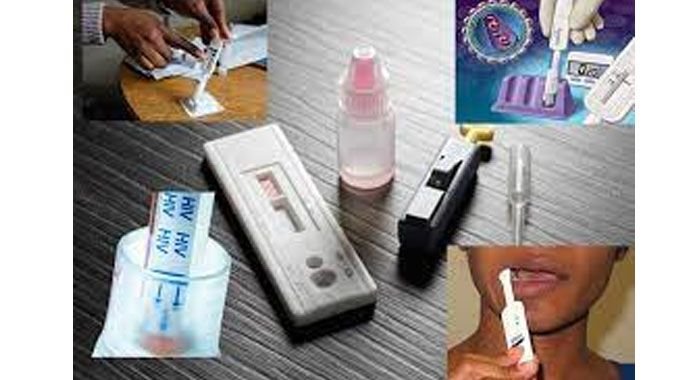


Thousands of Nigerian children are living with undiagnosed HIV as gaps in early testing and access to care persist across the country.
Health experts are raising concern over the slow pace of early infant diagnosis, which continues to leave many children untreated until the illness has advanced.
They note that limited access to testing services, especially in rural areas, is a major barrier, while shortages of diagnostic reagents disrupt routine screening.
Nigeria still carries a large share of the global burden of paediatric HIV.
Data from the National Data Repository show that children under 15 remain affected by new infections and late diagnosis.
As a result, many only begin treatment after symptoms appear, reducing the chances of effective management.
Experts say stigma and low awareness among caregivers continue to delay testing.
In many communities, parents avoid health facilities due to fear of discrimination, while others are unaware of the need for early testing during infancy.
This situation, they explain, contributes to missed opportunities for prevention and care.
They also point to system challenges within healthcare delivery.
Weak follow-up systems, limited trained personnel, and uneven distribution of testing centres make it difficult to reach children at risk.
In some cases, samples collected for testing are delayed due to poor laboratory networks.
In response, health professionals are calling for stronger prevention strategies.
They stress the need to expand routine testing for pregnant women, improve early infant diagnosis within the first weeks of life, and ensure timely access to antiretroviral therapy.
Community-based programmes, they add, can help close the gap by taking testing and counselling closer to families.
At the global level, funding initiatives continue to support HIV response efforts.
Programmes backed by international partners such as the Global Fund and PEPFAR have contributed to treatment coverage and prevention services.
However, experts warn that funding must be sustained and better targeted to address gaps affecting children.
They argue that without urgent action, Nigeria risks slowing progress in reducing paediatric HIV cases.
Strengthening health systems, increasing awareness, and ensuring consistent supply of testing materials remain key steps in improving outcomes for affected children.