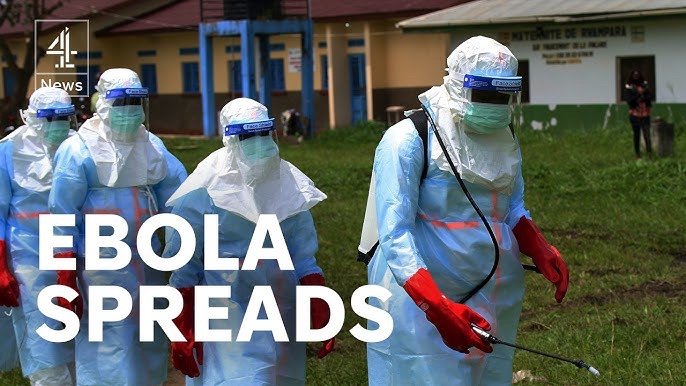


Health experts in Nigeria now advise everyone to avoid bushmeat as Ebola risks rise again in parts of Africa.
The move comes after fresh cases surfaced in the Democratic Republic of Congo, and officials want to block any spread across borders.
Doctors from major health groups stress that people who handle or consume wild animals like bats and monkeys face higher chances of contact with the virus.
These animals often carry Ebola without showing signs.
In communities where bushmeat serves as a common protein source, the habit continues despite past warnings.
“This virus spreads through direct contact with infected animals or people,” one doctor explained.
“We saw how quickly it moved during the 2014 outbreak in Nigeria.
Families lost loved ones then, and we do not want a repeat.”
Transitioning to prevention steps, experts recommend sticking to farm-raised meat from trusted sources.
They also urge thorough cooking of all meat and proper handwashing after handling food.
Health teams plan to increase checks at markets and borders in the coming weeks.
Nigerian authorities monitor travelers from affected areas closely.
So far, no cases appear in the country, yet officials say early action remains key.
Communities that rely on hunting now look for alternatives to keep food supplies steady without the risk.
Public health campaigns will roll out messages through radio, social media, and local leaders.
The goal stays simple: protect lives by changing one common practice.
Nigerians who follow the advice help shield their families and neighbors from potential harm.
The situation continues to develop, and health workers call on citizens to share accurate information in their areas.