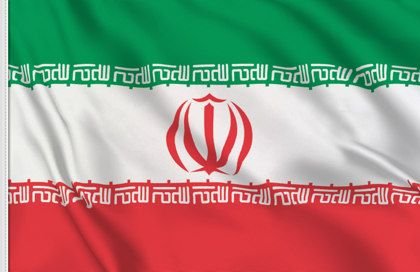

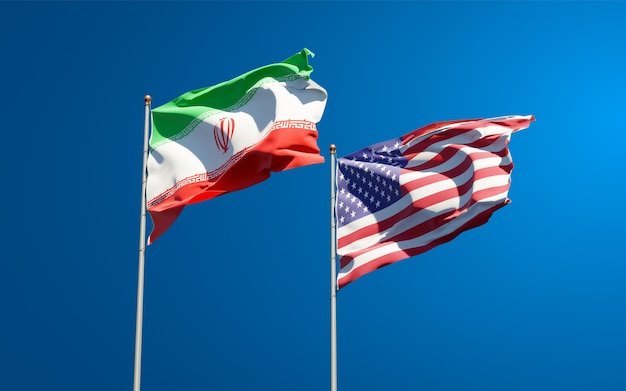

Iran has placed the Strait of Hormuz back under strict military oversight, just one day after officials said the waterway had reopened.
The move came on Saturday as Iran’s joint military command stated that control of the strait had returned to its earlier state.
Officials pointed to the continued US naval blockade of Iranian ports as the reason for the reversal.
The command said Iran would keep the restrictions in place until the United States allows full freedom of movement for vessels linked to Iran.
The Strait of Hormuz carries around one fifth of the world’s oil trade, so any change in access affects global energy supplies.
Reports from shipping monitors confirm that Iranian vessels opened fire on at least one tanker attempting to pass through the area on Saturday.
A second ship took damage from a projectile, while others turned back to avoid the situation.
The UK Maritime Trade Operations centre noted the incidents involving gunboats from Iran’s forces.
This development follows a brief period when Iran had allowed limited passage for oil tankers and commercial ships.
That step formed part of efforts to ease tensions during the ongoing conflict in the Middle East.
However, the US maintained its blockade, which prevents ships from calling at Iranian ports.
President Trump said conversations with Iran continue, but he gave no sign that the naval measures would end soon.
The latest restrictions have already disrupted tanker movements.
Shipping groups advise vessels to exercise caution in the region and to follow updated routes where possible.
Analysts note that renewed limits on the strait could push oil prices higher and create fresh challenges for energy markets worldwide.
Talks aimed at a lasting peace agreement remain under way, but Saturday’s events show how quickly the situation can shift.
Both sides continue to trade accusations over who bears responsibility for the breakdown in trust.
For now, the focus stays on the strait, where any further incidents could complicate attempts to restore stability.