

Terrorists took schoolgirls from a secondary school in Kebbi State last November.
Many of the girls later came back home, yet fresh incidents continue to raise concern across the country.
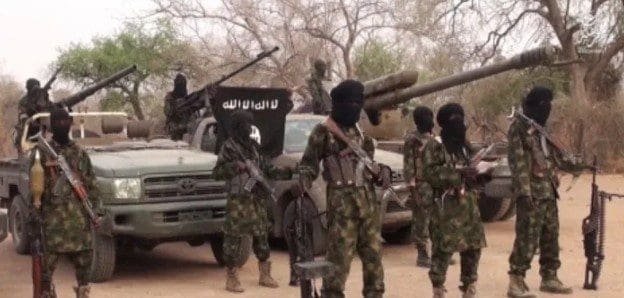
In the latest development, Boko Haram terrorists hold more than 400 women and children from Ngoshe in Borno State.
The group issued a 72-hour ultimatum to the Nigerian government and demanded around £2.7 million in ransom.
They warned that failure to pay could lead to serious consequences for the captives.
Netizens point to this situation alongside other recent events on major roads.
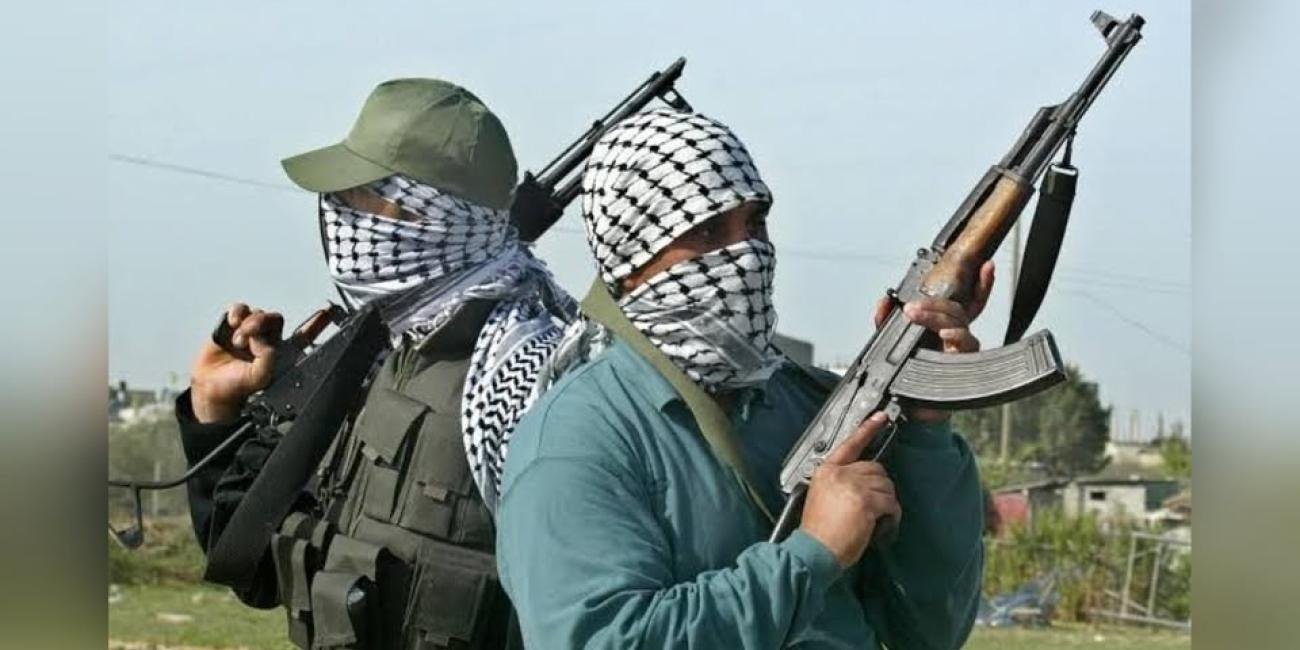
Travellers on the Ibadan-Ijebu expressway faced trouble on 18 April when armed men stopped vehicles, caused one death and took some people away.
A similar incident happened on the Benin-Ore road around the same time, where a bus driver lost his life and passengers went missing.
People on social media express frustration that these problems pile up without clear action from the top.
One post sums it up by linking the Kebbi school case, the highway troubles and the Boko Haram ransom demand, then notes the silence from government quarters.
Security sources confirm the road incidents led to loss of life and abductions, though exact numbers of those taken remain unclear.
For the Boko Haram case, the group released a video with the demand after earlier mediation talks did not progress as hoped.
Nigerians continue to call for stronger measures to protect schools and roads.
Families in affected areas wait for news of their loved ones, while the 72-hour window set by the terrorists adds pressure on authorities.
This pattern of events shows how insecurity affects daily life in different parts of the country, from northwest schools to southern highways and northeast villages.
Many hope for quicker responses to prevent further harm to ordinary citizens.
The situation remains fluid, with reports still coming in about efforts to locate those taken on the roads and to handle the ransom situation in the northeast.