
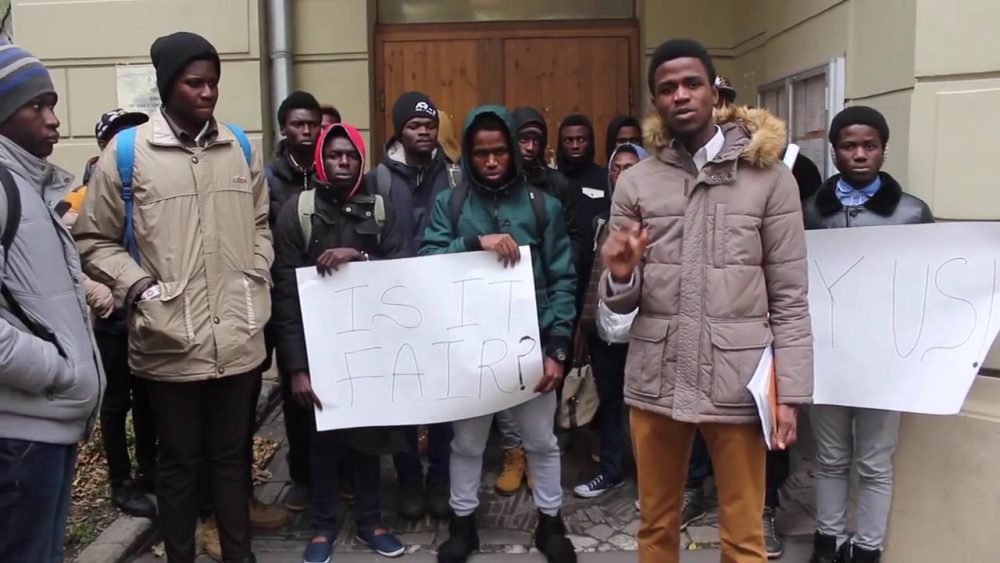

Nigerian students studying medicine and engineering in Russia have spoken out about the lack of support from the federal government under the Bilateral Education Agreement scholarship programme.
The students say they arrived in Russia with promises of monthly stipends to cover living costs while the Russian side handles tuition fees.
Yet many have received no payments since September 2024.
As a result, they now take up casual work on construction sites and other low-paying jobs to buy food and pay rent.
One group of students recorded a video message in which they describe how they left Nigeria to gain specialist skills and represent the country abroad.
Instead, they say they face daily struggles that affect their studies and health.
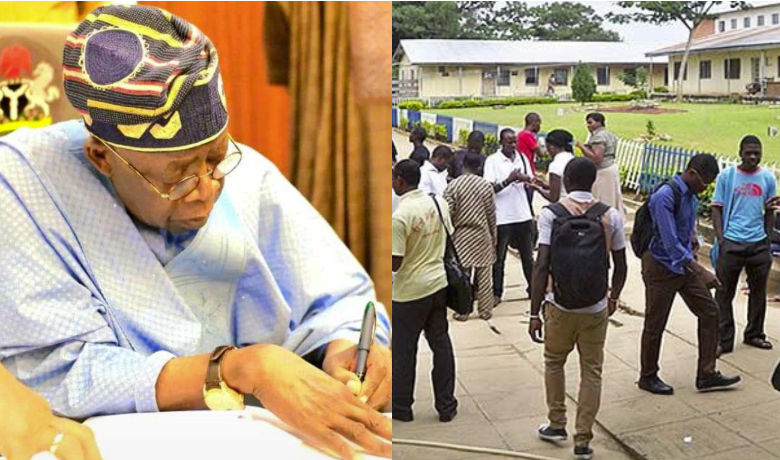
They have called on President Bola Tinubu to settle the arrears so they can continue their courses without further hardship.
The Bilateral Education Agreement dates back decades and allows Nigeria to send selected students to partner countries for training in fields such as medicine and engineering.
Under the deal, Nigeria covers living expenses while the host nation provides tuition.
Around 1,600 students across several countries received places in recent years.
Critics, including former Vice President Atiku Abubakar, say the programme has in effect ended without proper notice to those already enrolled.
Atiku noted that payments stopped or fell sharply in 2024 and remained unpaid through 2025, leaving students with large sums outstanding.
He described the situation as a failure to honour commitments made to young Nigerians sent abroad in good faith.
The federal government has replied that no valid scholarship student has been left without support.
Officials point to budget limits and say delays come from wider financial pressures.
They add that existing students can finish their programmes and have the option to return home if they choose.
The ministry has also confirmed that the scheme no longer accepts new applicants.
Parents and student groups have held protests in Nigeria to draw attention to the issue.
Some families report that their children go without basic needs while living far from home.
In one case last year, a student in Morocco did not survive the difficulties, though details remain limited.
This latest appeal from the students in Russia comes as similar accounts surface from other countries involved in the agreement.
The students say they want only to complete the education that the government once backed.
They hope their call reaches those in authority before the situation worsens.
The story highlights the tension between efforts to manage public spending and the need to support Nigerians already committed to studies overseas.
For now, the students continue their courses while they wait for answers and payments.