

Peter Obi demands an immediate independent investigation after arrested suspects claim government officials supply arms and logistics to bandits in a viral video.
Former Labour Party presidential candidate Peter Obi intensifies calls for accountability in Nigeria’s security crisis, insisting on a transparent probe into explosive allegations from captured suspects.
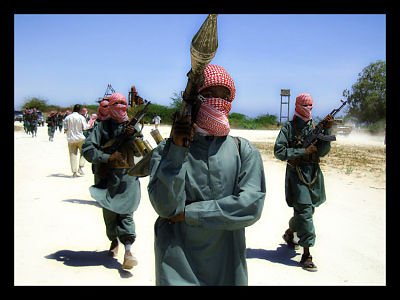
Obi reacts swiftly to a disturbing viral video that surfaced over the weekend. Nigerian Army personnel interrogate armed suspects caught with AK-47 rifles and a local government patrol vehicle.
One suspect, speaking in Hausa and Pidgin, directly claims officials provided the weapons and vehicle, alleging they operated under the guise of security patrols.
Authorities recover the vehicle – originally supplied by Ifelodun Local Government in Kwara State for vigilante support – in Auchi, Edo State.
Kwara State officials deny any arrests occurred within their borders and label circulating claims as misinformation, while praising the Army’s recovery efforts.
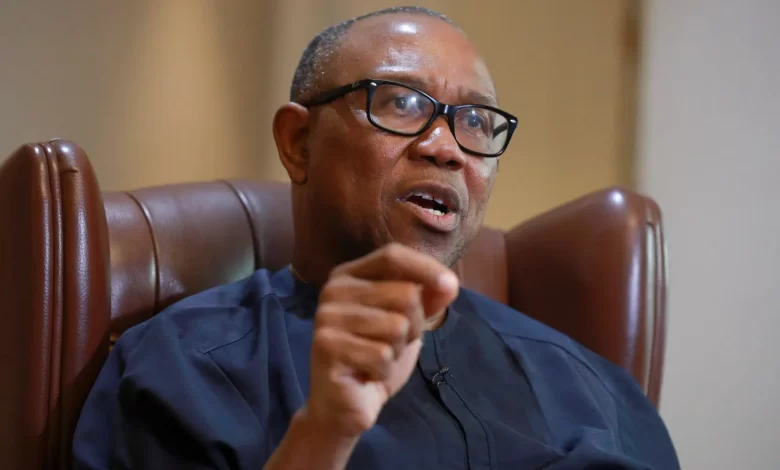
Obi labels the allegations “deeply troubling” and demands an “immediate, transparent, and independent investigation.”
He argues such claims explain why banditry, kidnapping, and terrorism persist despite trillions of naira and billions of dollars allocated to security over the years.
The former Anambra governor quotes late General Sani Abacha’s warning that prolonged insurgency signals insider involvement.
He also cites former President Olusegun Obasanjo’s frustration over unused advanced tracking tools, including drones and intelligence systems developed between 2010 and 2015.
“Nigeria controls telecommunications, financial trails, and surveillance infrastructure,” Obi stresses. “Yet crimes thrive brazenly.
This demands answers from those in power.”
Obi’s outspoken criticism stems from his longstanding commitment to vulnerable Nigerians.
Throughout 2025, he personally funds humanitarian projects nationwide, donating over ₦530 million – and tracking toward ₦1 billion – to schools, hospitals, nursing colleges, and communities.
He commissions boreholes in northern states like Sokoto and Kebbi to combat water scarcity, supports rehabilitation centers, and upgrades facilities in regions hit hardest by displacement and poverty caused by insecurity.
Supporters hail these efforts as genuine investments in human capital, not political stunts.
Critics question regional distribution, but Obi insists his philanthropy reflects a moral duty to lift the poor and educate the young – precisely those most endangered by unchecked banditry.
As Nigeria grapples with escalating violence, Obi’s dual focus – demanding probes into alleged complicity while aiding affected communities – underscores his vision for competent, compassionate leadership that prioritizes lives over excuses.
The federal government has yet to respond officially to Obi’s call for investigation.