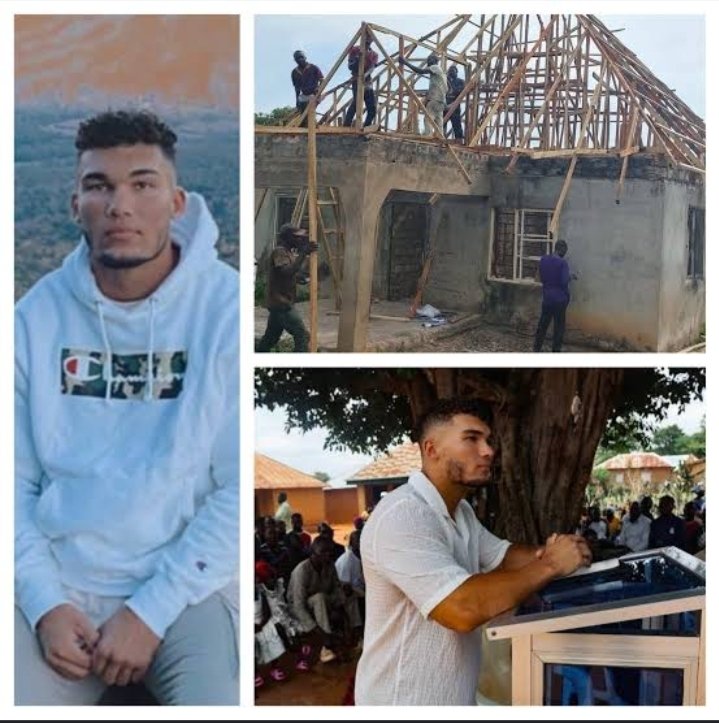


American missionary Alex Barbir recently commissioned 35 newly built homes for Christian survivors of last year’s brutal massacre in Yelewata, delivering tangible hope to families who endured months in squalid IDP camps.
Barbir, founder of the humanitarian organization Building Zion, personally oversaw the reconstruction effort after rejecting suggestions to hand funds directly to local government officials.
Survivors now return to secure shelters, marking a vital step toward normalcy in a community still scarred by violence.
The June 13-14, 2025, attack by suspected Fulani militants claimed between 100 and 200 lives—primarily Tiv Christians—including women, children, and displaced persons sheltered at a local mission and market square.
Attackers set homes ablaze, shot fleeing residents, and mutilated bodies during the hours-long assault, displacing over 3,000 people according to Amnesty International, Reuters, and local diocese reports.
Barbir partnered with U.S. entities, including support linked to Congressman Riley Moore, to fund and complete the project.
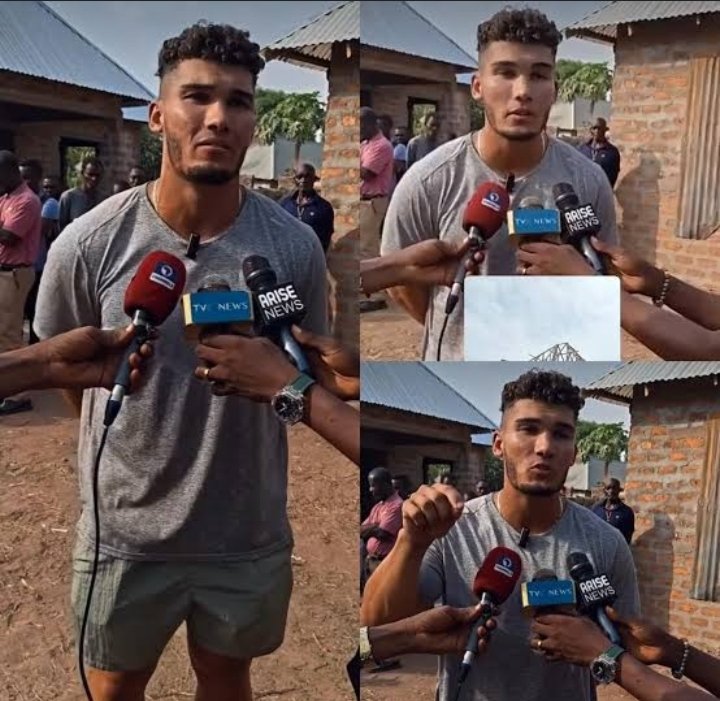
During the commissioning ceremony, he delivered a direct message to Nigerian authorities: the United States will hold them accountable if militants strike Yelewata again.
“After we have rebuilt this village, do not let anything happen to it,” Barbir declared, emphasizing protection for the vulnerable community.
Residents and online commentators express gratitude for the intervention while voicing deep frustration.
Many highlight unaccounted relief funds—reports mention billions of naira allocated post-attack that never reached victims—and criticize perceived government inaction or complicity.
Some replies dismiss the U.S. warning as “all talk,” urging action against alleged sponsors of the violence instead.
The homes stand as a beacon of international compassion amid Nigeria’s persistent farmer-herder clashes, which often carry ethnic and religious undertones in Benue State’s “breadbasket” region.
Barbir’s work restores not just structures, but dignity and security to people long neglected by local systems.