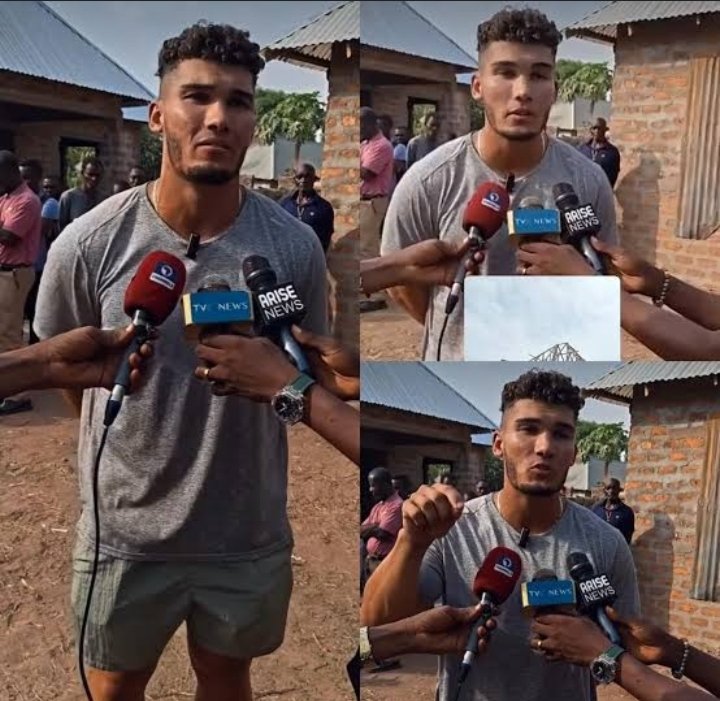

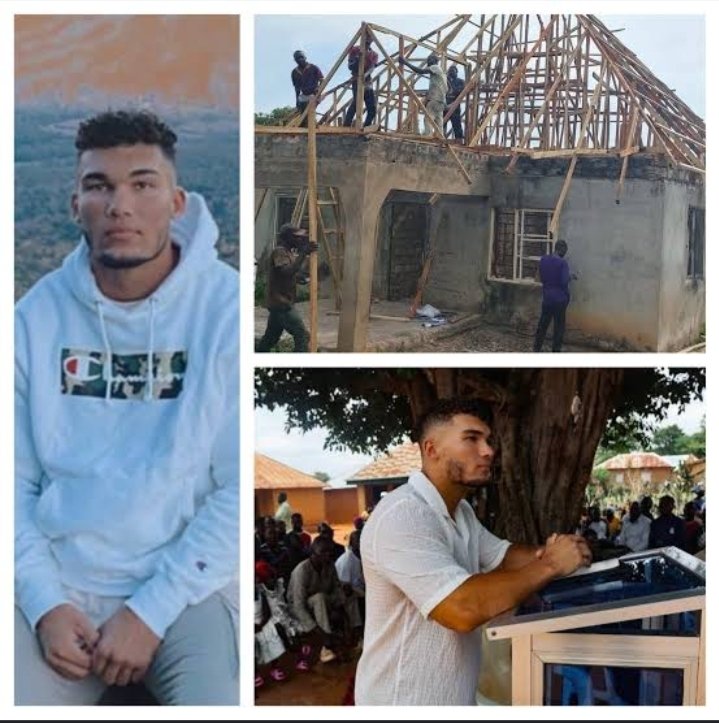

American missionary Alex Barbir rebuilt 35 homes for survivors of a brutal terrorist attack in Yelewata village, yet Benue State officials rejected his follow-up plan to construct a vital market for ₦50–60 million and instead pushed a ₦300 million version that he says invites misuse of funds.
Barbir, founder of the U.S.-based humanitarian group Building Zion, partnered with Equipping the Persecuted to deliver the houses, boreholes, a clinic, and other support.
He dedicated the homes on January 31, 2026, enabling more than 100 displaced families to leave IDP camps and return to stable lives after terrorists razed over 400 structures and killed over 200 people — many women and children — in coordinated overnight assaults on June 13–14, 2025.
Determined to restore the community’s economic heartbeat, Barbir approached the Ministry of Humanitarian Affairs and the Benue State Emergency Management Agency (BSEMA) with a transparent, low-cost proposal to rebuild Yelewata’s central market.
Farmers and traders depend on this hub to sell produce and rebuild livelihoods shattered by the violence.
Officials rejected his initiative outright.
They later countered with their own blueprint — for the identical project — at five times the cost: ₦300 million.
Barbir refused to proceed, citing clear risks that the inflated figure would divert massive sums away from the victims.
“I proposed to rebuild the market for ₦50–60 million with high-quality work,” Barbir stated publicly.
“They blocked it, then came back demanding ₦300 million. It makes no sense unless people plan to pocket the difference.”
The episode fuels widespread anger over how relief efforts unfold in Nigeria’s conflict zones.
Barbir has also accused authorities of mismanaging billions in prior aid meant for the same survivors, while he funded his projects directly through donors to ensure every naira reached those in need.
Barbir issued a stark warning to Nigerian leaders: protect Yelewata now that rebuilding has advanced, or face accountability — including from the U.S. government, which he says tracks his work and the ongoing threats.
No immediate response has come from the governor’s office or relevant agencies to the market controversy.
Meanwhile, sporadic farmer-herder violence continues across Benue, claiming fresh lives and underscoring the urgency of genuine recovery support.
Barbir’s hands-on intervention highlights a painful contrast: foreign volunteers step in to deliver tangible aid, while local systems — meant to serve citizens — appear to hinder progress at every turn.
For Yelewata’s resilient families, the rebuilt homes offer hope, but the stalled market leaves their path to full economic recovery blocked.