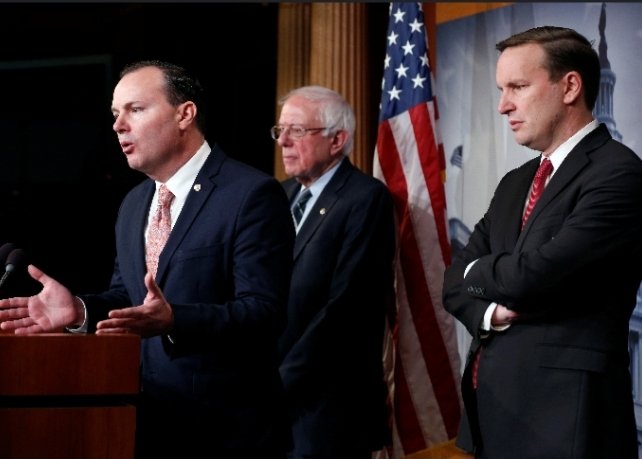


US lawmakers condemn the abduction of over 168 Christians in Kaduna, vowing intolerance for such atrocities.
Washington erupts in outrage as US lawmakers fiercely denounce the abduction of more than 168 Christian worshippers from three churches in Kaduna State, Nigeria, during Sunday services on January 18, 2026.
The US House Committee on Foreign Affairs leads the charge, declaring that Islamic terrorists raided the churches and kidnapped the innocents, and emphasizing President Trump’s stance against standing idly by.
“The United States will not tolerate the massacre of innocent Christians,” the committee asserts in a pointed statement on X, highlighting the urgent need for action amid escalating violence.
This response comes swiftly after bandits stormed the Evangelical Church Winning All, Deeper Life Bible Church, and Baptist Church in Kurmin Wali village, Kajuru Local Government Area, forcing victims—including women and children as young as six—into the surrounding bush.
Representative Riley Moore, a Republican from West Virginia, adds his voice to the condemnation, labeling the incident “horrific” and accusing armed Fulani militants of targeting vulnerable Christian communities.
Moore urges Nigerian authorities to bolster security measures and secure the immediate release of the captives, warning that such attacks threaten the very fabric of religious freedom in the region.
Meanwhile, President Trump signals potential escalation, with administration officials hinting at further US intervention against ISIS-linked groups if the targeting of Christians persists.
Transitioning to diplomatic efforts, US Under Secretary for Political Affairs Allison Hooker voices strong disapproval during a bilateral meeting in Abuja, pressing Nigeria to enhance protections for Christian groups and uphold their right to worship without fear.
This call aligns with broader concerns raised in a recent congressional hearing on Nigerian persecution, where lawmakers decry the relentless wave of killings, maimings, and abductions in states like Kaduna, Benue, and Plateau.
However, the incident exposes deeper frustrations with Nigeria’s initial response.
Police spokesperson Benjamin Hundeyin initially denies the mass kidnapping, citing a lack of evidence upon rapid deployment, only to confirm it later and deploy helicopters, tactical units, and patrols under Inspector General Kayode Egbetokun’s orders.
Governor Uba Sani visits affected families, promising medical aid and a permanent military base, yet critics from the Christian Association of Nigeria (CAN) lambast the government’s communication as insensitive amid ongoing banditry.
Furthermore, international advocates amplify the outcry.
International Christian Concern Shawn Wright urges global prayers and pushes for US-Nigerian collaboration to curb the violence, noting the Trump administration’s prior designation of Nigeria as a Country of Particular Concern for failing to protect Christians.
As nine to eleven victims escape captivity, families endure agonizing waits, underscoring the humanitarian crisis in Nigeria’s northwest, where kidnappings for ransom plague rural areas.
In conclusion, US lawmakers’ interventions spotlight the international ramifications of Nigeria’s security woes, potentially paving the way for enhanced bilateral cooperation to rescue the remaining captives and prevent future tragedies.