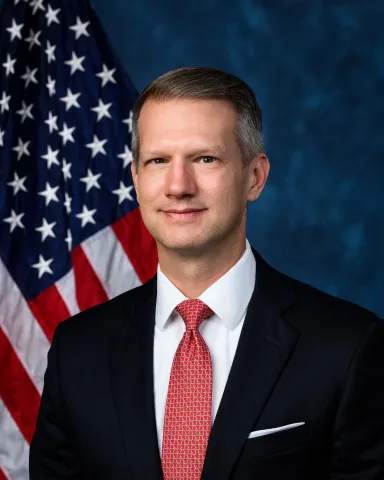

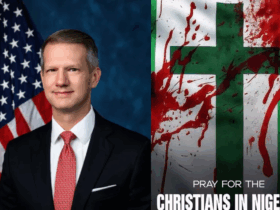

US Congressman Riley Moore warns future American aid to Nigeria depends on stronger protection for Christians amid rising terrorist attacks.
US Congressman Riley Moore has sharply criticised the Nigerian government over its failure to shield Christian communities from ongoing terrorist violence.
In a report he presented to the White House in February 2026, Moore makes it clear that increased US support hinges on real steps to stop the killings.
Moore, who leads efforts in Congress on this issue, describes Nigeria as the deadliest place in the world for Christians.
Groups such as Open Doors rank the country seventh on their 2026 World Watch List for extreme persecution, with thousands of believers killed in recent years.
The latest figures show over 3,400 Christians lost their lives to faith-related violence in the reporting period, far more than anywhere else.
The congressman points to repeated attacks by terrorists in northern and central regions.
These groups target villages, burn churches, abduct people, and force conversions in some cases.
Recent incidents, including a deadly strike in Adamawa where fighters reportedly killed dozens, keep fuelling outrage.
Moore pushes hard for accountability.
He co-introduced the Nigeria Religious Freedom and Accountability Act of 2026, which demands detailed reports on US actions and opens the door to tougher measures like sanctions on those involved in the violence.
The February report to the White House lists specific demands:
withhold certain funds until Nigeria acts decisively, impose visa bans on perpetrators, and boost security cooperation to dismantle terrorist networks.
Moore fumes that future American backing will depend directly on how seriously the Nigerian government takes the protection of its Christian citizens.
He frames the issue as a matter of basic religious freedom and human life, not just politics.
The Nigerian side argues that much of the violence stems from criminal activity, land disputes, and banditry rather than pure religious targeting.
Officials insist they deploy troops and launch operations to tackle insecurity across affected areas.
Yet critics, including Moore, say the response falls short, with low rates of arrests and prosecutions for those behind the attacks.
This standoff adds fresh tension to US-Nigeria ties at a time when Washington keeps Nigeria on its list of Countries of Particular Concern for religious freedom violations.
Moore and fellow lawmakers signal they stand ready to push harder if the situation does not improve soon.
For many Nigerian Christians living under constant threat, the call from across the Atlantic offers hope that global attention might finally force change on the ground.