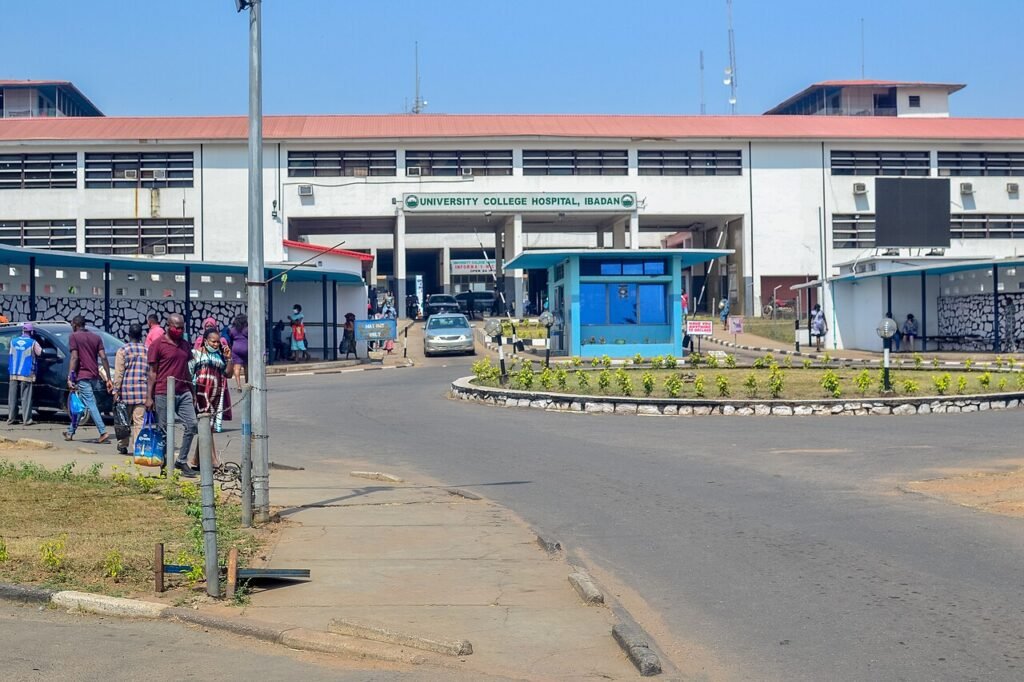

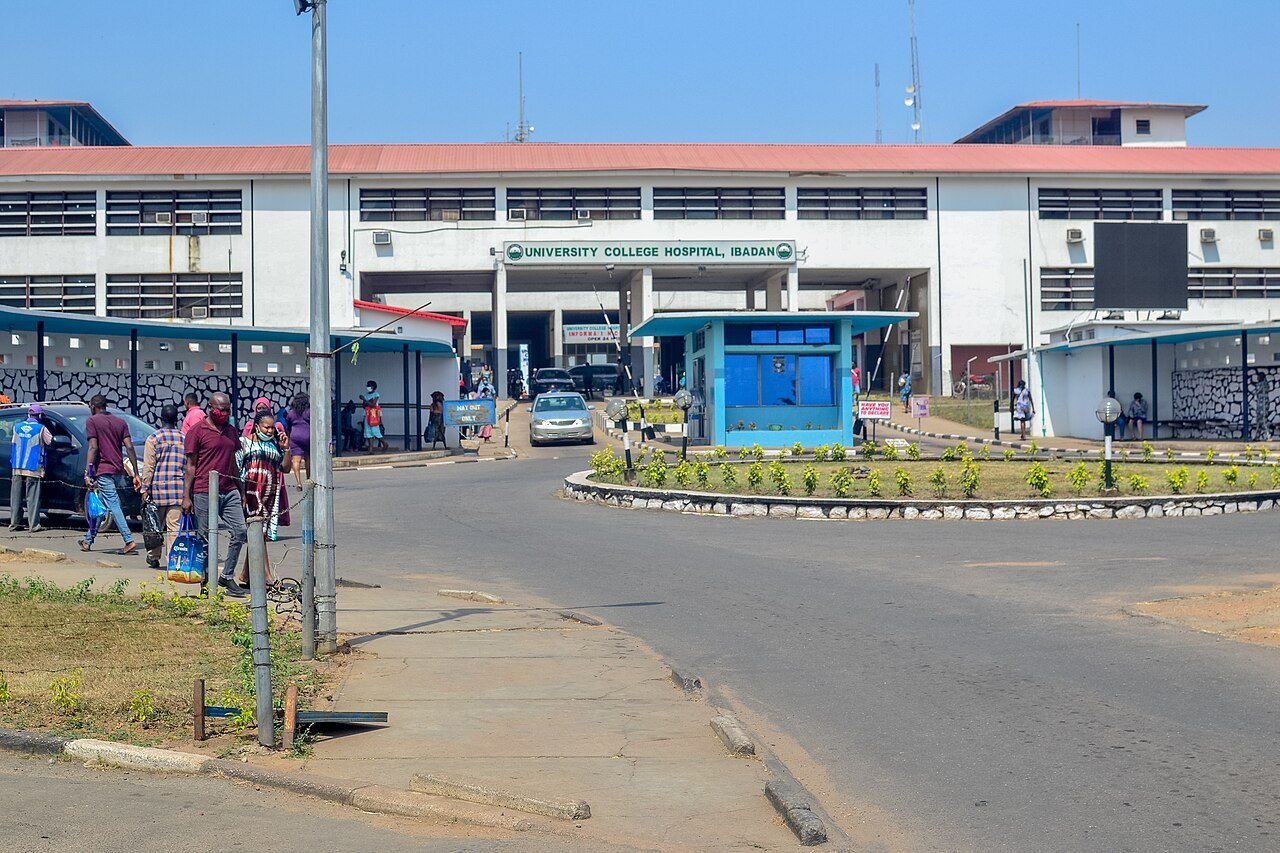

University College Hospital managers refuse to sign concession agreements for N2 billion upgrades, delaying vital nursing hostel and mortuary improvements.
Managers at Nigeria’s premier teaching hospital, University College Hospital (UCH) in Ibadan, block two major infrastructure projects more than a year after the Federal Executive Council (FEC) greenlit them in June 2024.
The initiatives include a N929.9 million renovation of the School of Nursing students’ hostel and a N1.106 billion refurbishment of the mortuary and pathology laboratory.
Private firm Olivegreen Advisory Partners Limited stands ready to finance, rehabilitate, operate, and transfer the facilities under public-private partnerships (PPPs).
Yet, UCH leaders demand renegotiations, even though the projects earned full regulatory nods from the Infrastructure Concession Regulatory Commission (ICRC), FEC approval, and legal clearance from the Federal Ministry of Justice by June 2025.
Consequently, nursing students endure substandard living conditions, while outdated mortuary facilities hinder proper body preservation, pathology services, and medical research.
Furthermore, these delays compound UCH’s ongoing struggles.
Earlier in 2025, the hospital suffered a prolonged power outage lasting over 100 days, forcing reliance on generators and disrupting critical care.
In contrast, the hospital recently benefited from diaspora generosity when Dr. Philip Ozuah donated funds for a new hostel block, highlighting external efforts to address accommodation shortages.
Meanwhile, a October 2025 meeting convened by the Coordinating Minister of Health and Social Welfare failed to resolve the impasse.
UCH officials repeated demands to rework the PPP framework from scratch, prompting frustration from the private partner.
Additionally, experts warn that such holdups erode confidence in Nigeria’s PPP model, established since 2005 to bridge a massive infrastructure gap exceeding $3 trillion.
As a result, thousands of patients, students, and staff at this flagship institution continue to face preventable hardships, underscoring deeper systemic challenges in public healthcare funding and management.