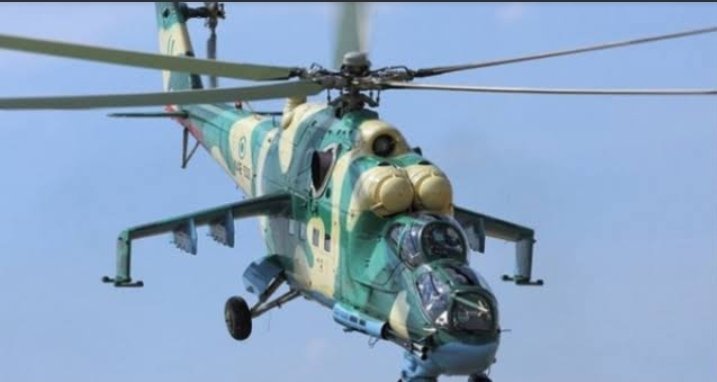

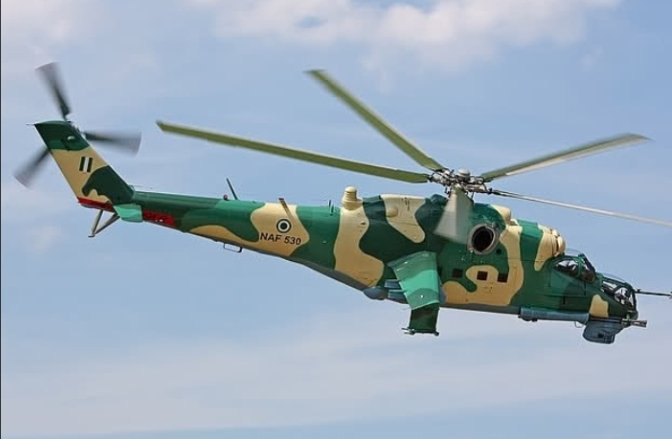

Gunfire from a low-flying helicopter ripped through Kurgi community on Monday, January 26, 2026, killing two civilians outright and wounding several others, including women and children who carried out everyday tasks in the rural settlement.
Eyewitnesses described a surveillance helicopter hovering overhead before it unleashed bursts of gunfire without warning.
Panic erupted as residents scattered for safety; many fled on foot to neighboring villages to escape the assault.
“People ran in every direction,” one local survivor recounted.
“We thought it was bandits at first, but the aircraft bore military markings.”
The attack struck during normal daytime activities—people fetched water, tended farms, and moved about their homes—turning an ordinary afternoon into chaos.
Medical responders rushed the injured to nearby facilities, where community volunteers helped stabilize victims amid limited resources.
No official confirmation or denial has emerged from the Nigerian Air Force or defense authorities as of late January 27.
Security agencies in the region often conduct aerial operations against bandit groups that terrorize farming communities in Mariga and surrounding areas.
Past incidents across Nigeria’s northwest and north-central zones have seen mistaken targeting lead to civilian deaths, fueling calls for stricter rules of engagement and better intelligence.
Residents of Kurgi now live in heightened fear.
Many hesitate to return to open fields or gather in groups, worried that routine life could again draw deadly fire from above.
Community leaders demand a full investigation and accountability to prevent further loss among already vulnerable populations caught between bandits and security forces.
This latest tragedy highlights the persistent human cost of the fight against armed groups in Niger State, where civilians bear the brunt when operations go wrong.