

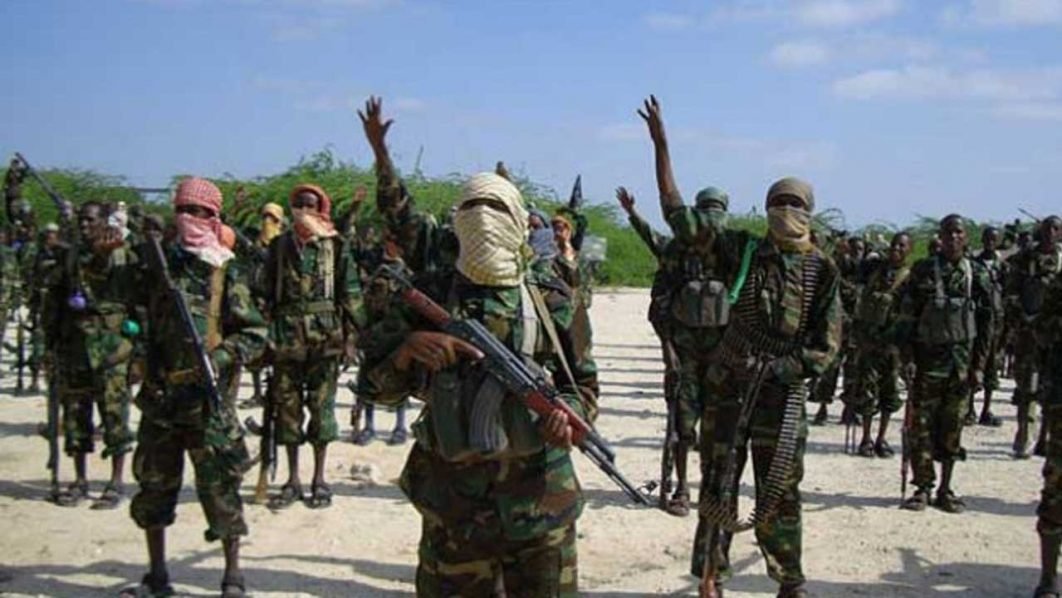

Terrorists raided a religious gathering in Katsina State, stealing phones and cash from worshippers.
Armed terrorists surrounded residents at a Maulud celebration in Yanshantuna community, Makera Ward, Dutsin-Ma Local Government Area, on Saturday evening.
They confiscated mobile phones and cash from attendees before looting a nearby phone-charging shop.
Fortunately, the assailants inflicted no injuries or fatalities during the assault.
Security expert Malam Bakatsine reported the incident, emphasizing how it exposed flaws in recent security measures.
Despite the chaos, residents expressed mounting frustration over their safety.
Bakatsine highlighted their concerns, stating, “Residents are now asking: what concrete monitoring and enforcement mechanisms are in place to ensure that this peace deal actually protects civilians on the ground?”
He added that without stronger oversight and visible patrols, terrorists could continue exploiting the area unchecked.
The raid unfolded mere days after authorities touted a peace agreement between local leaders and armed groups in Dutsin-Ma.
However, this incident casts serious doubt on the pact’s viability.
On January 2, the Katsina State Ministry of Justice issued a secret letter to the Chief Judge, requesting the release of 48 detained suspects accused of banditry-related crimes.
Signed by Director of Public Prosecutions Abdur-Rahman Umar, the document aimed to free these individuals—along with 22 others facing high court trials—as a precondition for sustaining the accord.
Additionally, the ministry invoked the Administration of Criminal Justice Monitoring Committee under state law to expedite the process.
Critics argue this approach prioritizes appeasement over justice, potentially emboldening terrorists.
Meanwhile, residents worry that freeing suspects without robust enforcement invites more violence.
This attack fits a troubling pattern in Katsina.
For instance, terrorists struck Unguwar Daudu in Funtua LGA on January 4, injuring two and abducting at least 20 others despite similar peace deals.
Similarly, on January 5, assailants targeted communities in Malumfashi LGA, killing and injuring several while kidnapping more residents.
Earlier, on New Year’s Day, terrorists killed three in another Katsina community, underscoring the persistent threat.
Nevertheless, security forces have scored some victories.
Troops recently engaged terrorists in Karaduwa village, Matazu LGA, killing three, arresting one, and recovering weapons and motorcycles.
Such operations offer hope, yet residents demand consistent action to curb the cycle of raids.
In the broader context, Katsina’s struggles reflect Nigeria’s ongoing battle against terrorism in the northwest.
As peace efforts falter, communities like Yanshantuna remain vulnerable, urging authorities to prioritize protection over negotiations that yield little results.