

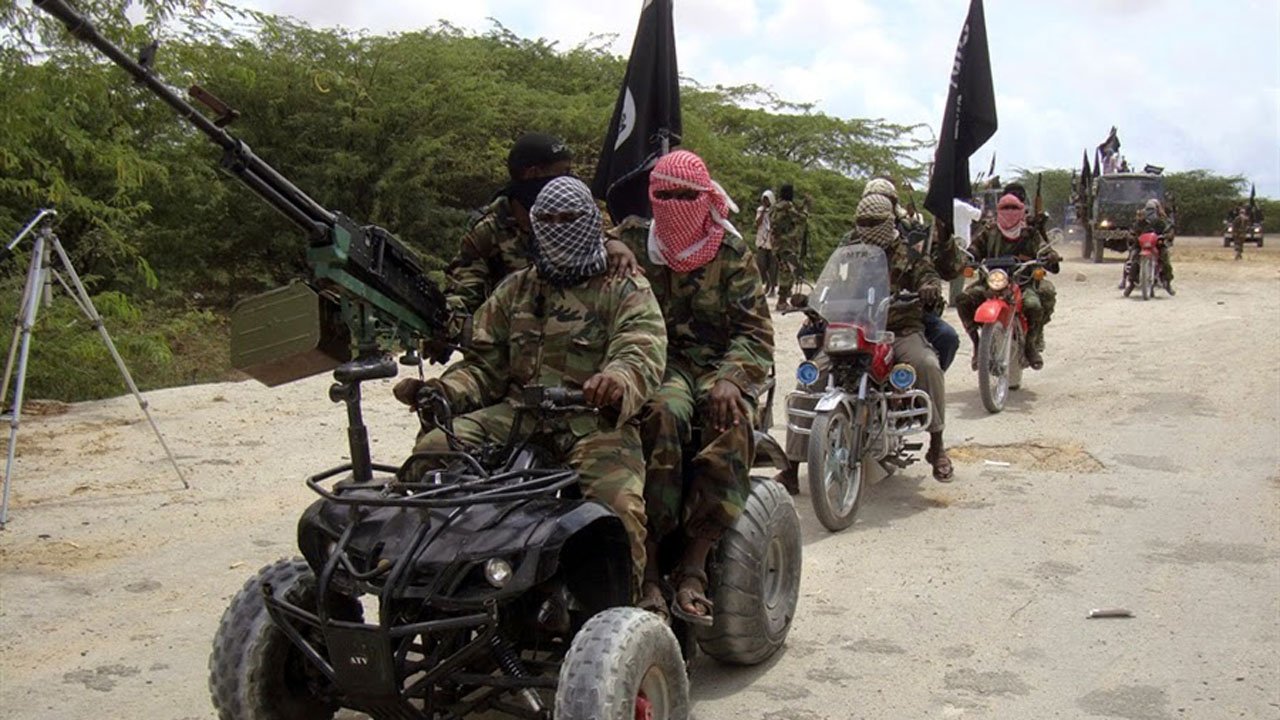

Terrorists invaded Tudun Bussa village in southern Kaduna, Nigeria, abducting Baptist pastor Daniel Bagama and his three daughters on January 18, 2026.
The brazen attack unfolded late at night around 11 p.m., when armed terrorists stormed the pastor’s home in Chikun Local Government Area, seizing the family and vanishing into the surrounding bush.
Local residents described the scene as chaotic, with gunfire echoing through the quiet village as the assailants executed their plan.
This incident quickly compounded fears in the region, especially since it occurred on the same day as a coordinated assault on nearby churches.
Indeed, earlier that Sunday, terrorists targeted three evangelical congregations in the Kurmin Wali community of Kajuru Local Government Area, abducting between 163 and 177 worshippers during services.
Eyewitnesses reported that the attackers burst into the churches, herding congregants—including women, children, and elders—into vehicles before fleeing.
Community leaders later released a partial list of the victims, highlighting the scale of the loss and the personal toll on families left in anguish.
However, initial confusion arose when Kaduna State Police Commissioner Muhammad Rabiu dismissed reports of the church abductions as “falsehoods,” claiming no evidence supported the claims.
Nevertheless, mounting pressure from church officials, locals, and international observers forced a reversal; police eventually confirmed the mass kidnapping, acknowledging the severity of the security breakdown.
This flip-flop drew sharp criticism, with groups like the Pentecostal Fellowship of Nigeria demanding swift rescues and better protection for vulnerable communities.
Moreover, the abductions fit a grim pattern in southern Kaduna, where terrorists have struck over 200 times since 2020, often exploiting ethnic and religious divides amid resource disputes and inadequate security measures.
Analysts point to underlying factors, including poverty, herder-farmer conflicts, and potential jihadist influences, that fuel these operations.
Open Doors, a global watchdog, ranks Nigeria as the sixth most dangerous country for Christians in 2025, underscoring the targeted nature of such violence.
In response, the U.S. government expressed outrage, urging Nigerian authorities to end the cycle of terror and secure the release of all captives.
As investigations continue, families cling to hope for reunions, while advocates call for stronger federal intervention to dismantle terrorist networks.
Yet, with no immediate arrests reported, the region braces for potential further strikes, emphasizing the urgent need for lasting peace in this troubled corner of Nigeria.