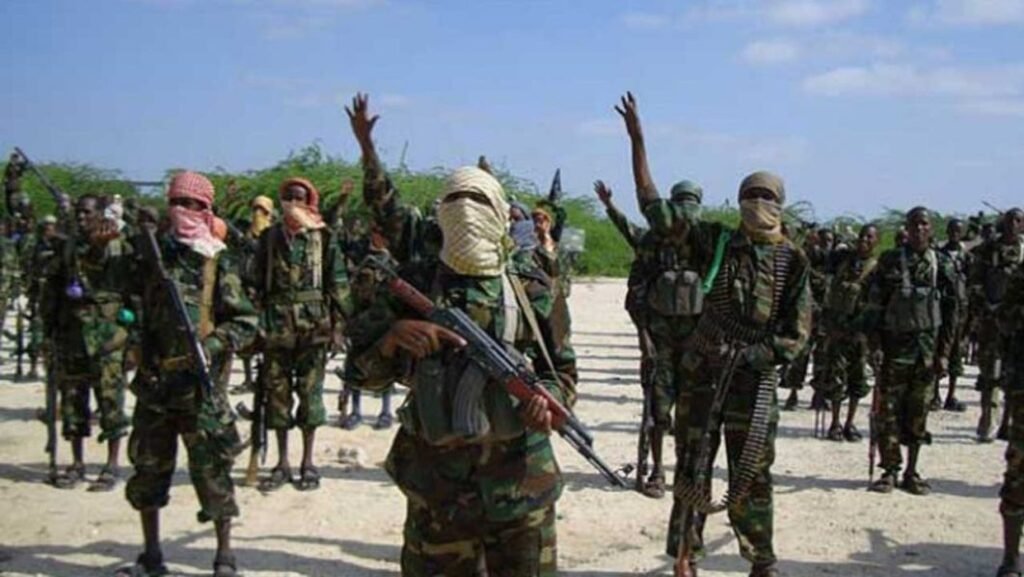



Armed terrorists stormed Tuge town in Musawa Local Government Area around 7 a.m. on January 17, 2026, firing shots indiscriminately and sending panicked residents fleeing into nearby bushes for safety.
Eyewitnesses described chaotic scenes as families and market traders scrambled to escape the sudden onslaught.
One resident recounted, “They just came and opened fire; there was panic everywhere as people fled into the bush.”
Security forces arrived after the terrorists withdrew, but not before two locals lost their lives and others sustained gunshot wounds requiring urgent medical treatment.
This brazen assault occurred mere days after the Katsina State government released 70 suspected terrorists from custody as part of a controversial peace accord aimed at reducing violence in the region.
The government defended the move, explaining that it facilitated the freedom of about 1,000 abducted individuals and likened it to wartime prisoner exchanges.
Commissioner for Internal Security and Home Affairs Nasir Muazu emphasized that the release consolidated agreements between affected communities and repentant terrorists across 15 local government areas.
However, the attack exposed the fragility of such deals.
Security analyst Bakatsine sharply criticized the arrangements, stating that the incident “has exposed the weakness of the peace arrangement in protecting rural communities” and demonstrated that “the terrorists still have the capacity to strike at will.”
He urged authorities to rethink their strategy and implement stronger protective measures.
Moreover, residents expressed deep doubts about the accords’ effectiveness, highlighting their continued vulnerability amid ongoing threats.
Critics went further, labeling the release as capitulation to criminals.
One commentary described it as “madness dressed up as policy,” arguing that rewarding terrorists undermines efforts to combat terrorism and disrespects the sacrifices of security personnel.
Northern groups and experts have echoed these sentiments, warning that such amnesties weaken security without addressing root causes.
In addition, the incident adds to a grim toll in Katsina, where over 1,500 civilians have died from terrorist activities in the past five years.
Despite military operations and repeated peace initiatives, violence persists in Nigeria’s northwest, where mobile terrorist groups exploit rural areas’ isolation to launch hit-and-run attacks.
As communities like Tuge mourn their losses, calls intensify for a more robust approach combining dialogue with enhanced security to prevent future tragedies.