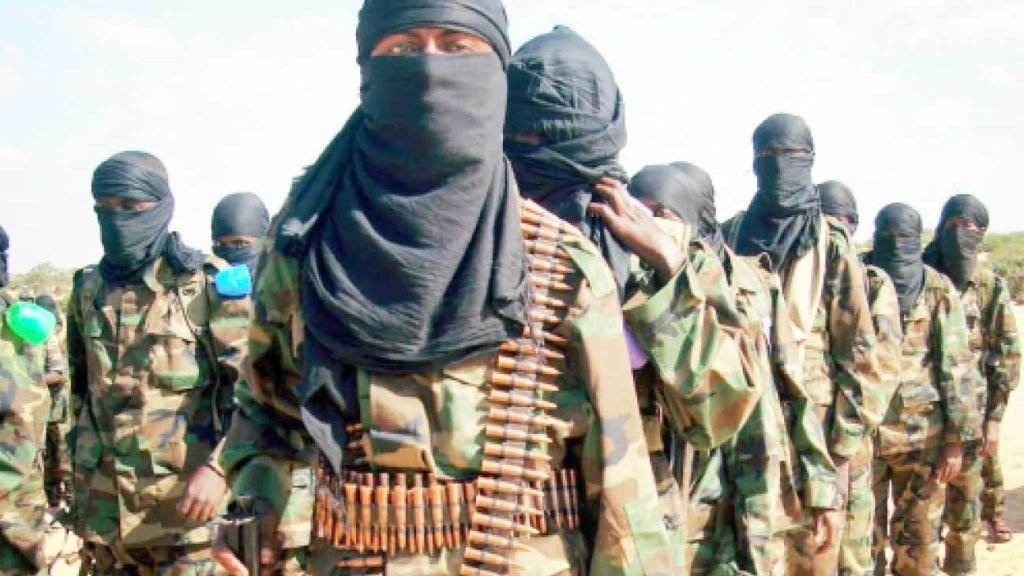



Terrorists in Kano and Katsina states demand ₦50,000 per acre from sugarcane farmers, enforcing a parallel government amid threats of violence.
Terrorists operating in northern Nigeria’s vast forests actively extort local farmers by imposing hefty levies, solidifying their grip on rural communities through a self-declared parallel administration.
These armed groups target sugarcane growers primarily, requiring payments before allowing harvests to proceed, while they threaten dire consequences for those who resist.
In Rugu Forest within Katsina’s Faskari Local Government Area and Falgore Forest in Kano’s Doguwa Local Government Area, terrorists collect these illegal taxes with impunity.
Farmers report that the groups demand up to ₦50,000 per acre, turning agricultural lands into zones of coercion.
Moreover, they extend their reach to maize producers, disrupting a critical food supply chain in the Kano-Katsina agricultural belt.
Terrorists intimidate non-compliant farmers relentlessly, destroying crops and launching violent attacks to enforce obedience.
As a result, many cultivators abandon their fields entirely, fearing for their lives and livelihoods.
This extortion scheme not only drains farmers’ resources but also heightens the risk of widespread food insecurity, as the affected areas supply essential crops like sugarcane and maize to major hubs such as Dawanau Market in Kano.
Furthermore, the terrorists operate brazenly close to established security outposts.
They conduct their activities within just five kilometers of military and police checkpoints along the Falgore road, highlighting a glaring gap in enforcement.
Residents describe how these groups enforce their own rules, collect levies, and control economic activities without facing significant pushback, effectively creating shadow governance structures.
Experts emphasize that such disruptions could spark broader crises.
For instance, ongoing interference in farming since similar issues emerged around 2019 has already displaced thousands and driven up food prices across northern Nigeria.
In addition, recent related incidents, including a terrorist attack in Kano’s Shanono Local Government Area that killed a soldier and a civilian while rustling cattle, underscore the escalating violence in the region.
However, federal and state authorities remain silent on the matter.
Despite urgent pleas from affected communities for intervention, neither Kano nor Katsina state governments nor national security agencies have issued statements or taken visible action to dismantle these operations.
Meanwhile, historical patterns of insecurity in the northwest reveal a deepening challenge.
Terrorists have exploited ungoverned spaces for years, evolving from sporadic raids to systematic control, as seen in past attempts at “peace deals” in Katsina that failed to curb levies and attacks.
Community leaders urge swift military operations to reclaim the forests and protect farmers.
Without decisive steps, the cycle of extortion and displacement will persist, threatening Nigeria’s agricultural backbone and exacerbating hunger risks for millions.