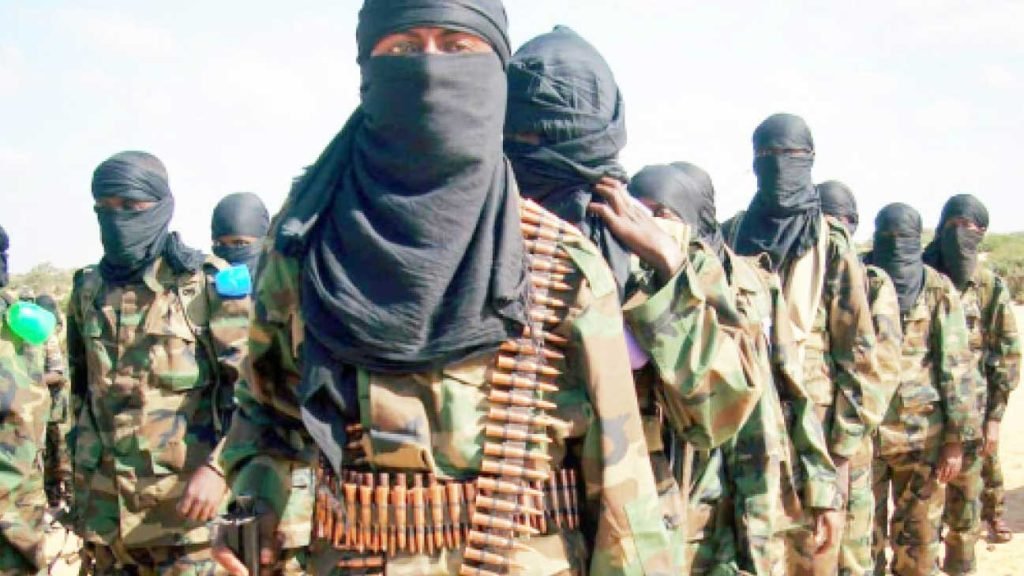



Terrorists stormed Unguwar Naino in Katsina State on New Year’s Day, killing three residents and wounding several others despite a recent accord.
Residents of Unguwar Naino community in Na’alma ward, Malumfashi Local Government Area, scrambled for safety as terrorists unleashed sporadic gunfire in the early morning hours of January 1, 2026.
The attackers targeted the rural village, leaving at least three people dead and multiple others injured in a brutal assault that shattered the fragile calm.
Local sources reported widespread panic, with families fleeing into the surrounding bush to escape the violence.
This raid came just hours after Governor Dikko Umaru Radda issued an optimistic New Year’s message, declaring that peace steadily returns to Katsina.
In his address, Radda praised the resilience of citizens and highlighted collaborative efforts with security agencies to curb insecurity in frontline areas.
However, the attack exposed glaring vulnerabilities, as terrorists exploited the absence of robust patrols to strike again.
The Katsina State Police Command stayed silent on the incident, offering no immediate response or details on arrests.
Meanwhile, social media commentator @DanKatsna50 voiced frustration online, questioning the viability of peace deals without visible security reinforcements.
“Can these agreements truly end banditry in northwest Nigeria?” he posted, echoing sentiments from villagers who had pinned hopes on the recent pact.
Despite the accord’s promises, terrorists ignored the terms and resumed their deadly operations, fueling doubts about its enforcement.
In addition, this violence follows a troubling pattern in Katsina, a hotspot for terrorist activities in Nigeria’s northwest.
Just weeks earlier, in November 2025, a terrorist leader confessed during peace talks that government policies drove many into crime, claiming authorities could end the crisis “anytime” but chose not to.
The leader blamed systemic failures for turning ordinary people into armed threats, a revelation that underscored deep-rooted grievances like economic disparity and neglect in rural regions.
Furthermore, December 2025 saw another deadly clash in Katsina when security operatives confronted suspected drug peddlers in Sabuwar Unguwa Quarters, resulting in three fatalities during a botched arrest.
Although unrelated to terrorism, the incident highlighted escalating tensions and the challenges law enforcement faces in maintaining order amid broader instability.
Experts point to broader failures in such negotiations.
A 2023 study in the Journal of Peace Research analyzed peace agreements with non-state armed groups and found they succeed only about 25% of the time without tackling underlying issues like poverty and inequality.
In Katsina, unresolved economic woes continue to fuel recruitment into terrorist ranks, making short-term deals ineffective.
As investigations unfold, residents demand stronger action from federal and state authorities to protect vulnerable communities.
With 2026 just beginning, this attack serves as a stark reminder that words alone cannot secure lasting peace—decisive measures must follow.