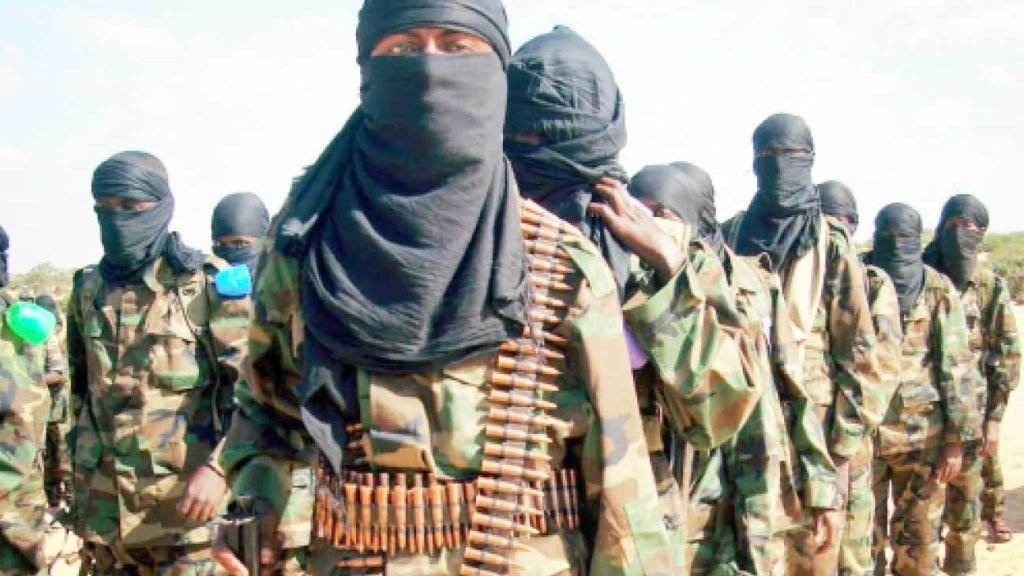

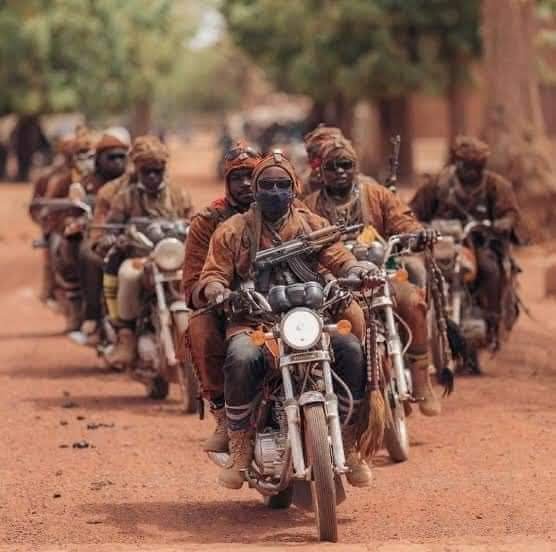

Terrorists stormed two villages in Katsina State’s Kankara area on January 24, 2026, killing four residents and abducting 12 others despite a recent peace deal.
Terrorists launched coordinated attacks on Dan Nakwabo and Madobai villages around 9 p.m., firing shots that sent families scrambling into the bush for safety.
In Dan Nakwabo, they targeted the home of local businessman Alhaji Dan Azimi and fatally shot two of his children—a man and a woman—before kidnapping two more residents.
Meanwhile, in neighboring Madobai, the assailants spared no lives but seized four villagers in a swift operation that lasted several minutes without resistance.
Residents buried the Dan Nakwabo victims the next morning according to Islamic rites, as grief gripped the communities.
One local described the chaos: “The terrorists emerged suddenly, spreading panic with their gunfire—we locked doors or fled, but they operated freely before vanishing into the forests.”
These strikes shattered the fragile calm promised by a peace accord signed in early January between state authorities and terrorist groups.
Under the deal, officials released 70 suspected terrorists from detention to secure the freedom of about 1,000 abductees and curb violence across 15 local government areas.
Commissioner for Internal Security Nasir Muazu hailed the move as a step toward lasting peace, noting it had already freed many captives.
However, critics argue the negotiations only embolden the attackers. Former Vice President Atiku Abubakar condemned the releases on social media, warning that freeing terrorists undermines security efforts.
Opposition figures echo this sentiment, demanding stronger military action instead of dialogue.
In addition, security expert Malam Bakatsine pointed out that the attacks highlight ongoing vulnerabilities in rural areas.
The raids form part of a broader resurgence of violence in Katsina.
Just days earlier, terrorists hit communities in Dandume, killing eight people and injuring 11 in midnight assaults on villages like Baraje and Kirijan.
In Kankara alone, recent incidents included an ambush on a wedding motorcade in Unguwar Nagunda, where attackers slain two farmers, wounded the bride, and kidnapped 10 guests.
Similarly, in Gidan Sarki, they abducted five couples from their homes.
Across the state, terrorists have struck Funtua, Faskari, and other areas, abducting farmers from fields and demanding ransoms up to N2.5 million per victim.
Residents like Ibrahim Hassan from Unguwar Nagunda lamented, “This resurgence heightens our fears—the peace deal feels like a mirage.”
In Faskari’s Unguwan Malam Musa, assailants whisked away six people, reducing initial ransom demands after community pleas but leaving families desperate.
Katsina has endured over 1,500 civilian deaths from terrorist activities in the past five years, displacing thousands and prompting mass flights from villages.
State media director Maiwada Dammallam blamed defiant leaders like Mani Doro for the uptick, insisting security forces pursue them relentlessly.
Yet, with police and officials often unreachable for comment, communities urge immediate government intervention to safeguard lives.
As attacks persist, residents call for urgent reinforcements and a shift from negotiations to decisive action.
Without it, they fear the cycle of terror will only intensify.