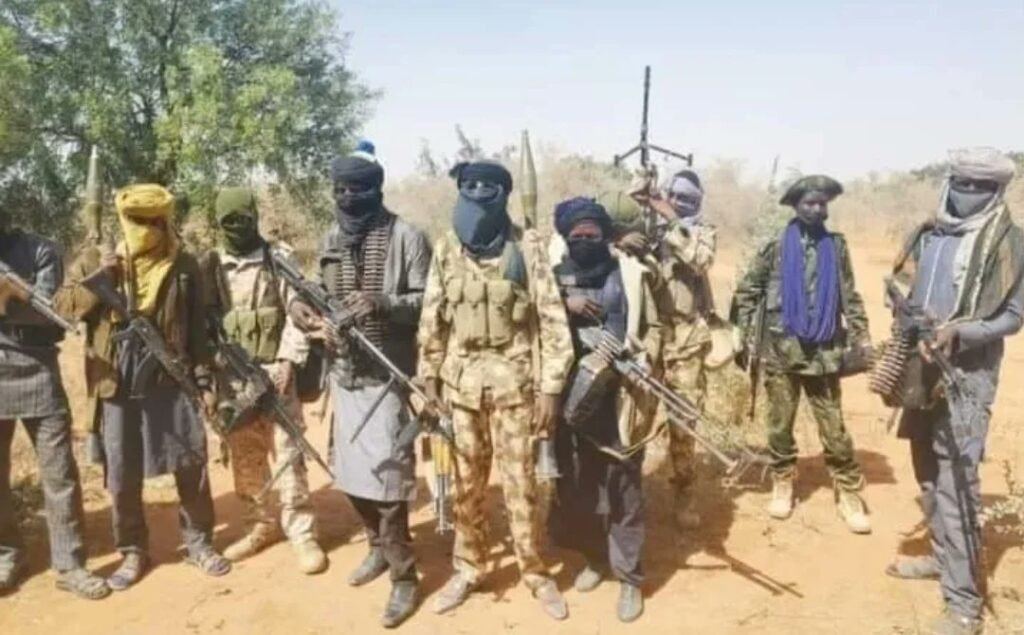

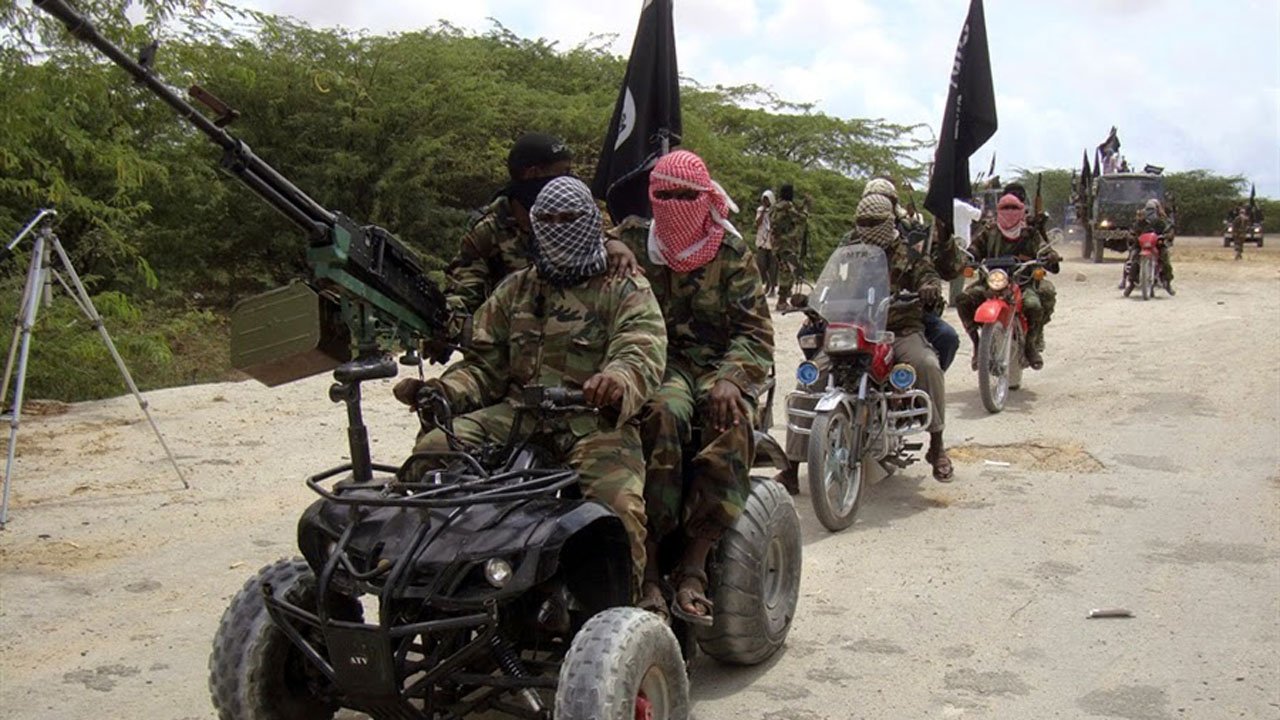

Terrorists unleash fear across Kwara North and parts of Kwara South, shutting down schools and blocking thousands of secondary students from registering for WAEC and NECO exams.
In the rural heartlands of Kwara State, terrorists have turned everyday life into a nightmare, compelling schools to close their doors amid relentless threats of attacks and kidnappings.
Residents in areas like Ara in Oyun Local Government Area and various communities in Ifelodun Local Government Area now face empty classrooms, as fears of armed groups hiding in nearby forests keep students and teachers away.
This chaos has directly derailed the critical process of online registrations and biometric capturing for the West African Senior School Certificate Examination (WASSCE) and the upcoming National Examination Council (NECO) tests, putting the futures of countless young people in jeopardy.
As the crisis unfolds, parents and community members voice their anguish over the stalled education system.
One Ara resident explained how the shutdown hit just as students prepared for biometric sessions:
“The students were about to start biometric capturing when the schools were suddenly shut.
Now students don’t even know what will happen next.”
Teachers, too, hesitate to return, prioritizing their safety over reopening orders from the state government.
Another local added, “We are living in fear every day.
People are afraid to move around freely, and children cannot go to school. Education has completely stopped here.”
The Kwara State government has directed schools to resume operations, yet this mandate arrives without bolstered security measures or alternative plans for vulnerable students.
Security forces make sporadic visits, but no permanent patrols guard these at-risk zones, leaving communities feeling abandoned.
Frustrated parents highlight the inequality this breeds:
Wealthier families whisk their children to safer urban centers like Ilorin to complete registrations, while poorer households watch helplessly as opportunities slip away.
“Our children were asked to come for thumbprinting and biometric capturing, but because of insecurity and the school closure, they couldn’t go.
Now their future is uncertain,” shared one parent.
This wave of terror echoes broader insecurity plaguing Nigeria’s North-Central region, where terrorists exploit remote areas to launch ambushes and abductions.
In Kwara, the situation has escalated recently, with reports of threat letters circulating in southern communities, prompting mass relocations even before the school disruptions.
Meanwhile, attempts to contact Kwara State’s Commissioner of Education, Lawal Olohungbebe, for insights on solutions yielded no response, amplifying concerns about leadership’s commitment to resolving the crisis.
Public outcry grows louder on social media and in local discussions, with many drawing parallels to similar issues in other states.
Residents decry the government’s focus on politics over protection, noting that while officials prepare for elections, families flee their homes.
As one observer put it, the promised “renewed hope” feels like a distant dream amid these failures.
Without swift intervention—such as deploying dedicated security teams or offering remote registration options—these students may lose an entire academic year, deepening the divide between Nigeria’s urban safety nets and rural vulnerabilities.