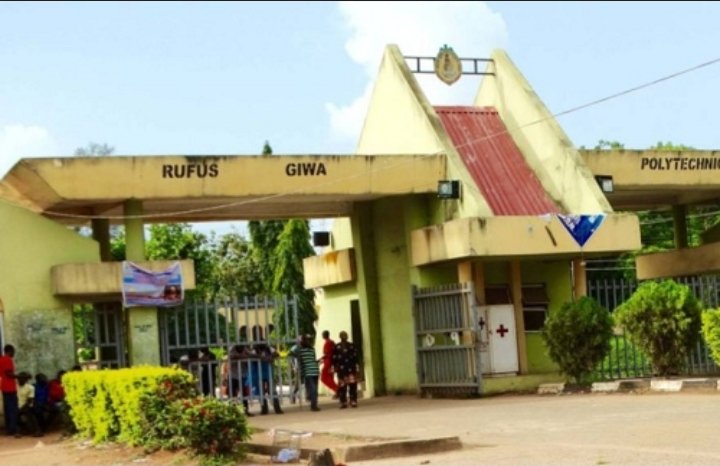

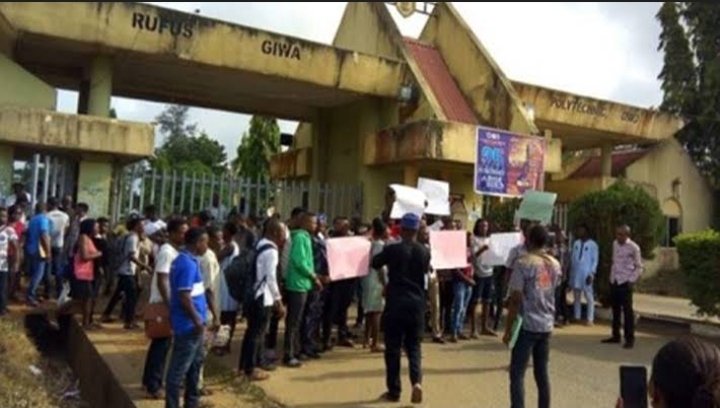

Frustrated staff at Rufus Giwa Polytechnic barricaded the institution’s main gate this week and launched sustained protests to force the Ondo State Government to implement the national minimum wage of ₦73,000 and clear three months of salary arrears.
Members of the Senior Staff Association of Nigeria Polytechnics (SSANIP) and the Academic Staff Union of Polytechnics (ASUP) united in the action.
They accuse Governor Lucky Aiyedatiwa’s administration of deliberately excluding polytechnic employees from the new wage structure that President Bola Tinubu signed into law in 2024.
While civil servants and workers in other state agencies began receiving the enhanced pay from October 2024 onward, polytechnic staff remain trapped on the obsolete ₦18,000 minimum wage that dates back before 2019.
“We are living from hand to mouth,” one staff member declared in a widely shared petition cited by Sahara Reporters.
Workers describe severe hardship: families struggle to afford food, rent, medical care, and school fees amid Nigeria’s persistent inflation.
The protesters further allege that the state owes them salaries for October, November, and December 2025.
Governor Aiyedatiwa reportedly promised to settle these arrears during the institution’s combined convocation on October 25, 2025, yet no payments have materialized.
The unrest escalated rapidly. Last week, non-teaching staff staged a five-day peaceful demonstration, blocking access roads and halting movements into the campus.
Academic activities ground to a complete halt when ASUP resumed its earlier suspended strike on February 19, 2026.
Protesters chanted solidarity songs, waved placards, and vowed to continue demonstrations starting February 23 unless authorities address their demands.
SSANIP chapter chairman Saka-Olokungboye Nurudeen condemned the disparity as unfair and unsustainable.
“While other workers in the state enjoy the new minimum wage, our members are still trapped on ₦18,000,” he stated.
Union leaders emphasize that polytechnic staff appear to be the only government employees in Nigeria still receiving this outdated rate.
The crisis highlights chronic underfunding at the state-owned institution.
Reports indicate no capital grants for over a decade, stalled promotions since 2023, and dilapidated infrastructure.
These long-standing issues compound the immediate wage grievances and fuel broader discontent among educators and support staff.
As lectures remain suspended and administrative offices stay shuttered, students face disrupted semesters and uncertain academic calendars.
Public sentiment on social media echoes anger and calls for urgent intervention, with many Nigerians questioning why tertiary institution workers face exclusion from wage reforms that benefit other public servants.
The Ondo State Government has not issued an official response to the latest protests as of February 21, 2026.
Workers insist they will sustain pressure until the state honors both the national minimum wage law and its own promises on arrears.