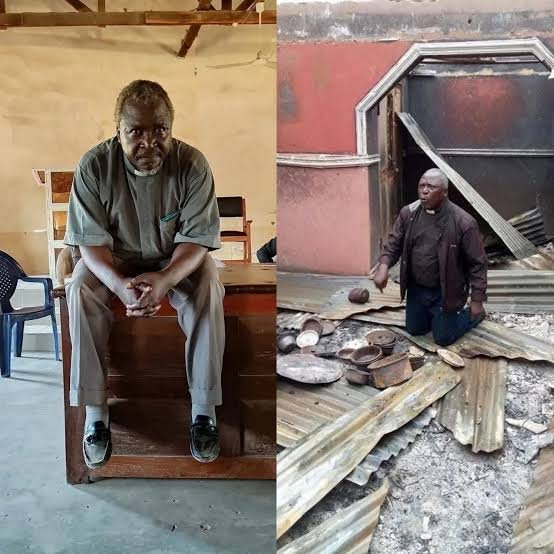

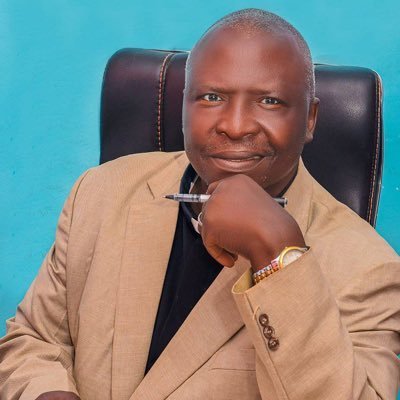

Rev. Ezekiel Dachomo accuses northern institutions of blocking his qualified children’s admissions due to his outspoken criticism of Christian genocide.
Rev. Ezekiel Dachomo, a prominent Christian leader in Nigeria’s volatile Middle Belt, directly accuses university officials in northern Nigeria of denying admission to his children as punishment for his relentless exposure of alleged persecution against Christians.
The regional chairman of the Church of Christ in Nations (COCIN) in Barkin Ladi Local Government Area issued a stark statement on Friday, declaring that admission officers spot the surname “Dachomo” during screening and deliberately discard the applications.
“My children meet every requirement, yet they face repeated rejections, especially in the North,” Dachomo stated.
“This pattern repeats because of my stance in exposing Christian genocide. Once they see the name Dachomo, they set the file aside.”
Moreover, the cleric highlights the profound emotional toll on his family.
His children, he emphasizes, play no role in his activism yet suffer the consequences.
“This treatment inflicts deep pain on innocent young people who simply want an education,” he added.
Dachomo’s accusations build on his long-standing campaign against violence targeting Christian communities in Plateau State and beyond.
He has presided over dozens of mass burials, documented attacks, and appealed internationally for intervention, even vowing to present evidence to U.S. President Donald Trump.
However, authorities have not responded to the claims.
No university or education ministry official has commented publicly, and independent verification of specific admission denials remains unavailable.
Meanwhile, Nigeria continues to rank high on global lists of Christian persecution.
Open Doors International places the country seventh on its 2025 World Watch List, citing extreme violence against believers.
As tensions simmer in the region, Dachomo calls on leaders to protect educational access.
“Do not punish my children for my voice,” he urges.
“They deserve fairness, not retaliation.”