
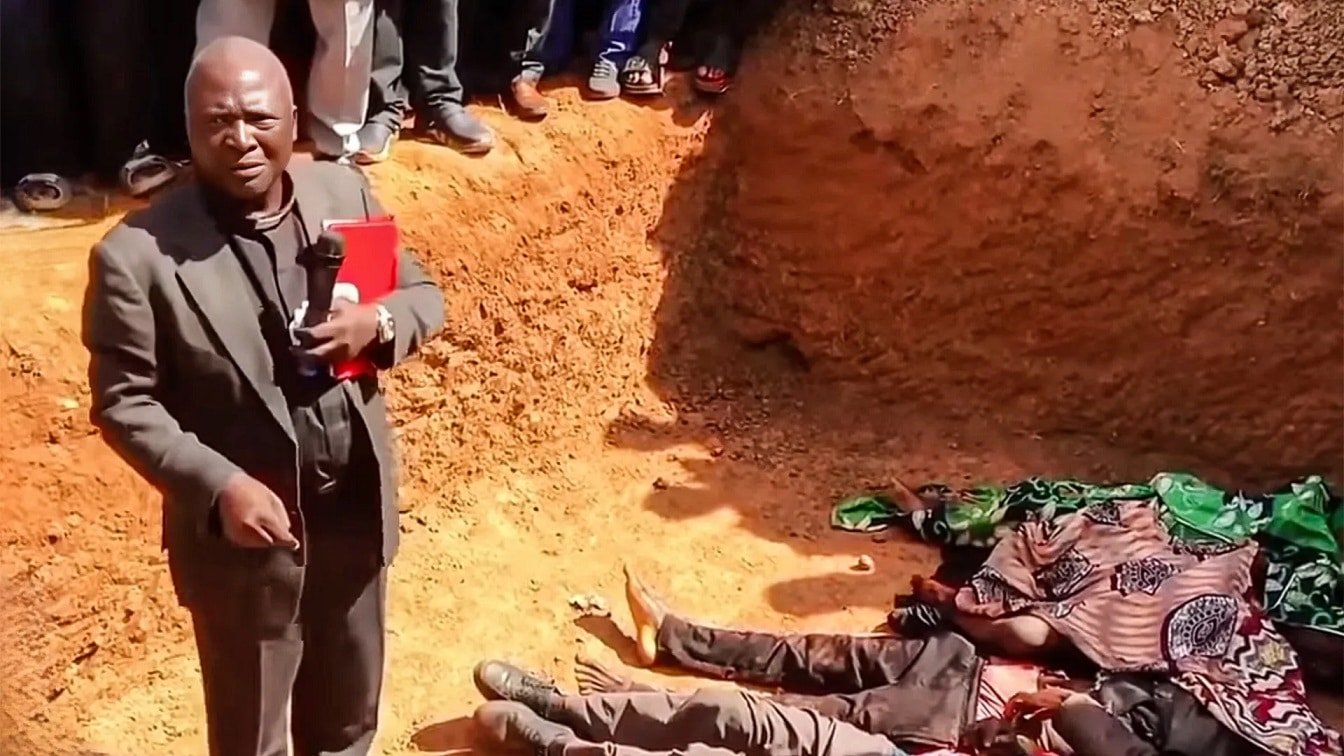

Rev. Ezekiel Dachomo buried 16 Christians slain by suspected Islamist terrorists in Barkin Ladi, accusing Nigeria’s government of enabling genocide.
Dachomo, a prominent Plateau State pastor, presided over the heartbreaking ceremony on December 20, 2025, in the Ratoso Fan District.
He sharply criticized officials for downplaying the violence and dispatching representatives abroad to dismiss it as nonexistent.
Mourners gathered amid opened caskets to counter claims by terrorist sympathizers like Sheikh Ahmad Gumi, who alleged victims bury empty coffins to stir sympathy.
However, videos from the event revealed the grim reality: bodies of men, women, and children massacred on December 16 while working at a local mining site.
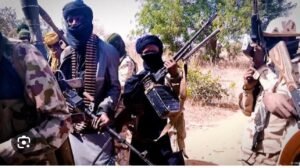
Eyewitness accounts detailed the attack in Atoso village, where armed Fulani militants struck under cover of night, killing at least 12 miners initially reported, with the toll rising to 16 as more victims succumbed.
Dachomo, in a fiery address, declared, “The Nigerian government has already handed us over to terrorists,” emphasizing how denial fuels the bloodshed.
Meanwhile, similar assaults unfolded nearby; as the burial proceeded, gunmen targeted another village, sparking panic among attendees.
This incident fits a broader pattern of escalating violence against Christians in Nigeria’s Middle Belt.
Advocacy groups like Amnesty International documented thousands killed in 2025 from unchecked armed attacks in states including Plateau, Benue, and Kaduna.
Additionally, U.S. officials, including Senator Ted Cruz, have spotlighted the crisis, introducing legislation to sanction Nigerian leaders for allegedly facilitating jihadist violence.
Yet, the Nigerian government rejects genocide claims, insisting conflicts stem from herder-farmer disputes, banditry, and resource scarcity rather than religious targeting.
Officials argue that both Christians and Muslims suffer, with security forces—comprising diverse faiths—struggling against multifaceted threats.
Nevertheless, survivors and activists demand action.
“These are humans with dreams; their only crime was their Christian faith,” one mourner posted online, echoing widespread calls to defend vulnerable communities.
As Christmas approaches, fears mount of further massacres, with experts warning of over 1,000 potential deaths if patterns hold.
In response, international bodies urge Nigeria to prosecute perpetrators and bolster protection, while locals plead for an end to the cycle of grief.