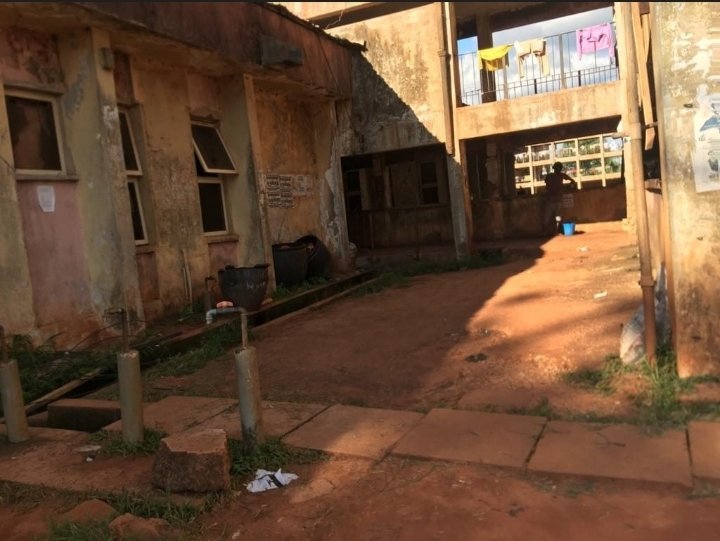

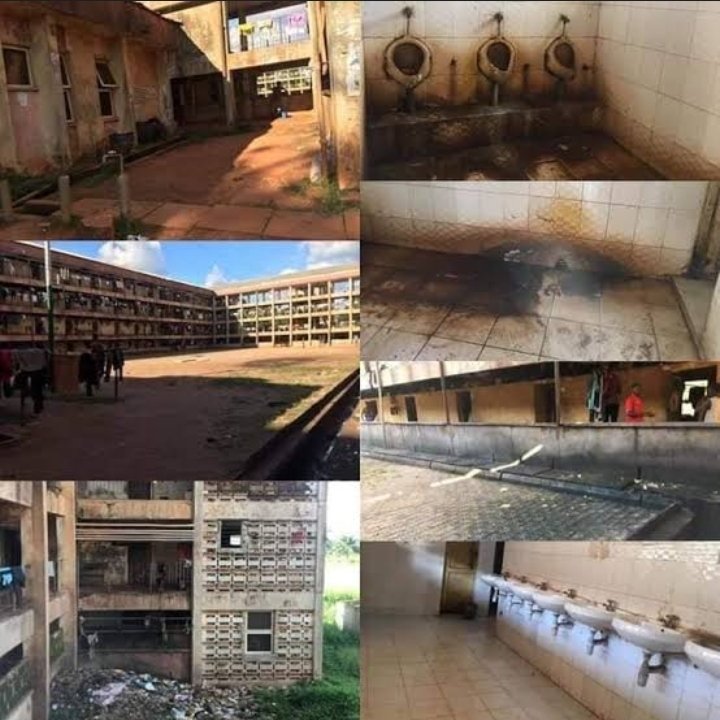

Postgraduate students at the University of Nigeria, Nsukka, endure homelessness and health risks after administrators locked hostels for unstarted renovations.
Dozens of postgraduate students scramble for shelter every night, resorting to abandoned buildings and open fields at the University of Nigeria, Nsukka (UNN), where officials shuttered hostels in November 2025 for renovations that never began.
These scholars, including newcomers from distant regions, face this ordeal while juggling demanding academic schedules, including lectures, exams and thesis defenses.
One anonymous student detailed the chaos in a letter shared by journalist Oseni Rufai: administrators closed the hostels citing urgent repairs, yet months later, no contractors, equipment or progress appears on site.
“We wake up before dawn to bathe outdoors and use bushes for relief, avoiding prying eyes,” the student revealed, highlighting the dehumanizing conditions.
Meanwhile, off-campus options exacerbate the strain. Landlords exploit the desperation by inflating rents two to three times above normal rates, forcing students into overcrowded rooms with poor ventilation and unreliable water.
Some cram into departmental offices or churches for temporary reprieve, but this constant instability erodes their focus and well-being.
“We battle daily survival instead of concentrating on research,” another student lamented.
The university’s silence amplifies the frustration.
Despite repeated student inquiries, administrators offer no updates, timelines or alternative housing.
This lack of communication leaves hundreds, including international arrivals expecting campus accommodations, in limbo.
Health hazards mount from poor sanitation and exposure, while insecurity and psychological stress hinder academic performance.
However, earlier announcements painted a different picture.
In November 2025, under new leadership from Acting Vice-Chancellor Prof. Samuel Ortuanya, UNN touted major reforms, including ongoing hostel renovations and plans for three new blocks funded by TETFund for nursing and pharmacy students.
Yet students report no visible action on postgraduate facilities, raising questions about fund allocation and execution.
Additionally, this crisis echoes broader issues in Nigerian higher education.
Similar complaints surfaced in older reports of decaying UNN infrastructure, where windstorms damaged roofs without swift fixes.
Nationwide, institutions grapple with accommodation shortages, as seen in recent fee hike disputes at UNN, where officials froze increases for the 2025/2026 session amid student pushback.
Students now demand urgent intervention. They urge UNN leaders to reopen hostels, start repairs or provide temporary options immediately.
Furthermore, they call on the Federal Ministry of Education to probe the delay and safeguard student welfare.
“We seek basic shelter, not luxury, while meeting every academic deadline,” the anonymous student emphasized.
As of February 11, 2026, UNN has issued no official response to these allegations, despite the story breaking via Sahara Reporters and social media.
With academic activities unrelenting, these postgraduate scholars persist amid uncertainty, their pleas underscoring a urgent humanitarian gap in one of Nigeria’s premier universities.