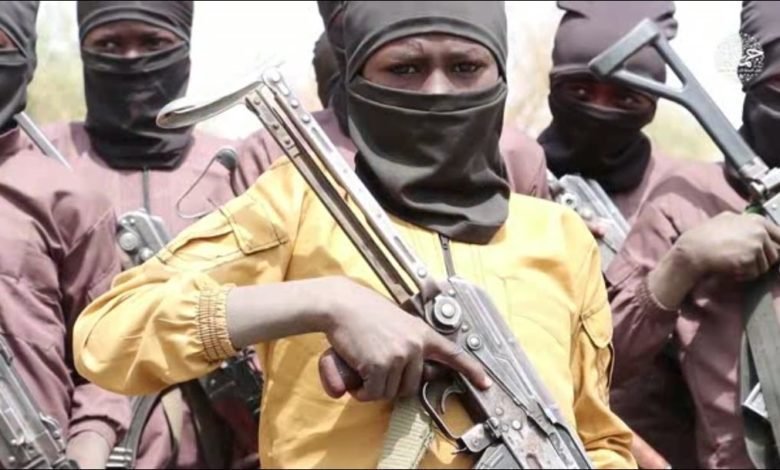

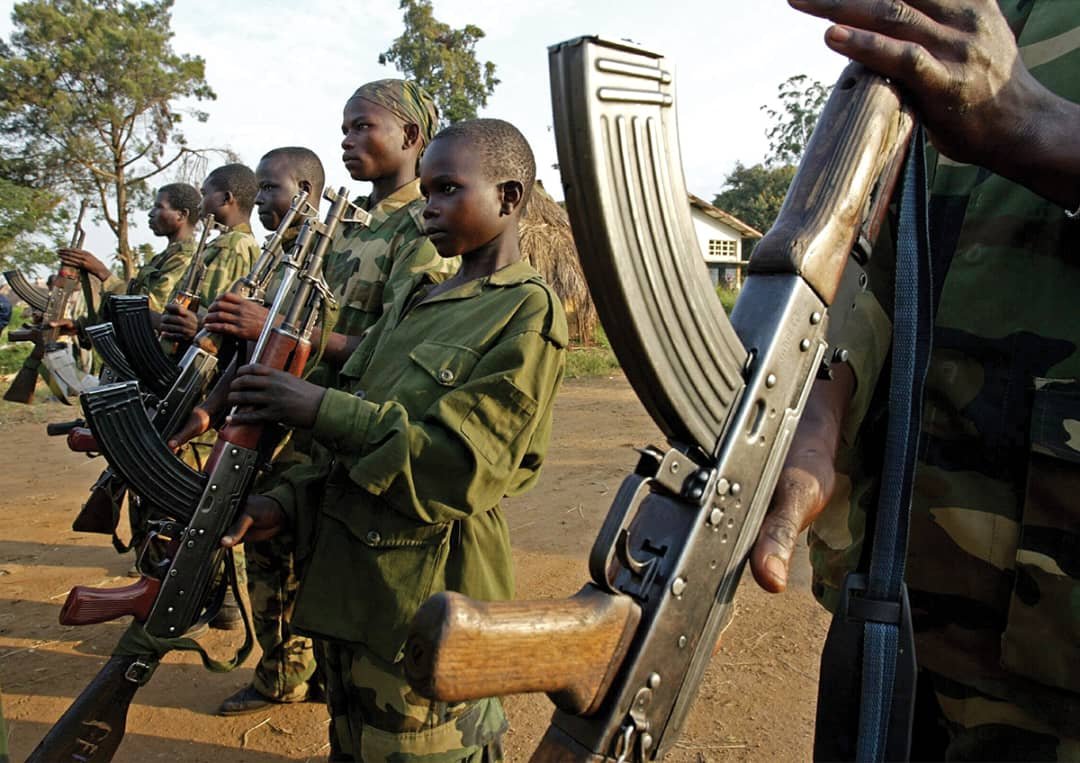

GIOPPINI, a leading NGO warns that more than two million homeless children roaming Kano’s streets risk joining terrorists if urgent action isn’t taken.
The Global Improvement of Less Privileged Persons Initiative, known as GIOPPINI, sounded this urgent alert on Monday, highlighting how poverty and a broken traditional education system leave these vulnerable kids exposed to radicalization.
In a bustling city already grappling with insecurity, these children—mostly boys sent away for Quranic studies—often end up begging for survival instead of learning.
GIOPPINI’s executive director, Mohammed Ali Mashi, painted a stark picture during the announcement. “The situation is extremely alarming,” he said.
“These children migrate to Kano seeking knowledge, but the traditional Almajiri system has failed them.
They abandon their studies to scavenge for food, sleeping in unsafe public spaces and facing exploitation daily.”
Furthermore, Mashi emphasized the security fallout, noting that prolonged street life creates perfect conditions for extremists to recruit.
This crisis didn’t emerge overnight. For generations, families in northern Nigeria have sent young boys, called Almajiri, to Islamic teachers for religious education.
In the past, communities supported these students with food and shelter, fostering scholars and leaders.
However, rapid urbanization, economic hardship, and weak oversight have shattered that support network.
As a result, many boys now endure hunger, disease, and abuse, turning a sacred tradition into a pathway for despair.
Recent studies back up GIOPPINI’s concerns.
A 2025 policy brief from the International Centre for Counter-Terrorism links the Almajiri system to groups like Boko Haram, whose founder was once an Almajiri himself.
The report explains how systemic poverty and marginalization make these youths prime targets for terrorists, who exploit their grievances to build armies.
In addition, a London School of Economics analysis points to leadership failures in northeastern Nigeria, where social exclusion fuels radicalization in similar Quranic schools.
Nationwide, the numbers are staggering.
UNICEF estimates 18.3 million children are out of school in Nigeria, with northern states like Kano bearing the heaviest burden.
Groups such as the Foundation for Peace Professionals warn that without dismantling the flawed Almajiri setup in the next five years, the region could face total collapse, as neglected kids grow into disconnected adults ripe for terrorist networks or criminal gangs.
Yet, hope flickers through targeted efforts. For instance, one NGO recently launched a N50 million program to train Almajiri boys as computer technicians, aiming to break the cycle of poverty with skills and opportunities.
GIOPPINI echoes these calls, urging the government to build emergency shelters, reintegrate children into families or vocational programs, and tackle root causes like economic inequality.
As terrorists continue to plague northern Nigeria—displacing communities and stoking fear—experts stress that ignoring this humanitarian emergency only strengthens their hand.
Mashi put it bluntly: “We must act now, or these children won’t just suffer; they’ll become the very threats we’re fighting against.”
With Kano’s streets teeming with forgotten youth, the clock is ticking for leaders to turn warnings into real change.