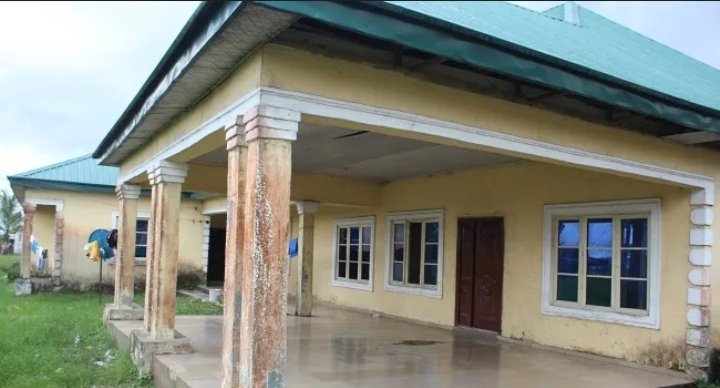


Nursing mothers and pregnant women in Ekete-Inland, Udu Local Government Area of Delta State, endure severe overcrowding and poor conditions at their only Primary Health Centre.
Civic groups Tracka and MonITNG spotlighted the crisis after on-site visits.
On immunization days, more than 140 nursing mothers squeeze into tiny, inadequate spaces alongside their infants.
Weekly, 30–40 pregnant women arrive for antenatal care, while over 100 mothers bring children for vaccinations.
The small, poorly built facility cannot handle the volume, turning routine visits into chaotic and undignified experiences.
Health workers struggle under extreme pressure.
The centre lacks sufficient staff and essential medical equipment, yet personnel push to deliver services despite the overwhelming burden.
Community members describe how the building’s size and layout intensify congestion, especially during peak periods, raising serious health risks in an environment meant to ensure safety and dignity.
This neglect persists in an oil-producing community within Delta State, which receives substantial 13% derivation funds monthly from the federal government.
The state budgets billions of naira annually for healthcare, yet residents face a glaring disconnect between allocations and on-ground realities.
Tracka reports that the facility has operated in this deplorable state since 2008.
The matron told investigators the centre remains understaffed and underequipped, unable to meet growing demand.
MonITNG demands urgent action. The group calls on the Delta State Government, National Primary Health Care Development Agency (NPHCDA), and Federal Ministry of Health to reconstruct and expand the Ekete Primary Health Centre.
They urge authorities to deploy additional qualified personnel and provide proper equipment to restore functional, safe healthcare delivery.
The people of Ekete-Inland deserve better.
In a resource-rich region, basic maternal and child health services should never compromise safety or dignity.
Immediate intervention can transform this facility and protect vulnerable families from preventable hardship.