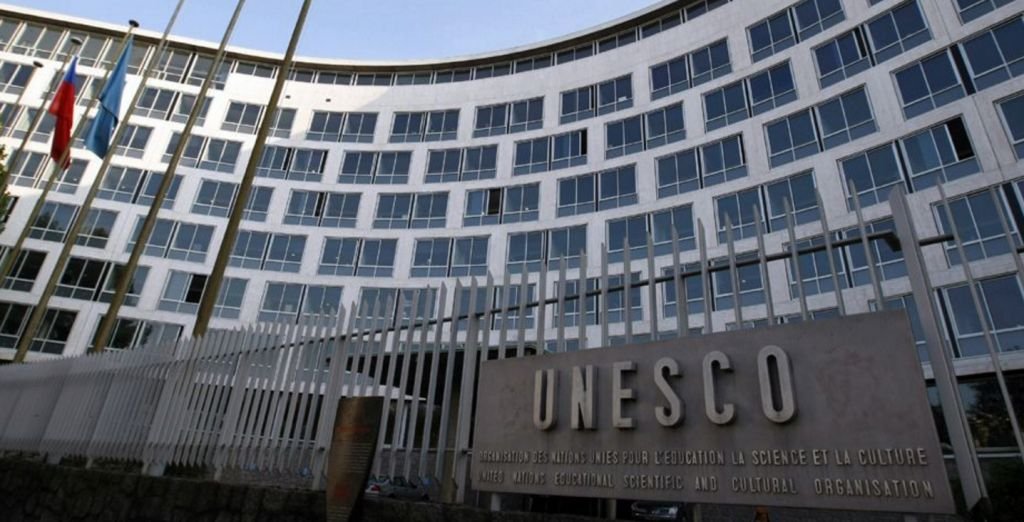

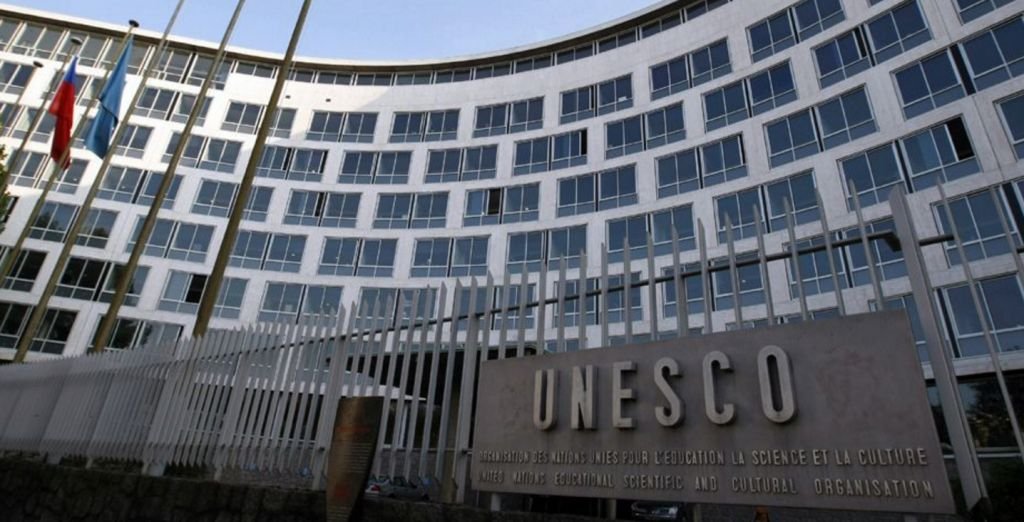

UNESCO has revealed that the number of children and young people missing out on school worldwide has climbed to 273 million.
This marks the seventh year in a row that the figure has risen, up three per cent since 2015, even though more youngsters than ever are now walking through classroom doors.
Population growth, ongoing crises and tighter budgets have combined to stall progress almost everywhere, with sub-Saharan Africa bearing the heaviest blow.
Yet the picture is not entirely bleak.
Since 2000, governments have enrolled 327 million more children and young people in education.
That works out to roughly 25 extra pupils entering school every minute.
Still, one in six school-age children and adolescents remains excluded, and only two in three complete secondary education.
In Nigeria, the situation feels especially urgent.
Terrorists have repeatedly attacked schools across the northeast, burning buildings, abducting students and forcing entire communities to abandon learning.
These strikes have closed hundreds of classrooms and pushed millions of Nigerian children out of education, deepening a national crisis that already leaves the country with one of the world’s largest out-of-school populations.
Progress that once looked promising has slowed sharply since 2015.
In many places, conflict has pushed children further from safety and learning.
Over one in six school-age children now live in areas hit by violence, and experts say the true number out of school is even higher when gaps in humanitarian data are filled.
UNESCO stresses that tailored policies and steady funding can turn the tide.
Without urgent action, the organisation warns, millions more children will grow up without the skills or opportunities they need to build better lives for themselves and their communities.
The report calls on governments to focus on the most excluded—girls in rural areas, children in conflict zones, and those living in poverty—so that the next generation does not pay the price for today’s failures.