
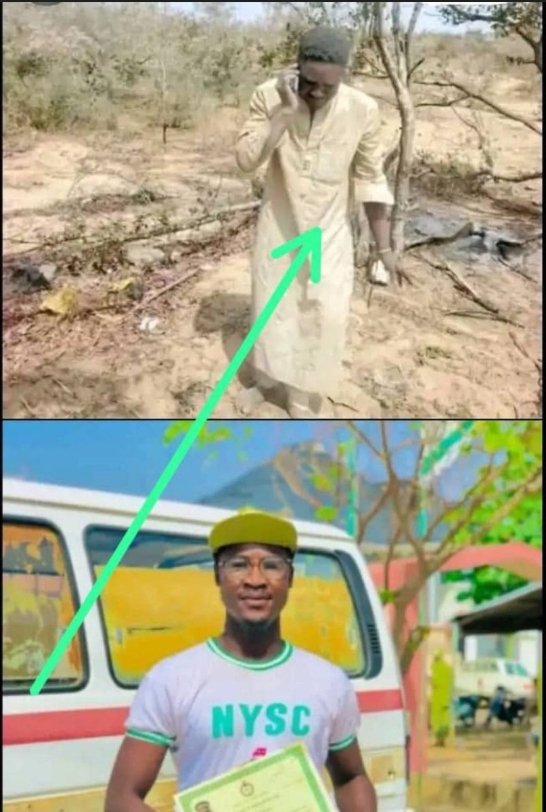

Ordinary Nigerians crowdfunded ₦4.6 million to free a kidnapped NYSC corps member, Abba igniting outrage against the government’s call for dialogue with terrorists.
Terrorists abducted the young NYSC member, Abba, on 28 February 2026 in northern Nigeria, where they demanded a ₦5 million ransom from his struggling family.
In a harrowing video that quickly spread across social media, the terrorists beat and kicked Abba while he begged for his life, highlighting the brutal reality of abductions that have plagued the region.
His family, unable to meet the full demand alone, turned to fellow citizens for help, and Nigerians responded with overwhelming generosity.
As donations poured in through online appeals, ordinary people from across the country chipped in to raise ₦4.6 million, securing Abba’s release after days of torment.
This grassroots effort showcased the resilience and solidarity of Nigerians, who stepped up where they felt the government had fallen short.
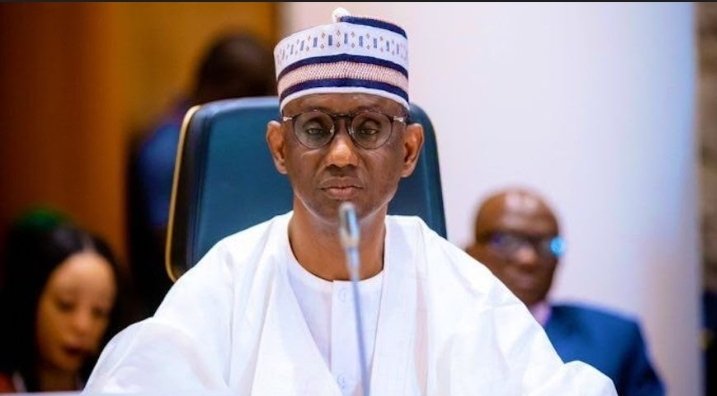
However, the story took a sharper turn when it collided with recent comments from National Security Adviser Nuhu Ribadu.
In a Voice of America interview, Ribadu described some terrorists as “our brothers” who seek peace, urging dialogue and understanding as part of Nigeria’s security strategy.
He argued that negotiation could complement military action, pointing to groups willing to lay down arms.
Yet, this stance provoked immediate backlash from netizens and activists, who accused the Tinubu administration of leniency towards those responsible for thousands of deaths and abductions.
On X, users vented their frustration, with one popular post declaring, “Terrorists who rape, kill our fathers, mothers, children, and friends, and destroy our villages and communities are not one of us.”
Another user questioned, “Are we sure terrorists are not the ones running this current government?”
The outcry grew louder as people linked Ribadu’s words to ongoing insecurity, including over 3,500 reported abductions in 2025 alone, according to security analysts.
Meanwhile, critics drew parallels to past policies under former President Muhammadu Buhari, suggesting a continuity in handling northern terrorism that favours talks over decisive force.
In addition, some pointed to the irony: while citizens scraped together ransom money, the government appeared to advocate empathy for the perpetrators.
As a result, calls for accountability mounted, with activists tagging international figures like US President Joe Biden and Israeli Prime Minister Benjamin Netanyahu in pleas for global attention.
The incident has reignited debates on Nigeria’s approach to terrorism, exposing deep divisions between public sentiment and official policy.
For now, Abba’s safe return offers a glimmer of hope, but many Nigerians wonder if their leaders will finally confront the threat head-on.