

A Plateau State doctor endured a brutal roadside beating by Nigerian soldiers after overtaking their convoy, only for one perpetrator to downplay the attack as a “minor issue” while soliciting funds.
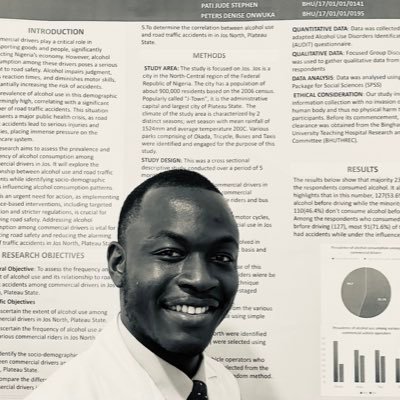
In a shocking display of military overreach, Dr. Jude Pati, a medical practitioner at a state hospital in Plateau State, Nigeria, faced humiliation and physical assault on December 24, 2025.
While driving home late that evening, Pati overtook a military convoy blaring its siren.
Soldiers immediately halted him, dragged him out of his vehicle, and beat him on the roadside “like a thief,” according to Pati’s own account.
Pati detailed the ordeal in posts on X the following day, explaining how the soldiers not only assaulted him but also removed his car’s door handle and blocked his vehicle to prevent escape.
They then transported him to a nearby barracks, where they continued the humiliation and issued death threats, warning that they would shoot him if given the order.
Amid the chaos, Pati managed to hide his phone and send an SOS message to his partner and parents, which he credited with potentially saving his life by alerting others to his location.
The assault left Pati with severe chest pain upon breathing, prompting him to visit the Accident and Emergency department at his workplace for an X-ray examination.
“I was beaten like a thief,” Pati wrote on X. “I just left the A and E in my state hospital to run an X-ray because I feel pain in my chest every time I inspire.”
However, the story took an even more bizarre turn in the aftermath.
One of the soldiers involved, Moses Yakubu Gowon, reached out to Pati via WhatsApp.
In screenshots shared by Pati, Gowon inquired about the doctor’s well-being before minimizing the incident as a “joke” and a “learning experience.”
He compared the beating to routine training at National Youth Service Corps (NYSC) camps and urged Pati to let it go.
Shockingly, Gowon then provided his Zenith Bank account details, requesting “something small” to make himself happy during the holiday season.
Investigative journalists from the Foundation for Investigative Journalism (FIJ) contacted Gowon by phone on December 26, 2025, using the number from the WhatsApp exchanges.
Gowon denied participating in the initial roadside assault, claiming he only encountered Pati at the barracks where he intervened as a military officer.
He scolded Pati for blocking the convoy without knowing who was inside and insisted the actions were minor.
“They didn’t do anything to him. He was not hurt,” Gowon told FIJ.
“If you go to NYSC camps where the army trains corps members, you will know that what they did to him was just minor.”
Gowon further described offering Pati a bottle of water and treating him like a friend, emphasizing that the convoy’s siren should have deterred any interference.
He added that any disciplinary action against the soldiers would be an internal army matter, and he even suggested visiting Pati’s hospital to address the issue personally—not as a threat, but as a friendly gesture.
Meanwhile, FIJ attempted to reach Pati directly through direct messages and tags on X on December 25, but received no response by the time of publication.
The incident quickly drew public condemnation on social media.
Investigative journalist Fisayo Soyombo, founder of FIJ, shared the story on X, highlighting the soldiers’ behavior and the subsequent “apology” that included a plea for money.
Replies to Soyombo’s post echoed widespread frustration with military impunity in Nigeria.
One user lamented, “This lawlessness of always maltreating civilians by security agents must be addressed for God’s sake.
How long will this impunity continue?”
Another noted the soldier’s audacity in begging for Christmas money after the assault.
This case underscores ongoing tensions between Nigerian security forces and civilians, particularly in regions like Plateau State, where military operations against insecurity often lead to reported abuses.
Advocacy groups have long called for reforms to hold soldiers accountable, but incidents like Pati’s suggest little change.
As of December 26, 2025, no official response from the Nigerian Army appeared in public records, leaving questions about potential investigations unanswered.
Pati’s experience serves as a stark reminder of the vulnerabilities civilians face in encounters with armed forces.
While Gowon portrayed the event as trivial, the doctor’s physical injuries and emotional trauma paint a far graver picture, fueling demands for justice and systemic oversight.