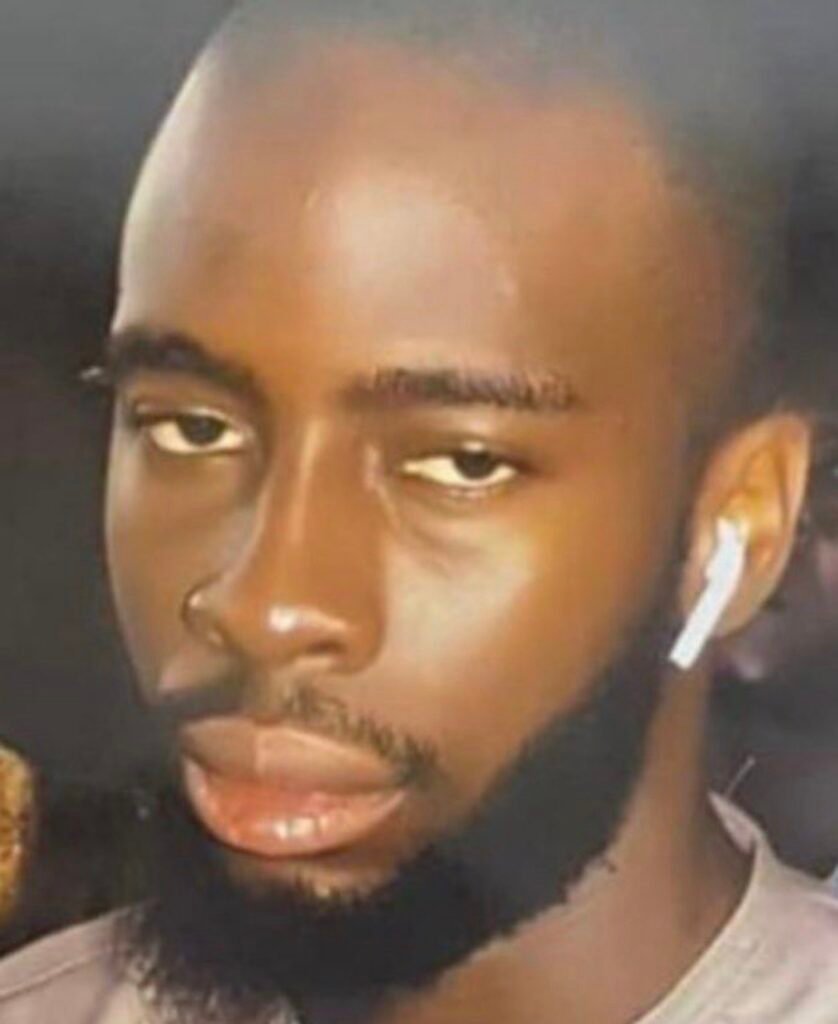



Nigerian prison officials thrust whistleblower Daniel Nnamdi Emeh into solitary confinement, suspecting him of leaking details about internal extortion schemes to the press.
Emeh, a 26-year-old IT consultant, first gained attention in 2023 when he exposed organ trafficking, extrajudicial killings, and widespread corruption within the Anambra Police Command.
Authorities arrested him shortly after on charges of illegal firearm possession and defamation, which critics label as fabricated retaliation.
Despite courts granting him bail multiple times—including a May 2024 order with conditions he met—police and prison officials blocked his release, extending his detention beyond two years.
Now, insiders reveal that Awka Correctional Centre staff isolated Emeh as punishment for allegedly tipping off journalists about prison abuses, such as inmates paying up to N200,000 ($120) for better cells.
Fisayo Soyombo, founder of the Foundation for Investigative Journalism, broke the story on X, citing sources who described the confinement as “torture.”
This move echoes United Nations warnings that prolonged isolation inflicts severe psychological harm, potentially amounting to cruel treatment.
Meanwhile, Emeh’s case draws global scrutiny.
Earlier this month, the international NGO Blueprint for Free Speech awarded him the 2025 Blueprint Africa Whistleblowing Prize for his bravery, though he accepted it through his father while still behind bars.
Human rights groups, including Amnesty International and Corruption Anonymous, demand his immediate release, highlighting fresh assassination threats—like a smuggled weapon discovered in the prison—as evidence of escalating dangers.
Activists argue that Emeh’s ordeal exposes Nigeria’s flawed whistleblower protections and systemic impunity.
Omoyele Sowore, a prominent opposition figure, condemned the police for promoting implicated officers while persecuting Emeh, calling it “a stain on Nigeria’s justice system.”
As his trial drags into 2026, supporters rally online with hashtags like #JusticeForEmeh, urging international intervention to safeguard his life.
The Nigerian Correctional Service has launched a probe into the alleged abuses, but skeptics fear it may yield little change without external pressure.
Emeh’s story underscores the perilous path for truth-tellers in Nigeria, where exposing corruption often invites harsher reprisals than the crimes themselves.