

Terrorists have unleashed unprecedented violence across Nigeria, killing 22,460 people in conflicts during President Bola Tinubu’s first two years in office, a figure that towers four times higher than rates under previous governments.
This shocking tally, compiled by data analysts StatiSense, highlights a grim escalation in attacks that have ravaged communities, particularly in the northern regions.
From 2024 to 2025, the daily death toll averaged 31 lives lost to rebel assaults, terrorist strikes on civilians, and clashes involving government forces.
Moreover, this surge marks a 58% increase over the combined fatalities from the opening two years of the Obasanjo, Yar’Adua, and Jonathan administrations, which totalled 14,185 deaths.
In comparison, former President Olusegun Obasanjo’s early tenure from 2000 to 2001 saw 5,528 fatalities, while Umaru Musa Yar’Adua’s 2008-2009 period recorded 3,190.
Goodluck Jonathan’s first two years in 2011-2012 claimed 5,467 lives, and even Muhammadu Buhari’s 2016-2017 stint, amid the height of Boko Haram’s terror, resulted in 9,835 deaths.
Yet, under Tinubu, the violence has intensified, with terrorists targeting villagers, soldiers, and everyday Nigerians in ambushes and bombings.
The data paints a picture of widespread terror, from Borno State’s ISWAP strongholds to bandit-ridden areas in Zamfara and Katsina.
In 2024 alone, conflicts took 9,498 lives, and the following year saw an even deadlier toll of nearly 12,000.
As a result, Nigeria’s death count in 2025 even outpaced war-torn nations like Syria and Yemen, sparking outrage among citizens who feel abandoned by security efforts.
However, the government maintains it is stepping up operations against these terrorists.
Military spokespeople point to airstrikes and ground offensives that have neutralised hundreds of threats, but critics argue these measures fall short.
In addition, communal clashes and herder-farmer disputes, often fuelled by terrorist groups, continue to claim innocent lives, displacing thousands and deepening humanitarian crises.
Nigerians on social media have voiced their despair, with one user lamenting that the country feels like a war zone without the name.
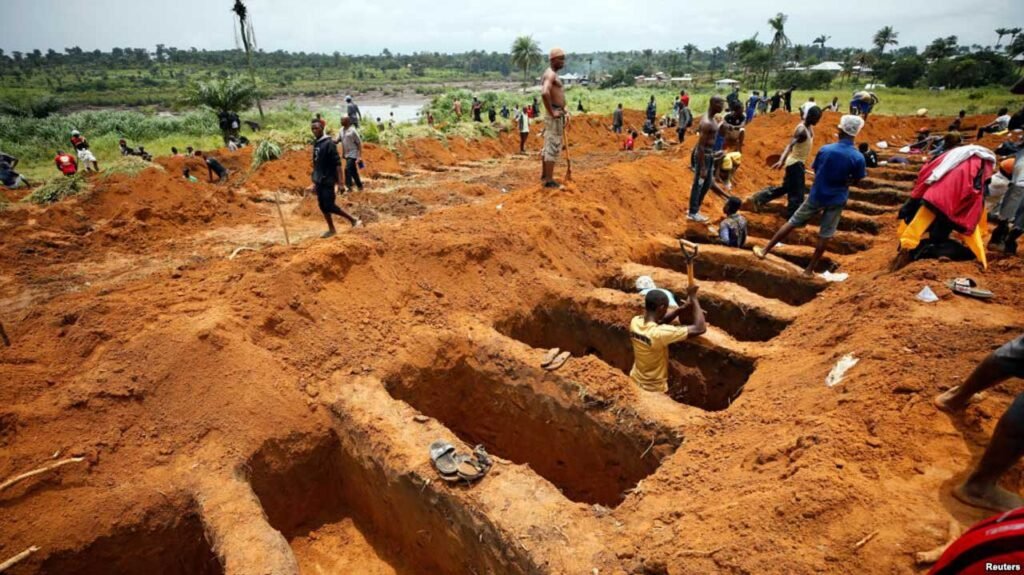
Indeed, as families bury their loved ones in mass graves, the call for stronger action grows louder.
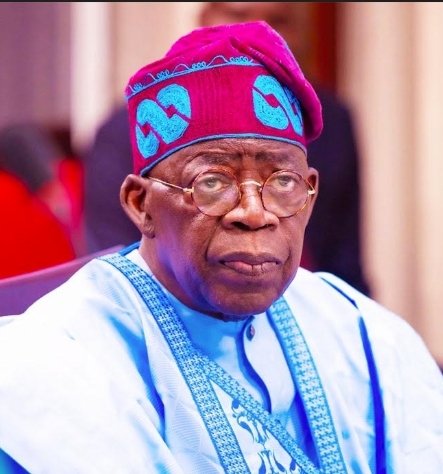
President Tinubu, who promised renewed hope upon taking office, now faces mounting pressure to curb this bloodshed before it defines his legacy.
For many, the statistics are more than numbers—they represent shattered families and a nation yearning for peace.
As the violence persists, observers hope that collaborative efforts with regional allies will finally turn the tide against the terrorists plaguing Africa’s giant.