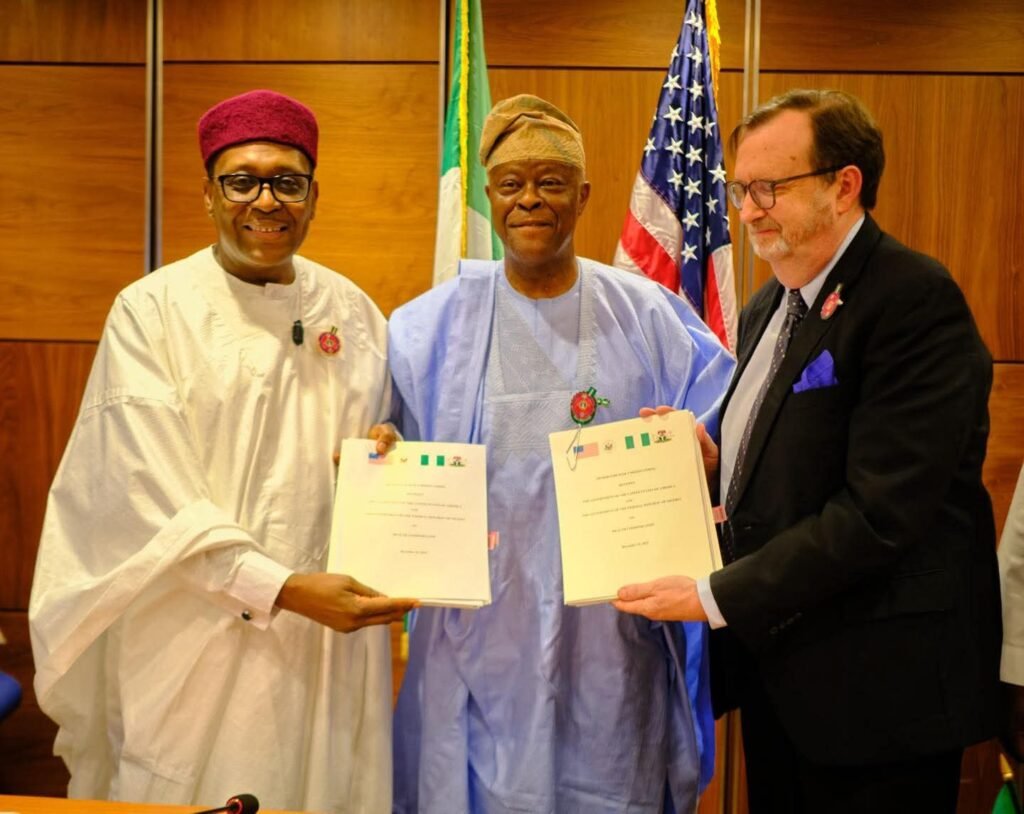

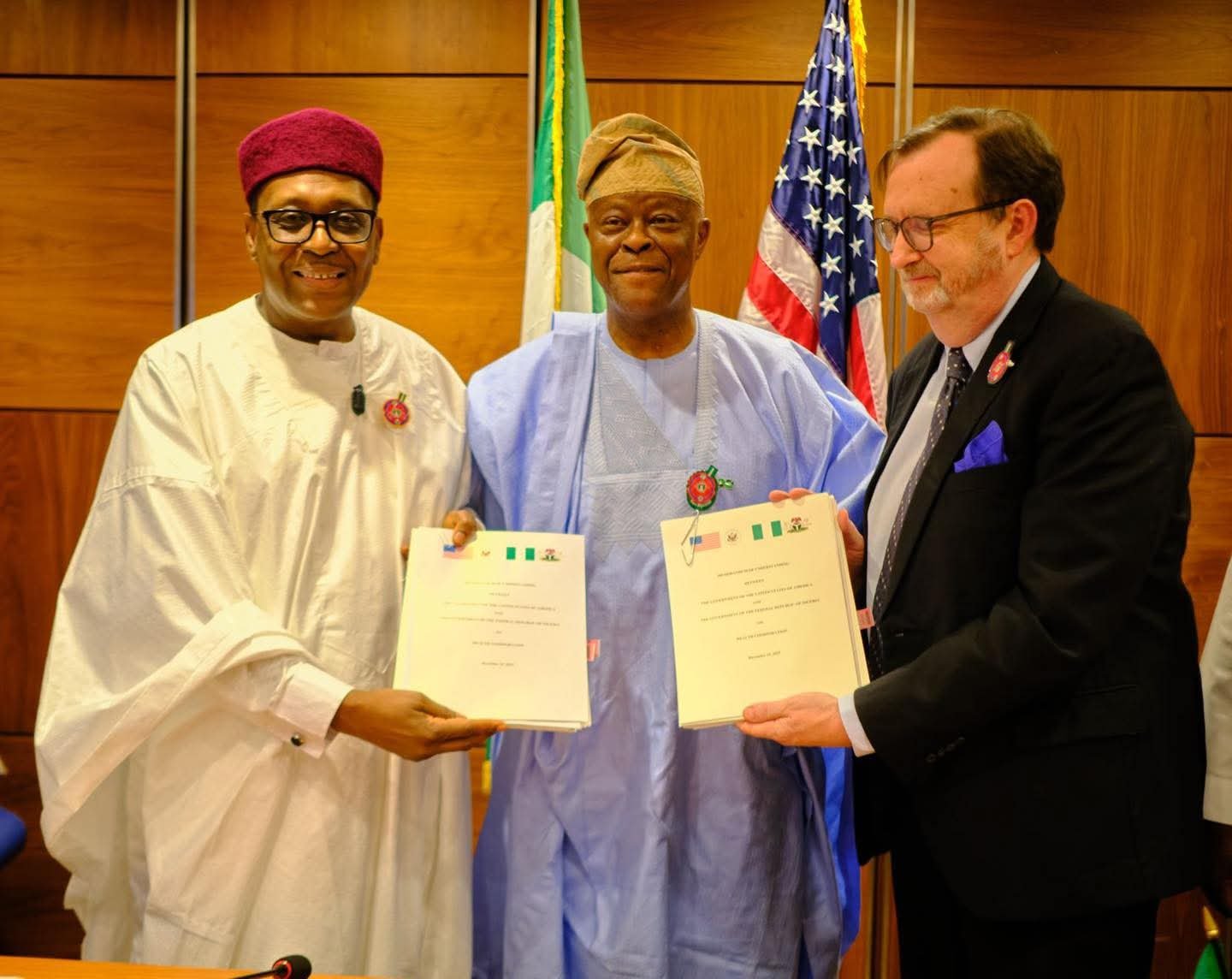

The United States signed a landmark five-year bilateral health agreement with Nigeria on December 19, committing nearly $2.1 billion to combat HIV, tuberculosis, malaria, polio, and improve maternal and child health.
Meanwhile, Nigeria pledged an additional $3 billion in domestic funding, creating a combined $5.1 billion initiative—the largest co-investment under the Trump administration’s America First Global Health Strategy.
The US Department of State highlighted a strong focus on Christian faith-based healthcare providers.
These over 900 clinics and hospitals serve more than 30 percent of Nigeria’s 230 million people, often in underserved and hard-to-reach areas.
In addition, the agreement allocates approximately $200 million specifically to strengthen these Christian facilities, enhancing workforce capacity and expanding integrated services for key diseases.
Officials tied the pact to Nigeria’s recent reforms aimed at protecting Christian communities from violence.
The State Department noted that investments in these institutions complement public-sector efforts and reinforce overall health infrastructure.
However, the deal emerges amid heightened US scrutiny of Nigeria, including its designation as a Country of Particular Concern for religious freedom and recent travel restrictions citing security and visa concerns.
Despite these tensions, both sides emphasized shared goals: saving lives, building resilient systems, and promoting accountability.
Furthermore, the US retains the option to pause or terminate programs if they no longer align with national interests, while expecting continued progress against extremist violence targeting Christians.
Nigerian leaders welcomed the partnership, aligning it with national priorities like the Health Sector Renewal Initiative.
Yet, online reactions in Nigeria quickly turned skeptical.
Many citizens voiced fears on social media that politicians could divert funds for personal gain or upcoming elections, citing past aid mismanagement.
Nevertheless, proponents argue the bilateral framework, bypassing traditional NGOs, ensures greater transparency and direct impact.
This agreement follows similar pacts with countries like Kenya, signaling a broader shift in US global health policy toward government-to-government cooperation and self-reliance.