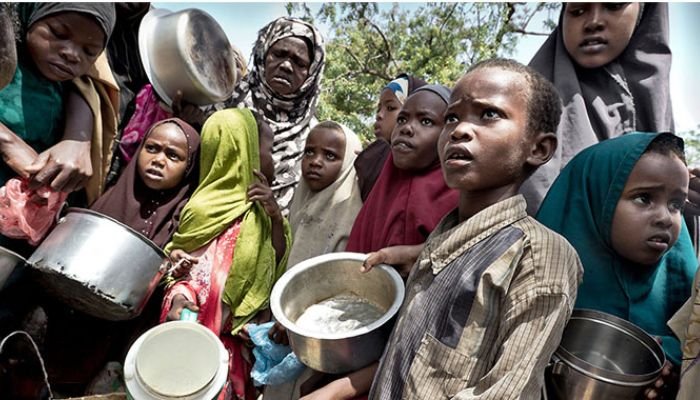

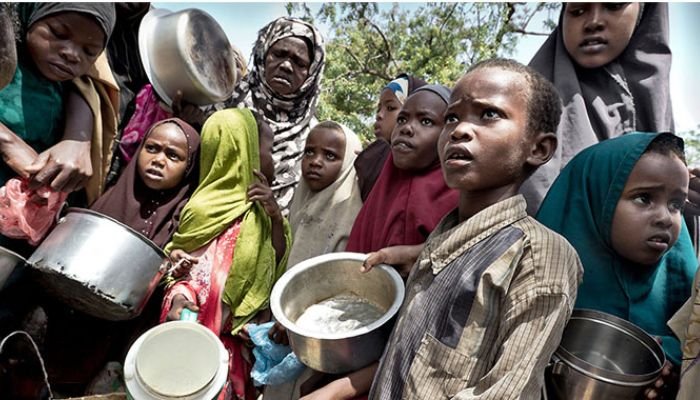

Nigeria tops a dire hunger forecast in West Africa, with UN experts warning that 55 million people face crisis-level food insecurity.
The United Nations World Food Programme urgently warns that Nigeria stands at the epicenter of a worsening hunger crisis sweeping West and Central Africa, where conflict, displacement, and slashed aid budgets now threaten millions with severe malnutrition and starvation.
Released on January 16, 2026, the latest Cadre Harmonisé analysis projects that over 55 million people across the region will endure crisis levels of hunger — or worse — during the June to August lean season, marking a sharp escalation from previous years.
In Nigeria, the situation hits hardest.
The report reveals that nearly 35 million Nigerians could face severe food insecurity this year, representing a significant chunk of the regional total.
Meanwhile, over three million people nationwide teeter on emergency levels of hunger, more than double the 1.5 million recorded in 2020.
Alarmingly, 15,000 residents in Borno State confront catastrophic conditions — classified as IPC Phase 5, the highest level — for the first time in nearly a decade.
This resurgence stems directly from intensified insurgent attacks, massive population displacements, and economic turmoil that have disrupted farming and markets.
Additionally, children bear the brunt of this ordeal.
The WFP estimates that more than 13 million kids under five across West and Central Africa risk acute malnutrition in 2026, with Nigeria’s vulnerable young population suffering profoundly amid soaring food prices and limited access to nutritious meals.
Sarah Longford, WFP’s deputy regional director for the area, emphasizes how reduced funding in 2025 has already deepened malnutrition rates, leaving families unable to cope.
For instance, nutrition programs in Nigeria halted assistance for about 300,000 children last year, and aid reach could shrink further to just 72,000 beneficiaries by February without immediate infusions.
However, the crisis extends beyond borders, though Nigeria, alongside Chad, Cameroon, and Niger, accounts for 77% of the affected population.
Persistent violence from armed groups has uprooted communities, while climate shocks like floods exacerbate food shortages.
In response, the WFP appeals for $453 million over the next six months to deliver life-saving aid, stressing that swift international support could prevent full-scale famine.
Public outcry in Nigeria intensifies as citizens link the hunger surge to domestic policies.
Social media users, reacting to the UN findings, blast President Bola Tinubu’s administration for economic reforms that they claim inflate costs and widen inequality.
One commenter decried, “Thiefnubu you brought this hardship on us… Nigeria cannot afford protein or healthy diet,” while another lamented, “See what the Tinubu government have put the people through… his useless reforms.”
These voices highlight growing frustration, urging leaders to prioritize local solutions alongside global aid.
Nevertheless, experts like Longford remain hopeful, noting that communities show resilience but require bolstered humanitarian efforts to rebuild.
As Nigeria navigates this pivotal moment, collaborative action from governments, donors, and private sectors could stem the tide, fostering stability and ensuring no child goes hungry in Africa’s most populous nation.