


The Federal Government of Nigeria has confirmed ongoing security and intelligence cooperation with the United States following recent airstrikes on terrorist targets in Nigeria’s North West. The confirmation comes amid heightened concerns over rising violence and the safety of civilian populations across the country.
In a statement issued on Friday by the Ministry of Foreign Affairs and signed by its spokesperson, Kimiebi Ebienfa, Nigerian authorities said the country remains engaged in “structured security cooperation with international partners, including the United States of America,” to address terrorism and violent extremism.
According to the ministry, the collaboration involves intelligence sharing, strategic coordination, and other forms of support carried out within the framework of international law, while respecting Nigeria’s sovereignty and shared security commitments. These efforts, the ministry said, led to precision airstrikes on terrorist targets in parts of the North West.
“Nigeria reiterates that all counter-terrorism efforts are guided by the primacy of protecting civilian lives, safeguarding national unity, and upholding the rights and dignity of all citizens, irrespective of faith or ethnicity,” the statement read. It stressed that terrorist violence — whether directed at Christians, Muslims, or other communities — remains “an affront to Nigeria’s values and to international peace and security.”
The statement followed remarks by United States President Donald Trump, who said U.S. forces had carried out strikes against Islamic State targets in northwestern Nigeria. Writing on his Truth Social platform, Trump described the operation as a response to attacks on civilians and warned of further action if such violence continued.
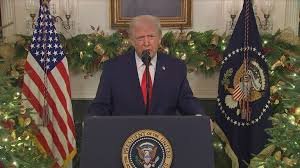
In a separate post, U.S. Defence Secretary Pete Hegseth said the operation was conducted with Nigeria’s cooperation, expressing appreciation for support from Nigerian authorities.
The airstrikes came just one day after a bomb attack on a mosque in Maiduguri, Borno State, which killed five people and injured dozens more in an incident authorities believe was a suicide bombing. The proximity of the two events has heightened anxiety among communities already living under the strain of insecurity.
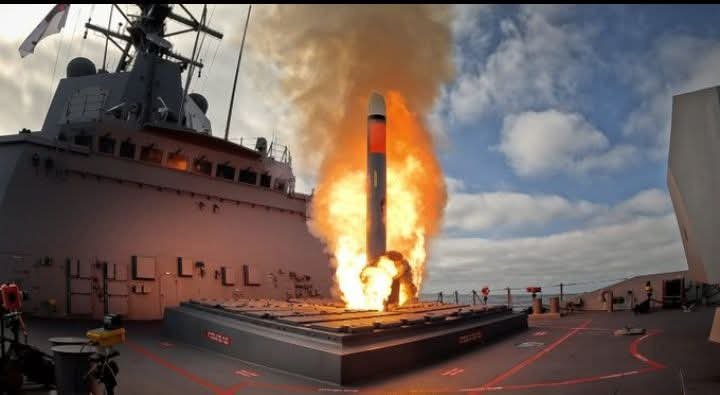
According to official information, the strike was carried out using Tomahawk cruise missiles, a long-range weapons system designed for precision operations. The missiles were launched from platforms positioned in the Gulf of Guinea, enabling them to reach inland targets within minutes. Flying at low altitudes, they reportedly provided little advance warning before impact. Guidance systems allowed for precise targeting and the ability to redirect the missiles mid-flight if required.
While officials emphasize that such technology is intended to limit unintended damage, humanitarian observers continue to urge caution. They warn that even precision strikes can carry serious risks in fragile regions, particularly where civilians live close to areas affected by conflict.
The Ministry of Foreign Affairs said Nigeria would continue to work with international partners through established diplomatic and security channels to weaken terrorist networks, disrupt their financing and logistics, and prevent cross-border threats. It added that the government would keep the public informed through appropriate official channels as developments unfold.
Humanity News will continue to follow the situation, with attention to its implications for civilian safety, regional stability, and humanitarian response.