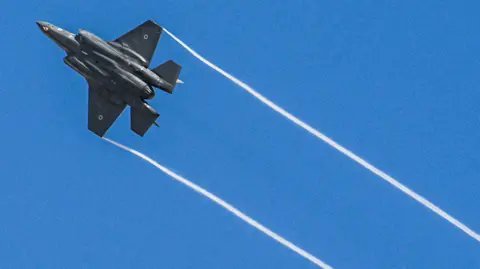


Israel has vowed to hit back hard with its most powerful weapons as the war with Iran enters its fourth week, following fresh Iranian missile strikes that left over 100 people injured in southern towns.
The Israeli military confirmed waves of airstrikes deep into Iranian territory overnight, targeting missile sites and other military infrastructure.
Officials made clear that more intense operations lie ahead.
Prime Minister Benjamin Netanyahu described the situation as “a very difficult evening” for the country but stressed determination to strike enemies on all fronts.
Iran launched multiple ballistic missile and drone attacks in retaliation, hitting areas including Dimona—near Israel’s key nuclear research facility—and Arad.
Emergency services reported dozens wounded in each location, with some in serious condition.
Hospitals went on mass casualty alert as rescue teams worked through the night.
Air raid sirens blared across much of Israel, sending people rushing to shelters.
This latest exchange comes amid escalating tensions.
The US and Israel have pounded Iranian targets since late February, including nuclear facilities like Natanz and energy sites.
In response, Iran has fired barrages at Israeli cities and even struck allied facilities in the Gulf.
President Donald Trump issued a 48-hour ultimatum to Tehran, demanding the Strait of Hormuz reopen fully or face obliteration of power plants.
Israeli leaders signal no let-up. The defence minister promised strikes will increase significantly this week.
The IDF chief of staff noted the campaign sits only halfway through, with clear direction to degrade Iran’s capabilities.
Civilians on both sides bear the brunt. In Israel, families in southern communities face evacuation and fear.
In Iran, reports describe widespread damage in Tehran and other cities from ongoing US-Israeli raids.
The conflict has already claimed hundreds of lives and disrupted global energy markets.
As night falls on this tense Sunday in March 2026, the cycle of retaliation shows no sign of slowing.
Both sides dig in, raising fears that the war could spiral further and draw in more players across the region.