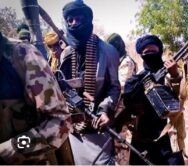

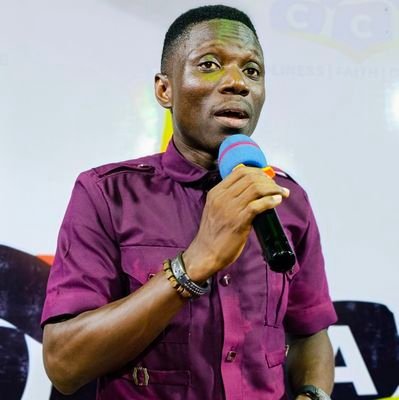

Terrorists slaughtered more than 200 villagers in Kwara State’s Woro and Nuku communities after they rejected Sharia law, Apostle Michael Olowookere revealed in a chilling interview.
In a video shared on X by Parallel Facts, Olowookere detailed how jihadists targeted the rural settlements in Kaiama Local Government Area on February 3 and 4, 2026.
He asserted that the attackers, whom he identified as Islamists and Fulani jihadists, struck because residents refused to embrace their extremist ideology.
“This is all planned to Islamise Nigeria,” Olowookere declared, linking the bloodshed to a broader conspiracy.
Eyewitness accounts corroborated the horror.
Terrorists gathered villagers under the pretense of a religious sermon, tied their hands, and executed them at close range.
Some victims burned alive in their homes, while others suffered looting and abductions.
Olowookere emphasized that a warning letter from Boko Haram preceded the assault, demanding submission to Sharia, but locals resisted.
However, official reports painted a slightly varied picture, though no less grim.
Kwara State Governor AbdulRahman AbdulRazaq confirmed that terrorists massacred at least 75 Muslims for defying a “strange doctrine.”
Meanwhile, the Nigerian Red Cross estimated the death toll at over 160, with bodies still emerging from bushes and rubble.
Amnesty International condemned the incident as a “stunning security failure,” noting that authorities received alerts at 5 p.m. but arrived only at 3 a.m.
President Bola Tinubu swiftly responded by deploying an army battalion and launching Operation Savannah Shield to hunt the perpetrators.
He branded the attack “cowardly and beastly,” vowing to protect defenseless communities.
Local lawmaker Mohammed Omar Bio blamed groups like Lakurawa, recently disrupted by U.S. strikes, for escalating violence in the region.
Additionally, survivors recounted prior threats.
Village head Umar Bio Salihu disclosed receiving a letter from terrorists a month earlier, seeking permission to preach.
He alerted the Department of State Services and the emirate council, which may have provoked the reprisal.
This massacre marked one of Nigeria’s deadliest outside traditional conflict zones, underscoring rising extremism in the west.
As burials continued—with 13 more bodies interred on February 5—residents fled, leaving scorched homes and markets behind.
Olowookere’s warnings amplified fears of a nationwide plot, urging immediate federal action to halt further atrocities.