


Nigeria is battling a fierce Lassa fever outbreak that has killed 146 people and infected dozens of frontline health workers in just three months.
The Nigeria Centre for Disease Control and Prevention reports 582 confirmed cases out of 3,222 suspected infections since the start of the year.
Taraba State leads the grim tally with 40 deaths, followed by Ondo with 31, Bauchi with 25, and smaller numbers in Plateau, Benue, Edo and Nasarawa states.
Health workers now find themselves on the front line of the crisis in more ways than one.
The Nigerian Medical Association confirms 37 medical staff have caught the virus, including three doctors who have died.
The National Association of Resident Doctors adds that 25 of its members are infected, with at least one fatality among them.
Bala Audu, president of the Nigerian Medical Association, notes the disease follows a familiar seasonal pattern from October onwards.
“The incidence had been falling over the last three to four years, but this year it has gone up again,” he says.
He stresses that doctors, nurses and community health workers simply lack consistent access to proper protective equipment.
Meanwhile, Shuaibu Ibrahim, national secretary of the resident doctors’ association, pulls no punches.
He says authorities have failed to learn from past outbreaks.
“We are not satisfied with the government’s efforts in protecting health workers,” he explains.
“If appropriate measures had been taken, by now we should only have a very small number of infections.”
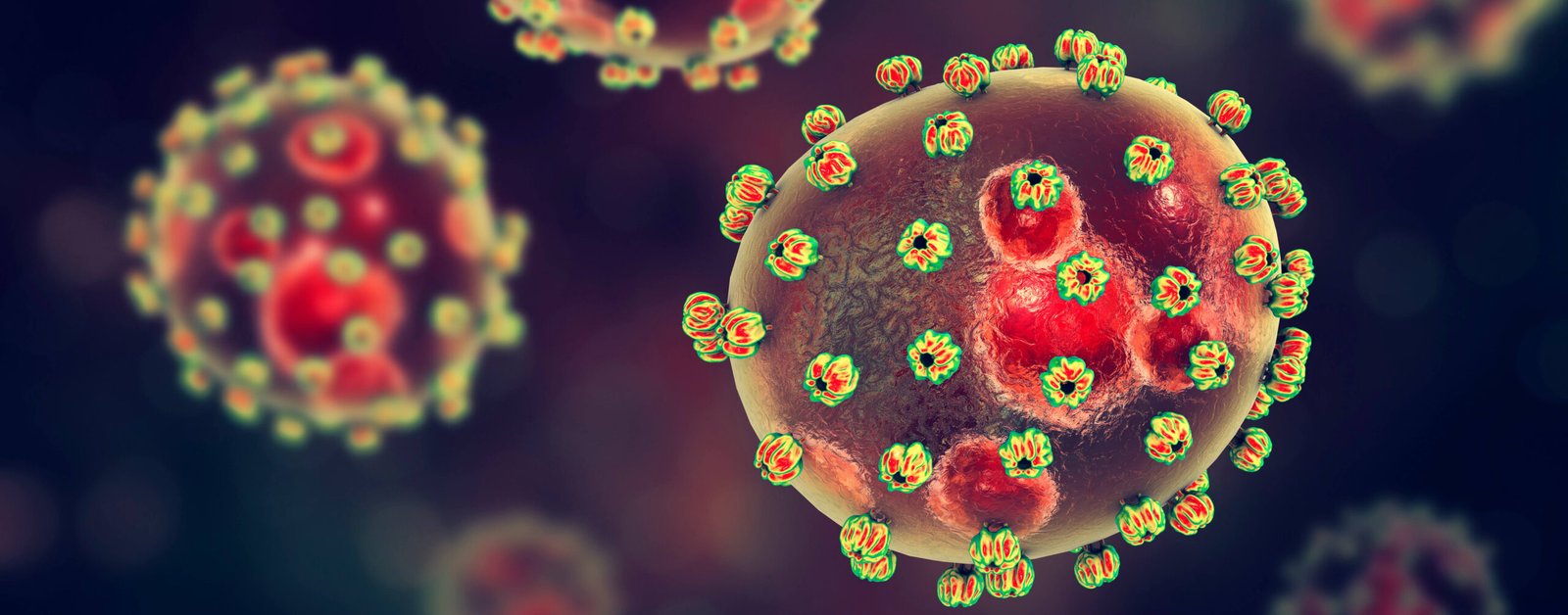
Lassa fever spreads mainly through contact with food or items soiled by the urine or droppings of infected rats.
It can also pass between people in hospitals when infection controls slip.
Symptoms start with fever and weakness but can quickly worsen into serious bleeding, swelling and shock.
In Ondo State, one of the hardest-hit areas, families tell heartbreaking stories.
Mrs Ariyo from Ifon rushed her uncle to hospital after herbal malaria treatment failed and he began vomiting and losing consciousness.
More than 20 people have already died there, with many others still receiving care.
Even in Benue State, where officials report 55 confirmed cases and 14 deaths, 11 health workers have fallen ill.
State health commissioner Paul Ogwuche blames lapses in basic infection prevention.
“This is human-to-human transmission, and the gap lies in infection prevention lapses,” he says.
Doctors and unions alike call for immediate action.
They want every health facility to stock and enforce the use of protective gear, improve surveillance, and step up rodent control.
Without these steps, they warn, the seasonal surge could claim even more lives among both patients and the very people trying to save them.