

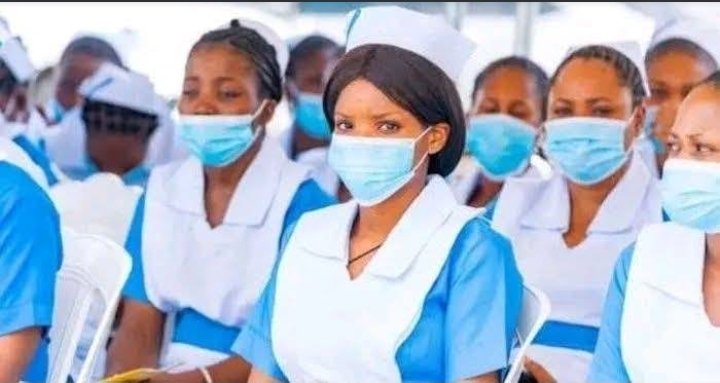

Nurses at Kaduna’s Federal Neuro-Psychiatric Hospital have paralysed services with an ongoing strike, and a prominent nurses’ forum now throws its full support behind them while calling for sweeping reforms across Nigeria’s healthcare sector.
The strike, which began on 4 February 2026, entered its fourth week by late February as 128 specialised nurses withdrew their services.
They demand proper implementation of the Consolidated Health Salary Structure (CONHESS) at level 7 for new recruits—rather than the lower CONHESS 6 currently applied—along with correct job titles, restoration of the Principal Nursing Officer cadre (CONHESS 11), payment of withheld uniform allowances, and inclusion of nursing leaders in key management decisions.
Union leaders stress that these issues have lingered for years despite repeated appeals.
“We had no option but to withdraw our services,” explained Comrade Enwereji Uchekukwu, the NANNM unit chairman at the hospital.
He highlighted the unsafe conditions that already existed before the strike, noting that in some wards one nurse previously handled dozens of patients with complex mental health needs.
Now, with regular staff absent, patient care faces even greater risks.
Hospital management responded critically to the action.
Officials accused the striking nurses of putting personal welfare above professional ethics and insisted that saving lives remains their top priority.
They arranged temporary contract staff—some reportedly on one-month terms—to fill gaps and maintain basic services.
Yet nurses warn that these inexperienced workers lack the specialised training required for psychiatric care, potentially endangering vulnerable patients who often deal with acute crises and require expert handling.
The Elegant Nurses Forum (ENF), a vocal advocacy group, stepped in to back the strikers.
In a statement shared widely on 28 February 2026, the forum condemned the misclassification of nurses as non-officers, the failure to apply CONHESS 7, and the withholding of allowances.
ENF leaders urged immediate reforms to harmonise conditions, boost morale, and prevent further exodus of skilled professionals from Nigeria’s public health system.
They emphasised that unresolved grievances threaten not only staff retention but also the quality of care nationwide.
Nurses involved describe the strike as a last resort after exhaustion from overwork and undervaluation.
Many point out their long history of dedication—managing violent episodes, building patient relationships, and preventing relapses—even in under-resourced settings.
“This is not about greed,” one nurse shared in an open letter.
“It is about dignity, fairness, and the ability to work with hope instead of frustration.”
As the standoff continues, both sides face mounting pressure.
Patients and families feel the impact most directly, while the broader healthcare crisis in Nigeria draws fresh attention.
The Elegant Nurses Forum and striking staff alike call on the Federal Ministry of Health to intervene decisively and address the root causes before more damage occurs.