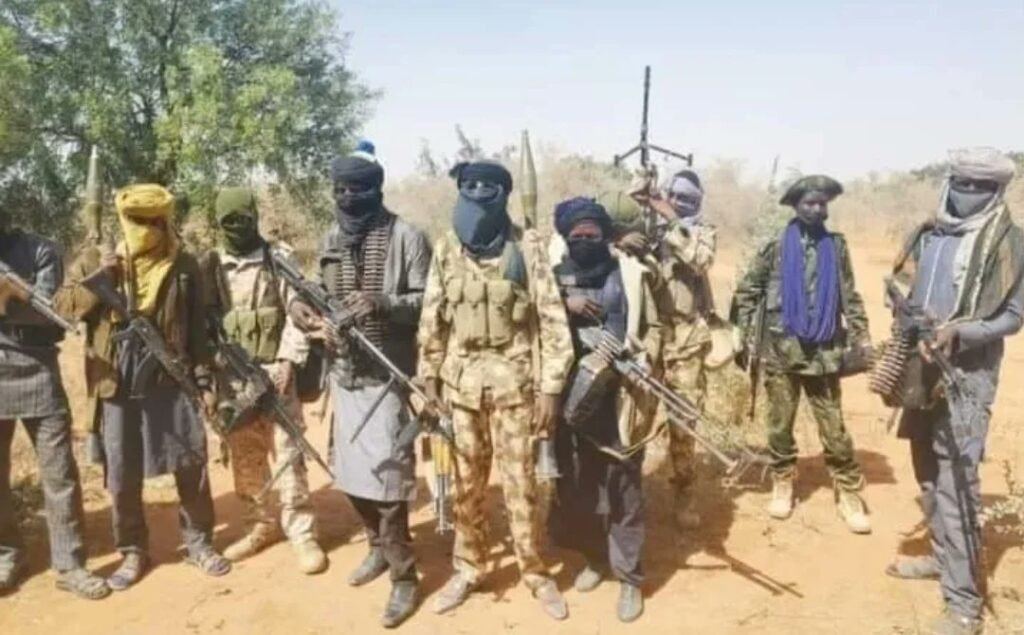

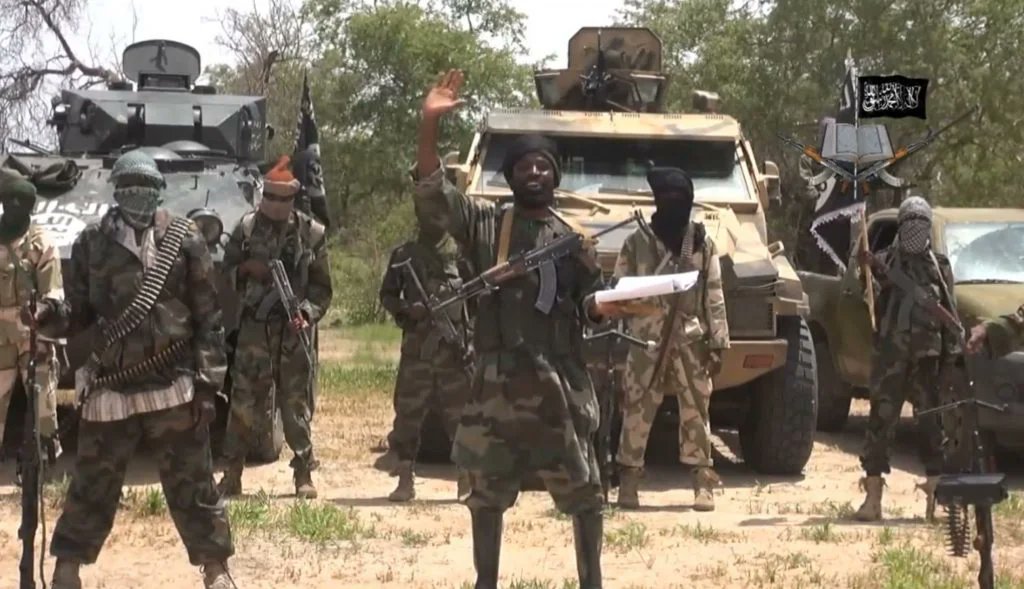

ISWAP terrorists stormed Ngoshe in Borno State, killing 14 soldiers, an Imam, and civilians while abducting dozens of women.
In the remote town of Ngoshe, nestled in Gwoza Local Government Area, ISWAP terrorists unleashed chaos on the evening of 4 March 2026.
They charged into the Nigerian Army’s base with overwhelming force, clashing fiercely with soldiers who fought back valiantly.
Yet, the attackers overpowered the defences, slaying at least 14 troops and wounding several more in the brutal encounter.
As the gunfire echoed through the night, the terrorists turned their fury on civilians.
They burst into homes and shops, torching everything in sight, including vehicles and an internally displaced persons camp that sheltered vulnerable families.
Tragically, an Imam fell victim to their rampage, and they snatched away scores of women—reports suggest dozens, possibly over 100—dragging them into the darkness.
The assault forced thousands of residents to flee their homes, swelling the ranks of Borno’s already staggering two million displaced people.
Meanwhile, the Nigerian military sprang into action.
The Air Component of Operation Hadin Kai dispatched jets for precision strikes, wiping out more than 50 terrorists who had gathered south of Ngoshe to set up an ambush.
Defence sources hailed the operation as a swift counterblow, though one unverified account on social media claimed the airstrikes hit friendly forces by mistake.
Military officials dismissed such rumours, emphasising their focus on dismantling the insurgents.
This latest outrage underscores the relentless grip of ISWAP, a splinter group from Boko Haram, on Nigeria’s northeast.
Since the insurgency ignited in 2009, it has claimed over 35,000 lives and uprooted millions, turning once-thriving communities into ghost towns.
Senator Ali Ndume, representing Borno South, voiced the anguish of locals, calling for urgent aid as the attack ravaged homes and a military outpost.
On social media platforms like X, Nigerians expressed raw frustration.
One user urged authorities to evacuate the state entirely to isolate the terrorists, while others demanded accountability from leaders.
“Make una leave that state for them,” one post read, capturing the despair amid endless violence.
As Ramadan unfolds, such attacks not only shatter lives but also deepen the humanitarian crisis in a region desperate for peace.
Authorities continue to assess the full toll, with relief efforts underway to support the displaced.
Yet, with ISWAP’s mobile tactics on motorcycles enabling quick strikes in the Lake Chad basin, residents fear this may not be the last horror they endure.