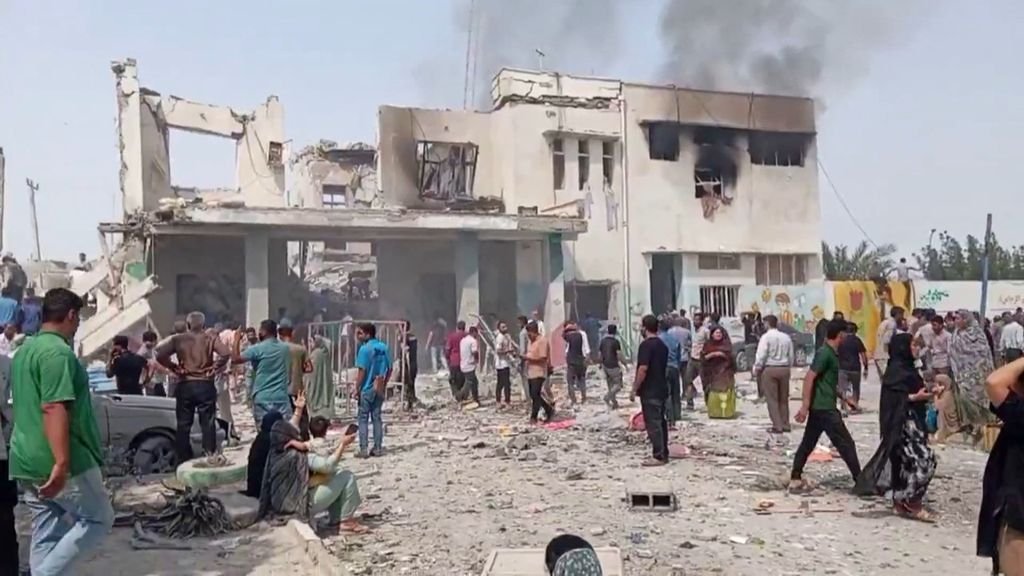

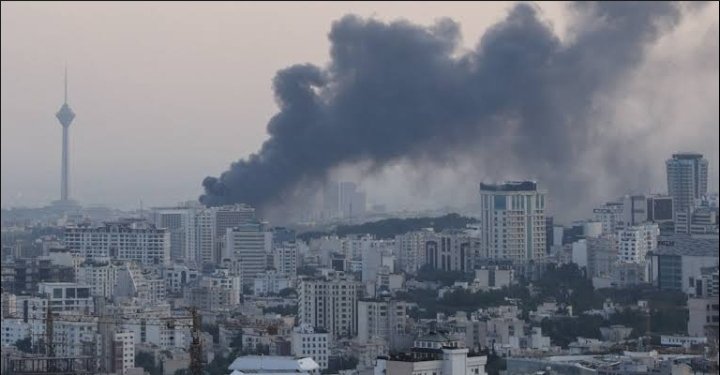

Israeli forces launched deadly strikes on Iran’s central Isfahan province, killing five civilians and damaging homes amid the escalating Middle East conflict.
The attacks struck early on Wednesday, hitting several cities in Isfahan including Najafabad, Fereydan, Mobarakeh, Aran va Bidgol, Kashan, and Shahreza.
Israeli jets and missiles targeted what they described as strategic Iranian sites, but the blasts also ripped through residential areas, leaving at least 15 buildings in ruins.
Local residents scrambled for cover as explosions lit up the night sky, marking yet another grim turn in this fast-spreading war.
This latest assault comes just days after the United States and Israel kicked off a massive joint operation on 28 February, pounding Iranian nuclear facilities, missile bases, and leadership compounds.
In a stunning blow, they assassinated Iran’s Supreme Leader Ayatollah Ali Khamenei, sparking furious retaliatory missile barrages from Tehran that have claimed lives on both sides.
Since then, the fighting has intensified, with Iran vowing revenge and firing rockets that wounded five in Jerusalem and killed nine in the Israeli town of Beit Shemesh.
Meanwhile, explosions rocked Iraq’s Kurdistan region late Tuesday, adding fuel to fears of a wider regional blaze.
A blast hit a building in Sulaimaniyah that once housed United Nations offices, though Iranian officials suspect it now shelters US troops.
Witnesses described thick smoke rising from the site, but no group immediately claimed responsibility, and details on casualties remain scarce.
Pro-Iranian militias, under the banner of the Islamic Resistance, stepped up their own assaults, launching drones at US bases near Baghdad’s airport.
Iraqi forces quickly intercepted some threats, seizing rockets in Abu Ghraib, but the skirmishes have left civilians caught in the crossfire.
The human cost mounts daily in this brutal exchange.
In Iran alone, strikes have killed hundreds, including a horrific attack on a girls’ school in Minab that claimed 165 lives, mostly children.
Funerals in southern Iran drew massive crowds, with mourners chanting slogans and clutching photos of the young victims.
On the other side, Iran’s counterstrikes have taken a toll too, killing three US service members and injuring more as the operation drags on.
Kurdish authorities in Iraq warn that repeated hits on local sites endanger innocent people, heightening tensions in an already volatile area.
Internationally, the United Nations has slammed the rising violence, calling for an immediate halt to hostilities.
Yet diplomacy seems stalled— a senior Iranian aide flatly rejected talks with the US, citing deep mistrust and a resolve to fight on.
As strikes continue from Tehran to Isfahan and beyond, analysts fear the conflict could engulf more nations, disrupting global oil routes and displacing thousands.
For now, ordinary families in Iran and Iraq bear the brunt, dodging debris and mourning losses in a war that shows no signs of easing.