

Israel launched fresh airstrikes on Tehran on Monday, piling pressure on Iran in a war that has now dragged the world into its worst energy crisis in decades.
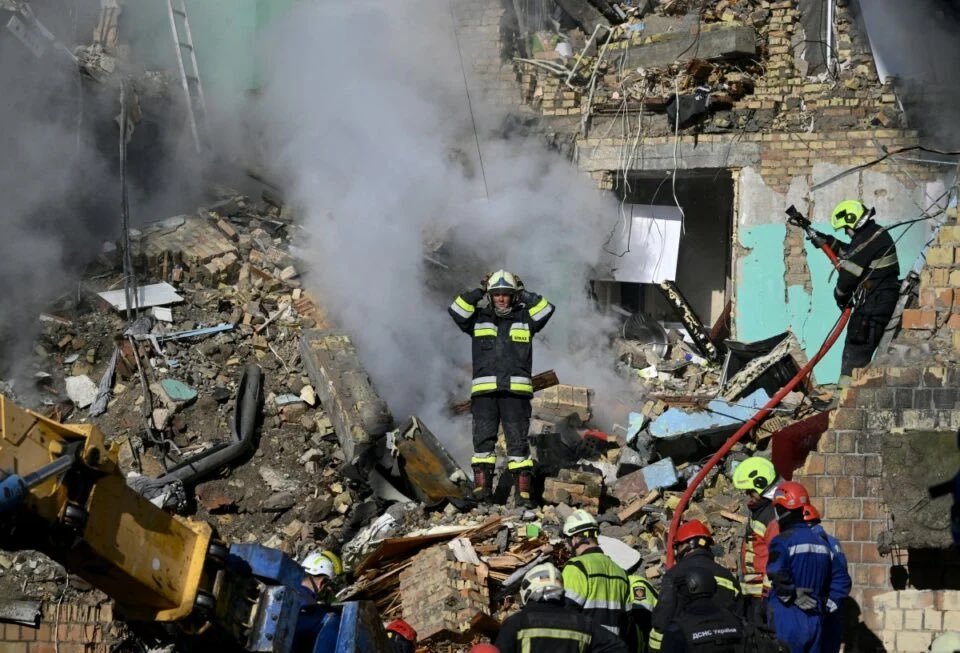
Explosions shook the Iranian capital as Israeli jets targeted key sites, Iranian state media reported.
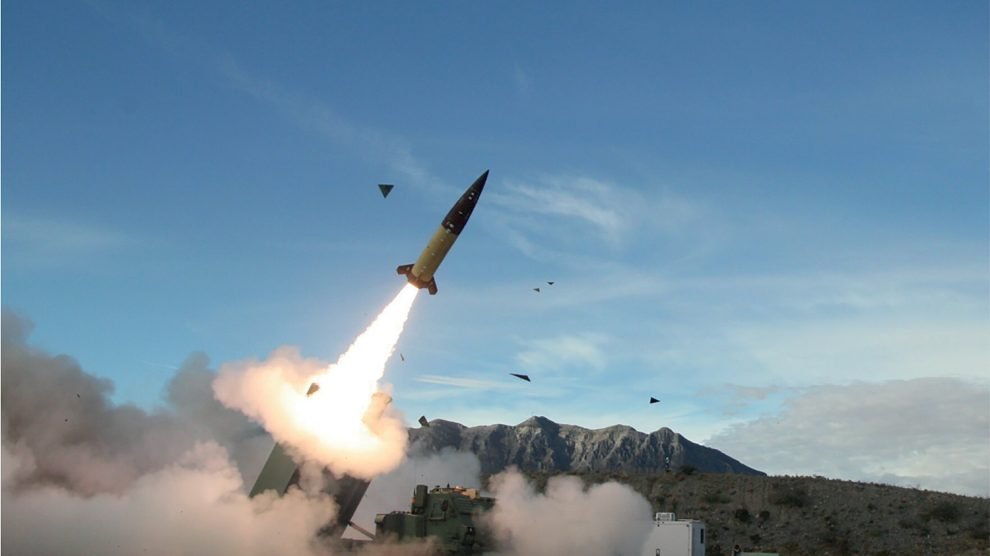
At the same time, Saudi Arabia and the United Arab Emirates scrambled to shoot down incoming missiles and drones aimed at their territory.
The conflict, which erupted after the assassination of Iran’s Supreme Leader Ali Khamenei, entered its fourth week with no end in sight.
Meanwhile, Tehran hit back hard. Iranian forces fired missiles and drones at Israeli towns in the south, wounding more than 100 people when defences failed to stop the projectiles.
One strike landed near Dimona, close to Israel’s nuclear research facility.
Residents there described the shock of sudden attacks on what they thought was safe ground.
In a sharp escalation, US President Donald Trump gave Iran an ultimatum: reopen the Strait of Hormuz within 48 hours or face the destruction of its power plants.
Iran’s parliament speaker, Mohammad Bagher Ghalibaf, fired back immediately.
He warned that any such move would make vital infrastructure across the entire region fair game for total destruction.
The economic fallout grows worse by the day.
The International Energy Agency says 11 million barrels of oil disappear from world markets every day because Iran has throttled shipping through the narrow Strait of Hormuz.
Oil prices have surged past $100 a barrel, and experts fear the pain will spread far beyond the Middle East.
Iran has also damaged at least 40 energy facilities across the Gulf, while its parliament now considers slapping tolls on any ships still brave enough to pass through the strait.
Friendly vessels slip through, but Tehran blocks those from countries it accuses of joining the aggression.
Further north, Israeli troops pressed their campaign against Hezbollah terrorists in Lebanon.
Prime Minister Benjamin Netanyahu promised a long fight, and soldiers received orders to blow up bridges the terrorists used to cross the Litani River.
More than 1,000 people have died in Lebanon since the operation began, and over a million others have fled their homes.
The war traces back to the deadly Hamas terrorist attack on Israel in October 2023.
Iran, long a backer of both Hamas terrorists and Hezbollah terrorists, paid a heavy price when its supreme leader was killed.
Since then, missiles have rained down on Iranian cities, and more than 3,200 people – including 1,406 civilians – have lost their lives there.
Yet neither side shows any sign of backing down.
Israeli leaders insist they will hunt down senior commanders of Iran’s Revolutionary Guards, while Iran keeps its missiles trained on energy sites and Israeli towns alike.
As the deadline set by Trump ticks closer, the region holds its breath and the world watches its fuel prices climb.