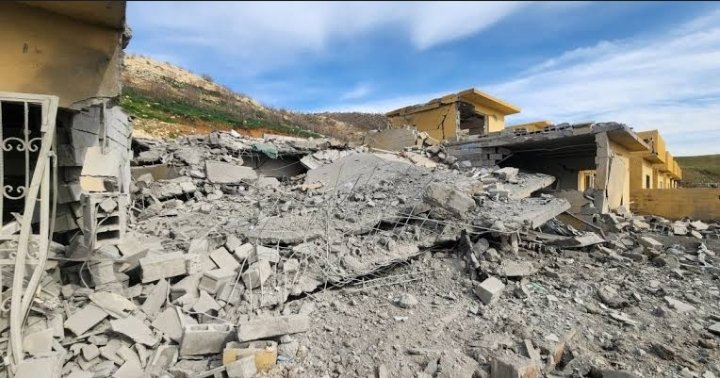

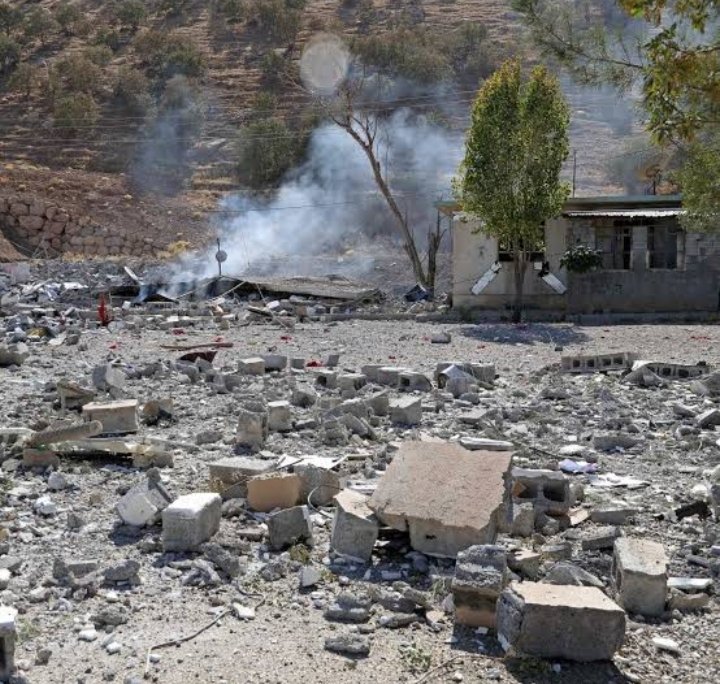

Iranian forces launched drone and missile strikes on bases belonging to exiled Kurdish opposition groups in Iraq’s Kurdistan Region on Wednesday and Thursday, as Tehran seeks to crush potential threats along its western border.
The Islamic Revolutionary Guard Corps (IRGC) targeted headquarters of groups such as the Democratic Party of Iranian Kurdistan (PDKI), Komala of the Toilers of Kurdistan, and the Kurdistan Freedom Party (PAK).
Strikes hit sites in Sulaymaniyah province, including the Zargwez area near Komala’s base, as well as locations in Erbil Governorate around Koya district and Dekala.
Iran’s intelligence ministry described the operations as pre-emptive.
Officials claimed they hit “separatist groups” planning to infiltrate through western borders, inflicting heavy losses.
State media reported that three missiles struck Kurdish opposition headquarters opposed to the Islamic revolution.
Kurdish sources painted a different picture.
PDKI commanders confirmed missile and drone attacks on Camp Azadi in Koya, wounding at least one fighter.
A drone strike on a PDKI-linked arms depot in Dekala injured two others.
One exiled group reported a fighter killed in the assaults.
Opposition spokespeople insisted the attacks would not weaken their resolve; they vowed to press on with preparations for future action.
These strikes form part of a wider escalation.
Since late February, when US and Israeli forces began heavy attacks on Iranian targets, Iran has carried out multiple retaliatory waves across the region.
Reports suggest the CIA, under the current US administration, has explored arming these Kurdish factions to spark internal unrest or support cross-border operations.
Kurdish leaders have held discussions with American officials, and some fighters reportedly moved closer to the border in recent days.
The Kurdistan Regional Government distanced itself from the conflict, stressing that its territory should stay out of the fray.
Local authorities urged federal Iraq to protect the region from violations.
So far, casualties remain limited among the targeted groups, with no widespread reports of civilian deaths in the Iraqi strikes.
However, the exchanges highlight growing risks of the war spilling over borders and drawing in more actors.
As tensions mount, both sides appear locked in a dangerous cycle of action and reaction.