

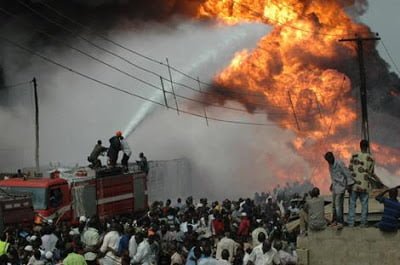

An improvised explosive device detonated in Mubang village, Hong Local Government Area of Adamawa State, on Tuesday, January 14, 2026, sending thick plumes of black smoke into the sky and forcing terrified residents to abandon their farmlands in fear.
The powerful blast, which fortunately claimed no lives according to initial reports, triggered widespread panic among villagers already traumatized by violence.
Residents fled their fields and homes, leaving crops untended in a region where farming sustains survival.
This incident follows a brutal Boko Haram raid on December 29, 2025, when suspected insurgents stormed Mubang and neighboring Zah communities, killing at least 14 civilians, injuring others, and torching houses, food stores, and public buildings.
That attack, the third in under a week during the festive season, left deep scars and sparked urgent calls for humanitarian aid.
Mubang lies perilously close to the notorious Sambisa Forest, a longtime stronghold for Boko Haram and ISWAP factions.
Despite military operations, insurgents continue to exploit the area’s remoteness, planting fear through ambushes, raids, and now explosive devices.
Local leaders have repeatedly urged the National Emergency Management Agency (NEMA), Adamawa State Emergency Management Agency (ADSEMA), and the North East Development Commission to rush in relief supplies—including food, medical aid, clothing, and psychosocial support—to help communities rebuild their lives.
As night falls on January 14, 2026, villagers in Mubang face yet another sleepless night.
The explosion serves as a grim reminder that peace remains fragile in Adamawa’s northern frontier, where every blast and raid pushes ordinary families further into uncertainty and hardship.
Authorities continue to investigate the device while residents pray for lasting security in their battered homeland.