

Ugwu Christiana Chioma, a young graduate from Nimbo community in Uzo-Uwani Local Government Area, watched in despair as cattle belonging to herders devastated her family’s multi-hectare cassava farm, erasing months of hard work and their primary source of livelihood.
Chioma appealed urgently to the Enugu State Government, security agencies, and compassionate Nigerians for help after the incident left the family in financial ruin.
“What you are seeing here was our cassava farm,” she told reporters while pointing to the trampled fields.
“Now it is just a grazing ground for cattle. Nothing is left.”
The family planted the land with cassava and various food crops, investing significant time, labor, and resources.
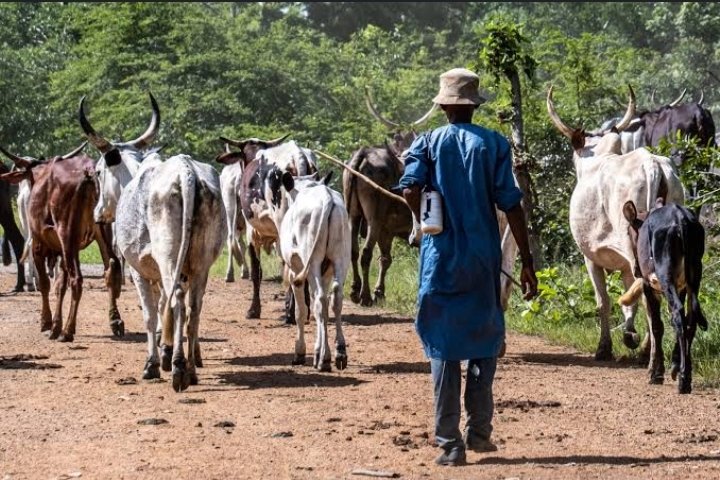
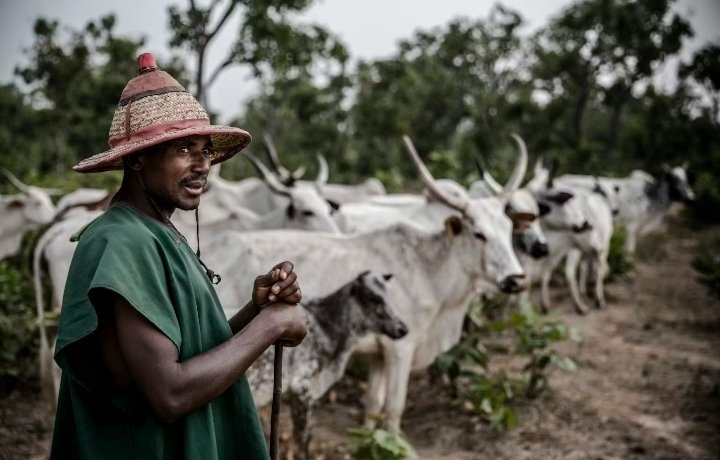
Herders allowed their cattle to roam freely into the cultivated area, where the animals consumed and destroyed the crops.
No injuries occurred, but the loss struck a heavy blow to the household’s food security and income.
This destruction highlights the persistent farmer-herder tensions that plague parts of Nigeria’s southeast and Middle Belt regions.
Communities frequently report similar crop raids, which fuel economic hardship and calls for stricter grazing regulations or enforcement against open herding.
Chioma emphasized the personal toll. “All our hope was on this farm,” she said, her voice breaking with emotion.
Local residents and observers demand swift government intervention, including compensation for affected farmers and measures to prevent future incursions.
The incident, reported widely on January 29, 2026, underscores the human cost of unresolved land and resource conflicts in rural Nigeria.
Authorities have yet to comment publicly on this specific case.