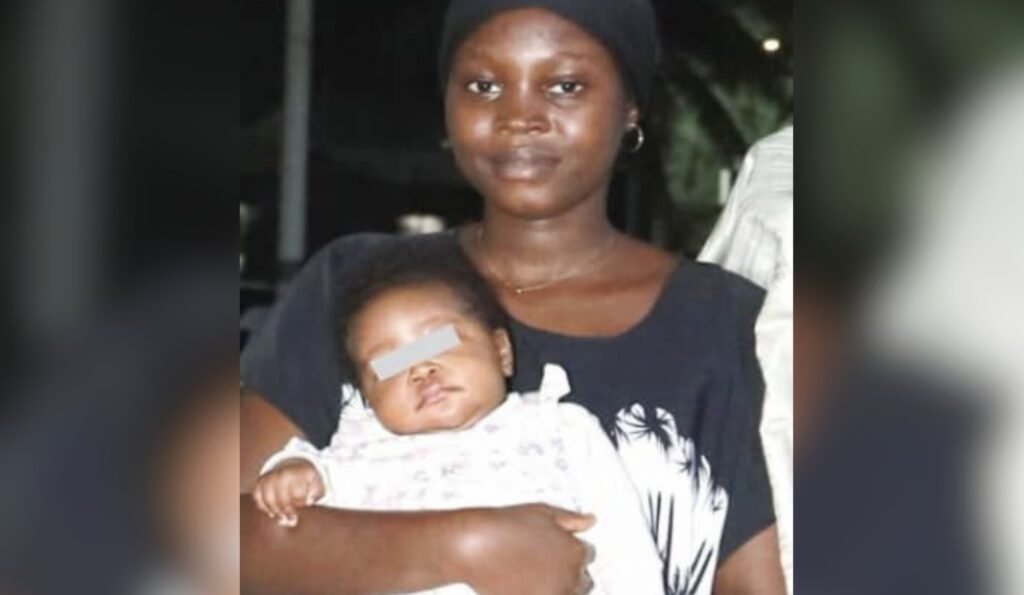

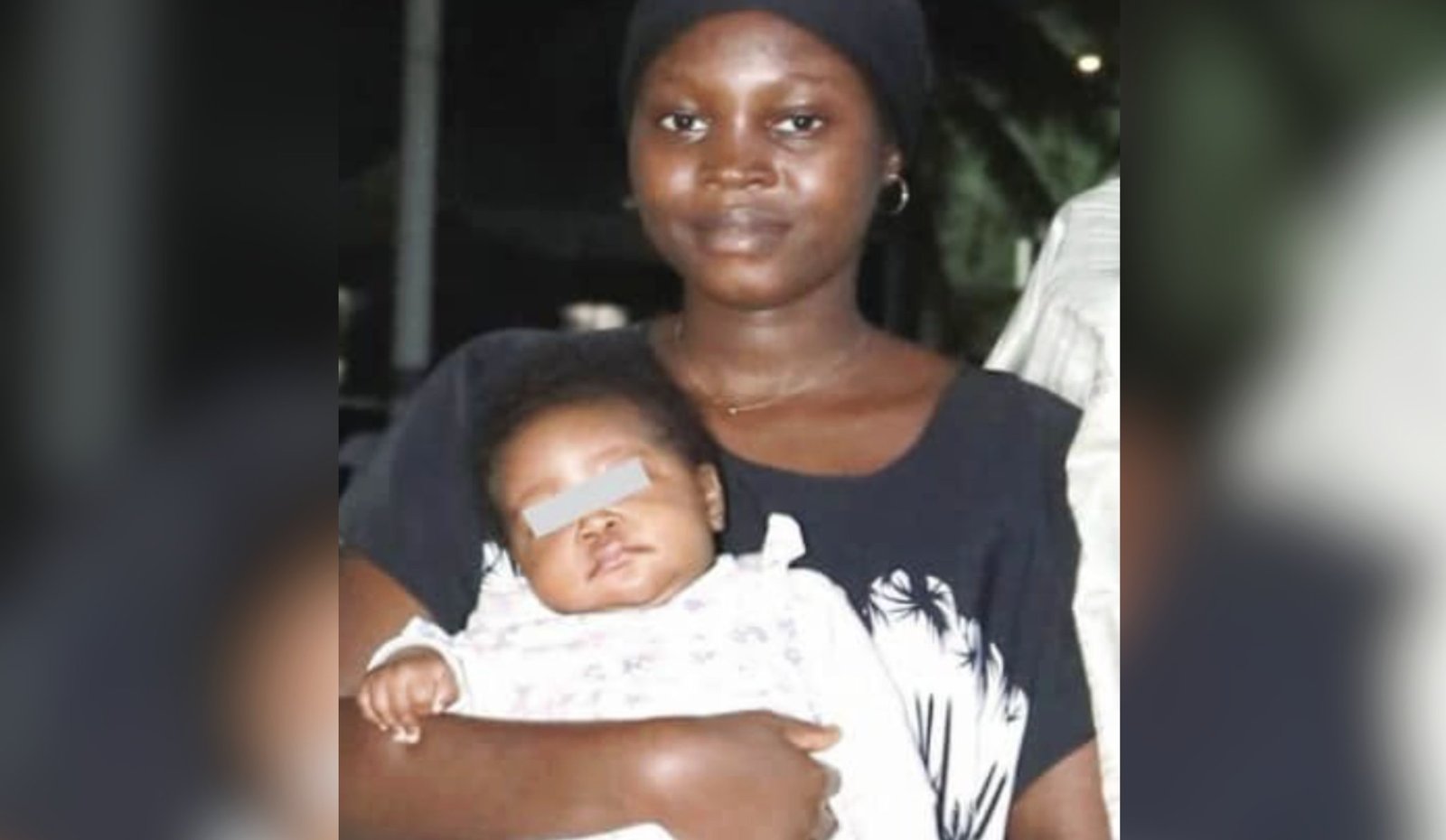

The DSS handed Walida Abdulhadi Ibrahim, allegedly abducted and impregnated by officer Ifeanyi Onyewuenyi, to Governor Umar Namadi amid justice demands.
Governor Umar Namadi personally received Walida and her infant daughter at the DSS headquarters in Abuja late Wednesday night.
He led a delegation including the state assembly speaker, attorney-general, and women affairs commissioner to secure her transfer.
Namadi declared Walida a “daughter of Jigawa State” and vowed that his administration would prioritise her safety, emotional recovery, and overall welfare while courts handle the legal disputes.
Additionally, he assured that the baby, born in November 2025, would remain under state protection until resolutions emerge.
Walida, from Hadejia in Jigawa, vanished in November 2023 at age 16, sparking a desperate family search that ended tragically with her mother’s death from grief.
Her father, Abdulhadi Ibrahim, received a shocking call on January 1, 2026, from Onyewuenyi, who claimed Walida lived with him in Abuja, had given birth, and that he intended to marry her.
Authorities later confirmed Onyewuenyi’s role, leading to his arrest on charges of abduction, rape, and forced religious conversion from Islam to Christianity.
Muslim Rights Concern (MURIC) and other groups rallied for her release, accusing Onyewuenyi of exploiting his position.
They demanded swift prosecution, emphasizing the case’s echoes of the 2015 Ese Oruru abduction.
Meanwhile, the DSS maintained transparency, noting collaboration with state officials and religious bodies like the Nigerian Supreme Council for Islamic Affairs.
Onyewuenyi’s detention followed public outcry amplified on social media, where influencers like Bashir Ahmad corrected media narratives framing the incident as a mere “marriage” rather than abduction.
However, controversies persist.
Some online voices question Walida’s age, citing claims she was 20 and involved voluntarily, possibly due to family issues.
Critics also highlight perceived media biases, arguing outlets downplay Onyewuenyi’s ethnicity and religion while amplifying similar cases with reversed roles.
For instance, one commentator noted, “If the roles were reversed, his picture, tribe, and religion would be plastered everywhere.”
Furthermore, the handover defied a court order for direct family reunion, prompting accusations that the DSS sidestepped accountability by routing through the governor.
Walida’s parents absent from the ceremony fueled further debate, though officials insist the state custody ensures impartiality amid ongoing probes.
As investigations continue, advocates push for full transparency.
Namadi reiterated that courts will decide Onyewuenyi’s fate, ensuring no cover-up.
This development marks a step toward closure for Walida’s family, yet it underscores deeper tensions over institutional power, interfaith relations, and justice in Nigeria.