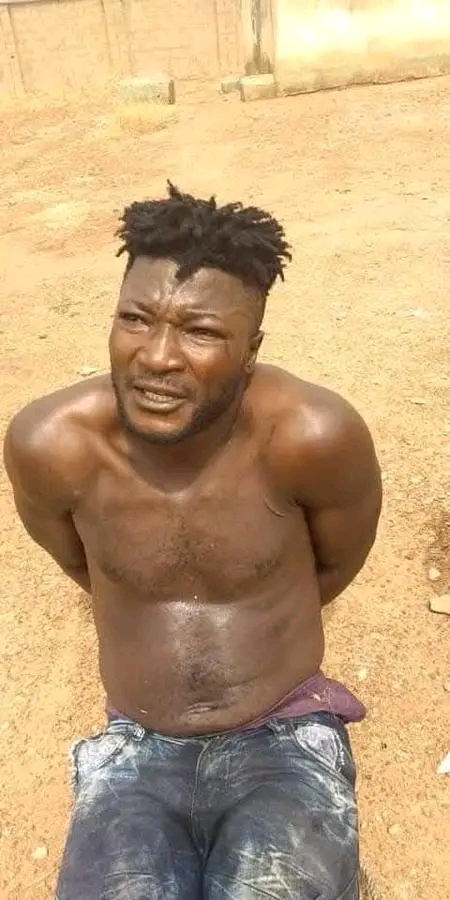

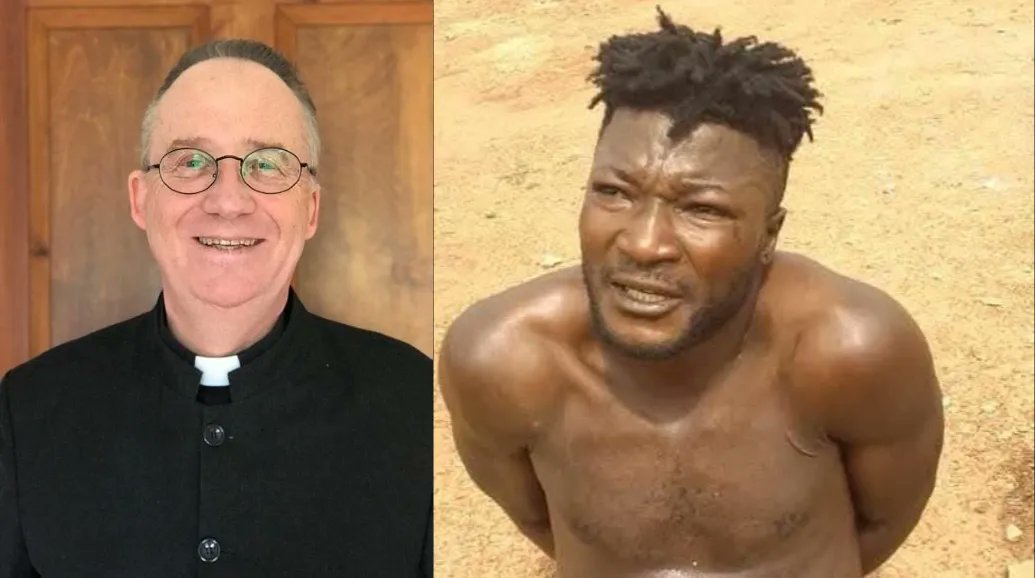

British Catholic Deacon Nick Donnelly urges the immediate release of Victor Solomon Zidane, sentenced to death for defending his community.
Deacon Nick Donnelly, a vocal advocate for persecuted Christians, publicly demanded the freedom of Victor Solomon, popularly known as Zidane, after a Kaduna State High Court sentenced him to death by hanging on January 8, 2026.
Zidane, a leader from the Christian Adara ethnic group in southern Kaduna, Nigeria, killed a Fulani militant in self-defense during violent clashes in 2018, when attackers targeted his community.
Authorities arrested him under the administration of former Kaduna Governor Nasir El-Rufai, charging him with murder despite widespread claims that he acted to protect vulnerable residents amid government inaction.
In his statement shared on social media and amplified by news outlets, Donnelly highlighted stark disparities in Nigeria’s justice system.
He declared, “Victor Solomon, popularly known as Zidane, stood up when his people were under attack.
In the absence of effective security and protection, he acted to defend his community.
To many in Adara land, his actions were not criminal but an act of survival and self-defense.”
Furthermore, Donnelly condemned what he described as systemic bias, asserting that “Islamist terrorists are freed by the government while resistant Christians are sentenced to death, murdered, or driven into concentration camps for defending themselves.”
He implored global audiences to recognize Zidane as “an innocent man sentenced to death for defending his community against Islamist terrorists,” urging international pressure for his release.
The case unfolded amid ongoing ethnic and religious tensions in southern Kaduna, where Fulani herdsmen have clashed with indigenous Christian communities for years.
Reports indicate that such violence has claimed over 50,000 lives since 2009, often with perpetrators escaping accountability.
In Zidane’s trial, courts delivered conflicting verdicts:
One Kaduna High Court acquitted him in 2024, citing self-defense, while another convicted him in 2026, leading to Nigeria’s Supreme Court upholding the death sentence despite allegations of double jeopardy and judicial favoritism toward Islamist groups.
Human rights advocates argue this outcome criminalizes self-protection in regions plagued by insecurity, where state security forces frequently fail to intervene.
Public outrage erupted swiftly on social media platforms like X, where users decried the ruling as emblematic of state-enabled terrorism.
One commenter lamented, “Nigeria is a terrorist country Fulani jihads everywhere working with Nigeria army as repented Boko Haram killing and kidnapping innocent biafras Christians,” reflecting broader frustrations with government policies.
Meanwhile, supporters launched campaigns with hashtags like #FreeZidaneNow, drawing parallels to separatist movements and demanding justice from President Bola Tinubu’s administration.
The Christian Association of Nigeria (CAN) joined the chorus, labeling the sentence a “miscarriage of justice” and calling for a thorough review to address potential external influences on the judiciary.
As appeals continue, Zidane’s family and allies remain hopeful that global scrutiny will prompt intervention.
In addition, international organizations, including Amnesty International, have echoed Donnelly’s plea, emphasizing the need for equitable treatment under the law.
This incident not only spotlights Zidane’s plight but also underscores deeper fractures in Nigeria’s handling of religious conflicts, where self-defense often leads to severe repercussions for minority groups.