
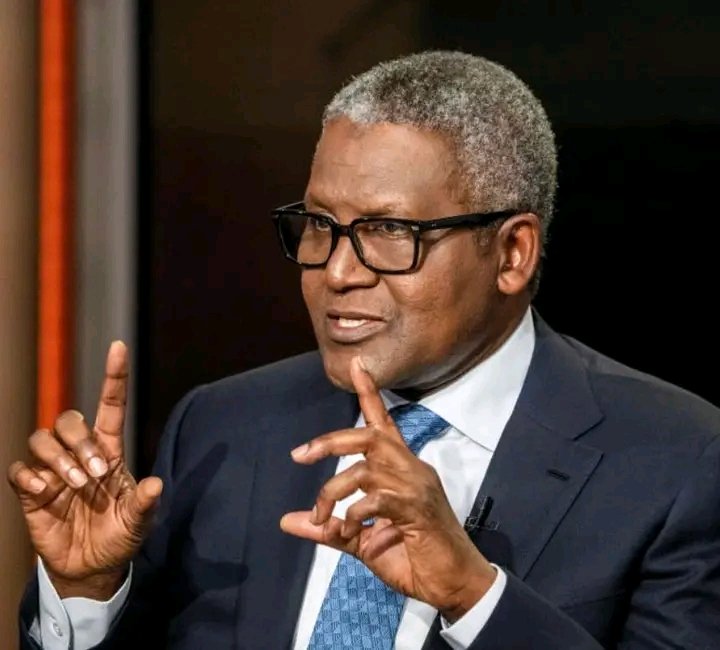

Africa’s richest man, Aliko Dangote, unveiled a groundbreaking ₦100 billion annual scholarship initiative in Lagos on December 11, 2025.
Vice President Kashim Shettima inaugurated the program, hailing it as the largest private-sector education intervention in Nigeria’s history.
Dangote, chairman of the Aliko Dangote Foundation, pledged the funds for a decade-long effort totaling over ₦1 trillion.
The scheme targets financially vulnerable students across all 774 local government areas, starting disbursements in 2026.
It begins with 45,000 beneficiaries in the first year.
Moreover, it scales up to 155,000 annually by year four, ultimately supporting 1.325 million learners.
The initiative focuses on equity and innovation.
For instance, the Aliko Dangote STEM Scholars program awards tuition support to 30,000 undergraduates yearly in science, technology, engineering, and mathematics at public institutions.
Additionally, it prioritizes girls’ education in high out-of-school regions, technical and vocational training, and inclusivity for students with disabilities, reserving 25% of slots for them.
Dangote emphasized education’s role in social mobility.
“Financial hardship, not lack of ability, keeps too many brilliant young Nigerians out of school,” he declared.
Consequently, the foundation partners with agencies like NELFUND, JAMB, and WAEC for transparent, merit-based selection and digital disbursements.
Shettima praised the move, noting it aligns with President Bola Tinubu’s Renewed Hope Agenda.
“Dangote demonstrates that private actors build nations,” he said.
Furthermore, UN Deputy Secretary-General Amina Mohammed highlighted the program’s potential to empower girls and boost skills.
Lagos Governor Babajide Sanwo-Olu, speaking for state leaders, committed to collaboration.
Meanwhile, NELFUND’s Akintunde Sawyerr welcomed the scheme for widening financing access.
Dangote anchors sustainability by dedicating 25% of his wealth to the foundation.
This historic philanthropy, observers say, transforms lives and strengthens Nigeria’s human capital for generations.