

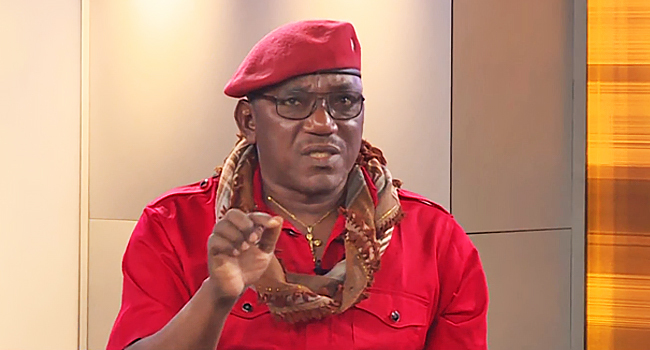

Former Sports Minister Solomon Dalung sharply criticizes Nigeria’s 2023 fuel subsidy removal, declaring it has yielded only deepened poverty, rampant inflation, and worsening insecurity.
Dalung, speaking on Channels Television, insists the policy delivers no tangible benefits while the government fails to account for billions in saved funds.
“Nigerians swallowed the promise hoping for relief,” Dalung says.
“Instead, nothing has emerged except poverty, hunger, inflation, and insecurity.”
He accuses Bola Tinubu’s administration of mishandling the abrupt announcement, made on inauguration day without a full government in place.
Meanwhile, economic data underscores Dalung’s claims.
The World Bank reports 139 million Nigerians live in poverty in 2025, up from 81 million in 2019, as reforms drive up living costs.
Yet inflation eases to 14.45% in November 2025, the lowest in over three years, according to the National Bureau of Statistics.
Food prices, however, remain stubbornly high amid ongoing hardship.
Furthermore, the United Nations World Food Programme warns nearly 35 million Nigerians face acute hunger in 2026, fueled by conflict, climate shocks, and economic pressures.
In the northeast and northwest, terrorism and insurgency displace millions, destroying farms and exacerbating food shortages.
Human Rights Watch describes Nigeria’s situation as its worst cost-of-living crisis in decades, with inadequate social protections leaving vulnerable families struggling.
Critics like Dalung demand transparency on subsidy savings and better palliatives.
Supporters argue long-term gains from reforms will eventually stabilize the economy.
Nevertheless, millions of Nigerians continue to endure daily hardships, queuing for essentials and grappling with eroded purchasing power two years after the policy shift.