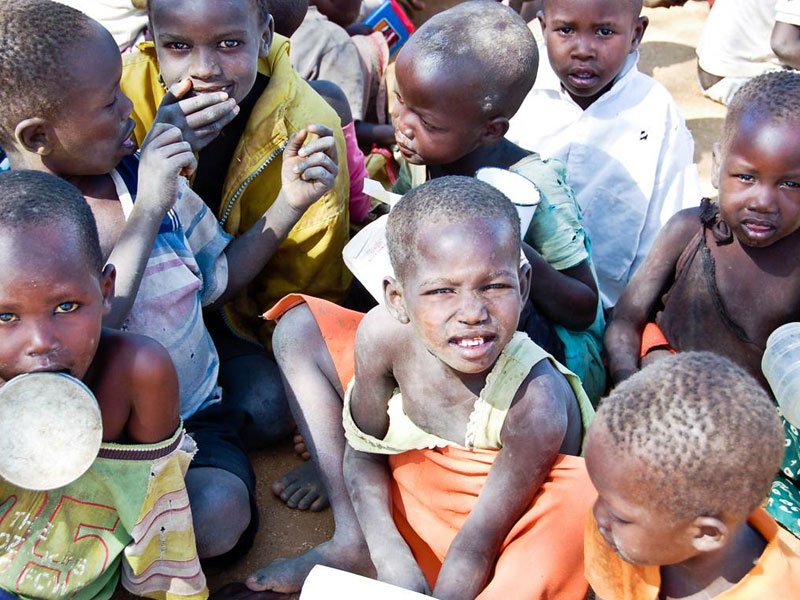


Kaduna State officials treated 30,089 children for severe acute malnutrition across all 23 local government areas this year, highlighting both progress and the urgent need for more action amid Nigeria’s deepening hunger crisis.
Kaduna State government leaders actively mobilized resources and partnerships to combat child malnutrition throughout 2025, achieving a significant milestone by treating thousands of vulnerable kids.
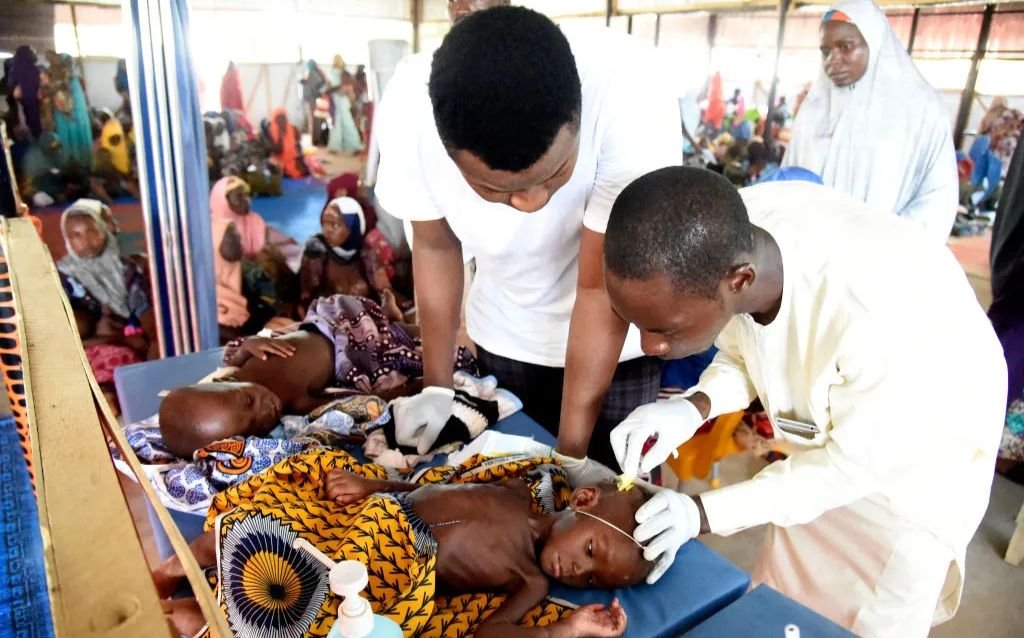
Specifically, the state’s Integrated Management of Acute Malnutrition (IMAM) services admitted 60,193 children with severe acute malnutrition (SAM) and successfully rehabilitated 30,089 of them through early screenings, specialized centers, and community outreach programs.
However, this effort underscores the persistent challenges, as the state still grapples with a 40.7% stunting rate among children, down from 48.1% but higher than desired levels.
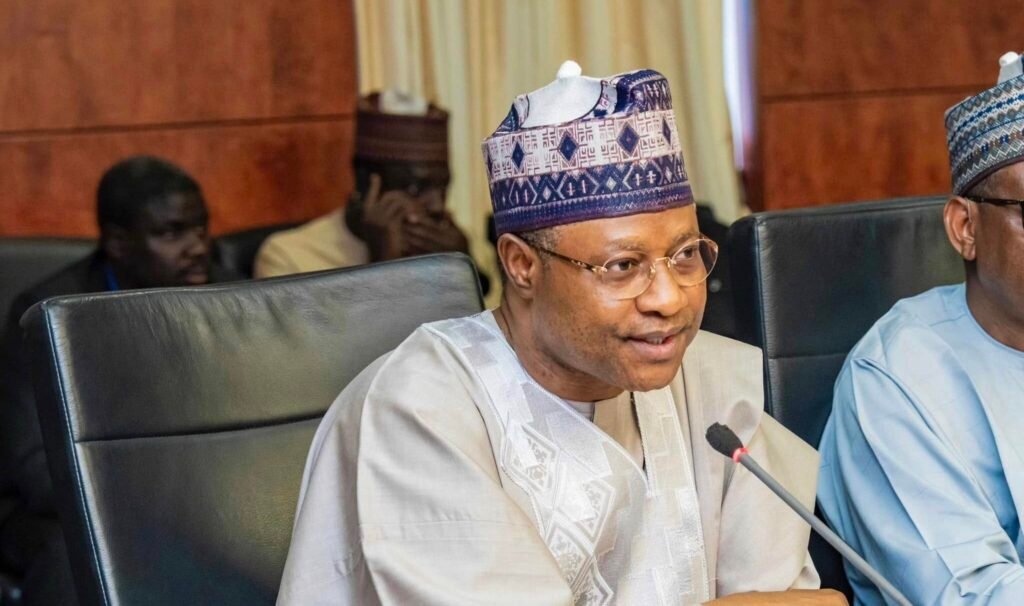
State Nutrition Officer Ramatu Musa, represented by Jibril Isah, announced these results during a high-level meeting focused on strengthening grassroots advocacy.
“The Kaduna State Government has successfully treated 30,089 children across all the 23 local government areas in the state for Severe Acute Malnutrition (SAM) in 2025,” Isah declared, emphasizing the role of regular screenings and therapeutic foods like Ready-to-Use Therapeutic Food (RUTF).
Moreover, the state allocated N1.1 billion to malnutrition interventions, aiming to prevent child deaths from preventable causes.
Health Commissioner Umma Ahmed reinforced this commitment, stating, “Local governments are critical to addressing malnutrition,” and called for greater accountability at the community level.
Partnerships played a key role in these achievements.
For instance, Kaduna collaborated with UNICEF to launch RUTF distribution in November 2025, which helped reduce hospital stays and boosted recovery rates.
Additionally, organizations like ALIMA admitted 3,822 children for treatment during the peak season, providing lifesaving nutrition support.
Governor Uba Sani’s wife, Hafsat Uba-Sani, pledged ongoing support, assuring stakeholders of continued advocacy and collaboration to enhance women’s and children’s wellbeing.
Civil Society Scaling Up Nutrition in Nigeria (CS-SUNN) Coordinator Jessica Bartholomew praised the state’s efforts, noting that Kaduna mobilized over N2.9 billion in blended financing from 2023 to 2025 through strong leadership and partner alignment.
Yet, experts warn that these successes mask deeper issues.
Wasting rates in Kaduna rose to 5.9% and underweight to 24.7%, signaling a worsening trend.
Nationally, Nigeria faces a severe malnutrition emergency, with nearly 6.4 million children under five suffering from acute malnutrition through September 2025, according to the Integrated Food Security Phase Classification (IPC).
UNICEF reports that by mid-2025, it treated 340,000 children for SAM, but projections indicate up to 1.8 million cases in northern regions alone, driven by food insecurity, conflict, and climate shocks affecting 33 million people.
In the northeast and northwest, 5.4 million children endure malnutrition, with 1.8 million at risk of death without intervention.
To address these gaps, Kaduna plans to expand IMAM services, which currently cover only 64% of wards, and enhance community steering committees with technical support and performance reviews.
Furthermore, leaders urge communities to prevent diversion of supplies and promote breastfeeding and proper nutrition practices.
As Youth Development Commissioner Gloria Ibrahim put it, “The fight against malnutrition is a collective responsibility,” calling for revived caregiving values to safeguard children.
Ultimately, while Kaduna leads in the North-west with declining stunting, the state and nation must intensify efforts to secure dedicated funding and scale interventions, ensuring no child succumbs to this preventable crisis.