

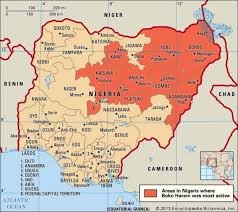
As violent attacks continue to spread across Nigeria, civil society organizations are appealing for global partnerships to help tackle the country’s deepening security crisis — now one of the most complex humanitarian emergencies in Africa.
At a roundtable in Abuja, peace advocates and policy experts urged international donors, regional blocs, and humanitarian agencies to strengthen cooperation with Nigeria. The event, organized by a coalition of advocacy groups, focused on the ripple effects of insecurity — from mass displacement to rising poverty and food shortages.
“Nigeria cannot do this alone,” said one participant. “The crisis now touches every sector of our society — from education to healthcare — and it’s threatening national unity.”
Communities in northern and central Nigeria have endured years of bandit attacks, insurgency, and communal conflict. Thousands have been killed or abducted, while farmers abandon fields, worsening hunger and unemployment. Women and children bear the brunt of these conflicts, often facing displacement and trauma with limited support.
Analysts argue that global cooperation must go beyond security aid to include investment in peacebuilding, education, and climate resilience — the underlying factors driving unrest.
Nigeria’s people deserve not just safety, but a future built on justice, opportunity, and shared humanity.