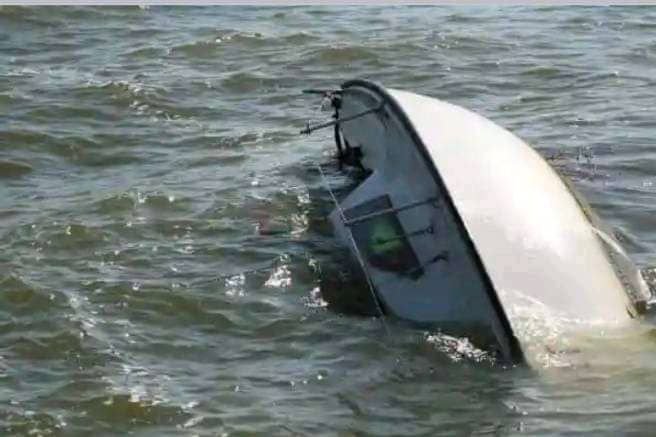

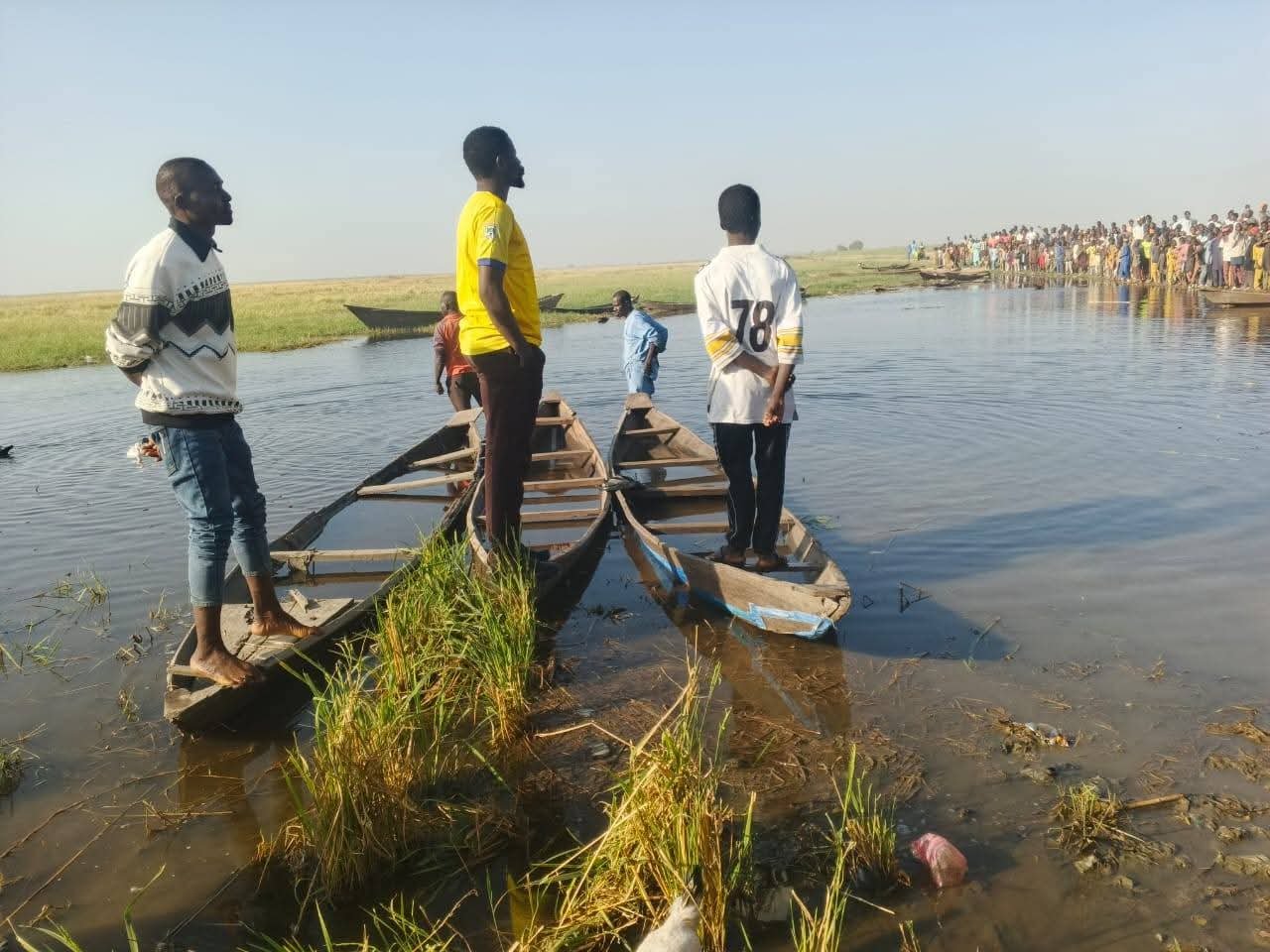

A devastating boat accident struck the Yobe River on January 3, 2026, claiming the lives of 29 passengers and leaving eight others still missing as of Sunday afternoon.
Rescue teams continue their urgent search along the waterway near Garbi town in Nguru Local Government Area.
The canoe, carrying 52 people, departed from Adiyani town in Jigawa State’s Guri Local Government Area and headed toward Garbi in Yobe State.
Many passengers — including market traders, fishermen, and farmers — relied on this route as their primary means of affordable transport across the river.
The vessel capsized around 7:48 p.m. due to suspected overloading, a common and deadly factor in Nigeria’s inland waterways.
Emergency responders from the Yobe State Emergency Management Agency (SEMA) swiftly mobilized, working alongside local divers, community volunteers, and teams from the National Emergency Management Agency (NEMA).
Initial reports confirmed 13 survivors and 25 deaths on Sunday morning.
Throughout the day, recovery teams pulled four more bodies from the river, pushing the toll to 29.
Authorities identified 24 victims from Nguru LGA, two from Yusufari LGA in Yobe, and three from Gurin LGA in Jigawa.
Yobe State Governor Mai Mala Buni expressed profound grief over the “monumental loss” and directed SEMA to provide immediate medical care, logistical support, and assistance to grieving families.
NEMA Director-General Zubaida Umar activated emergency teams from Maiduguri and appealed to riverine communities to avoid overloading boats and always use life jackets.
This heartbreaking incident highlights a persistent crisis in Nigeria’s water transport system.
Hundreds die each year in similar accidents caused by overcrowding, lack of safety equipment, and inadequate regulation.
Authorities now intensify efforts to prevent future tragedies while families endure agonizing waits for news of the missing.
Search operations persist, and communities across Yobe and Jigawa mourn the victims of this preventable disaster.